Creatas Images/Creatas/Getty Images
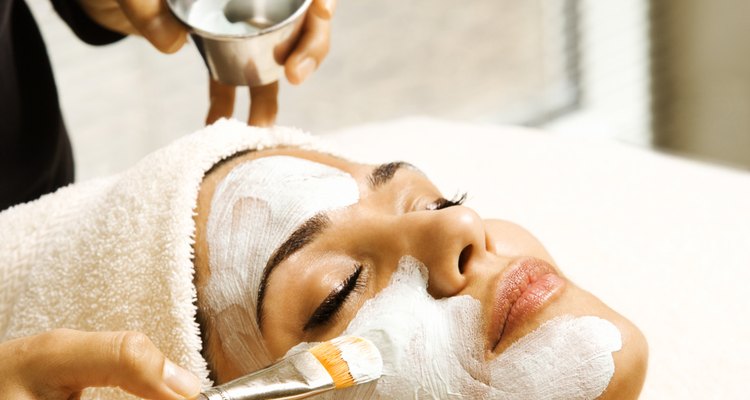
Yogurt, oatmeal, honey and lemon sound like an ideal breakfast. In fact, they are ideal ingredients to begin a natural beauty regime. Independently, the ingredients have cleansing, astringent, antioxidant and hydrating properties; together, they work to exfoliate and moisturize. For maximum benefit, blend all four into a paste.
Yogurt
Yogurt banishes dull, dry skin courtesy of its natural moisturizing properties. It also has exfoliating properties. Lactic acid (a chemical compound) is abundant in yogurt. The lactic acid in yogurt acts as a natural exfoliant, which, combined with its ability to naturally hydrate, makes yogurt an ideal ingredient for face masks. It is rich in the mineral zinc, which helps prevent and reduce acne. The astringent properties help shrink pores. The anti-inflammatory properties help reduce redness and swelling associated with sunburn.
Honey
Extremely dry skin will benefit from honey's moisturizing properties. An anti-inflammatory, it soothes irritated skin. A natural disinfectant, honey is particularly well-suited to acne-prone skin. When honey is added to face masks, the wearer will benefit from its antioxidant properties. Honey helps neutralize the free radicals that damage healthy skin cells and cause signs of aging. After applying a honey face mask, softer, more supple skin will be evident.
Oatmeal
A natural cleanser, oatmeal helps open pores and thoroughly clean the skin. Oatmeal is a physical exfoliatant. When added to a face mask, the grains help slough off old, dead skin cells. It is an anti-inflammatory, helping to reduce redness and irritation. Face masks that include oatmeal as an ingredient will help sunburned skin recover. Blending oatmeal with yogurt will compound their exfoliating properties. Oily skin will benefit from its ability to absorb excess oil.
Lemon
The addition of lemon to a face mask is ideal for skin with slight discoloration due to sun damage. Age spots will benefit from lemon's bleaching properties. Dark circles under the eyes will also be less pronounced after a lemon treatment. For convenience, add lemon juice to a yogurt base. Combining the ingredients will enhance the properties of each. For an extra boost of exfoliation, use ground, dried lemon peels. The resulting skin will be bright and dewy.
Related Articles
Turmeric, Lemon & Honey
How to Make a Thermoherb Mask at Home
Papaya & Acne
Avocado Masks for All Skin Types

How to Exfoliate the Face With Honey
Homemade Facials to Clear Blemishes
Homemade Anti-Aging Facial Scrub

Skin Benefits of Using Peach Kernel Oil

Benefits of Shea Butter and Coconut Oil ...
How to Get Rid of Flaky Skin Due to ...
DIY Reusable Facial Mask (Free ...
How to Remove Dry Skin on the Face
Can You Reduce Age Spots With Yogurt?
How to Use Kelp on Your Face to Tighten ...
How to Use Cucumber Juice as a ...

How to Get Rid of Pimples After Eyebrow ...
Will Cream of Tartar Whiten Teeth?
Homemade Face Masks for Glowing Skin

What Are the Ingredients in Proactiv?
How to Bleach a Mustache With Honey & ...
References
Writer Bio
Based in New York City, Melissa McKee has been writing lifestyle articles since 2009. Her articles have appeared on various women's lifestyle websites. McKee studied writing in The Len and Louise Riggio Honors Program at The New School.
Photo Credits
Creatas Images/Creatas/Getty Images