List of Healthy Dairy Products

List of Healthy Dairy Products
Photo Credit Stockbyte/Stockbyte/Getty Images

Dairy products provide your body with protein, calcium, phosphorus, magnesium, potassium and vitamins A, D, B-2 and B-12. Milk is a source of whole protein, providing your body with all of the essential amino acids. The U.S. Department of Health and Human Services and the U.S. Department of Agriculture's "Dietary Guidelines for Americans" recommends three cup-equivalent servings of dairy products per day for adults and children older than age 8.

Skim and Low-Fat Milk

Skim and low-fat milk provide the beneficial nutrients of whole milk without adding excessive amounts of fat, cholesterol and calories to your diet. Skim and low-fat milk --- also known as 1 percent milk --- contain 8 g of protein per cup, according to the USDA. Compared to whole milk, which contains 8 g of fat per cup, low-fat and skim milk contain 2.3 g and 0.2 g of fat per cup, respectively. Low-fat milk has 50 percent less cholesterol than whole milk, with 12 mg per cup. Skim milk has about 80 percent less cholesterol than whole milk, with 5 mg per cup. Skim and low-fat milk contain significantly few calories than whole milk. One cup of skim, low-fat and whole milk contain 83 calories, 102 calories and 149 calories, respectively.

Most people do not consume the recommended daily servings of dairy products, according to the "Dietary Guidelines for Americans." Drinking a glass of milk with a meal or having milk for an afternoon snack can significantly increase your daily calcium and vitamin D intake. One cup of skim or low-fat milk provides you with approximately 300 mg of calcium and 3 mcg of vitamin D.

Nonfat and Low-Fat Yogurt

Bacteria, such as Lactobacillus bulgaricus and Streptococcus thermophilus, ferment milk to form yogurt. Nonfat and low-fat yogurts are rich sources of whole protein, with approximately 13 g to 14 g per cup, reports the USDA. Yogurt is also a good source of calcium, phosphorus and magnesium, which you need to maintain strong bones. Unlike milk, yogurt does not usually contain added vitamin D.

Many brands of yogurt contain active, live cultures of Lactobacillus and other fermenting bacteria. These bacteria survive in the intestines and may help protect against overgrowth of disease-causing bacteria in the gut, reports "The American Journal of Clinical Nutrition." Some manufacturers' processing of yogurt kills the fermenting bacteria. Look for the words "active, live cultures" on the label to get yogurt with probiotic effects.

Nonfat and Low-Fat Cheese

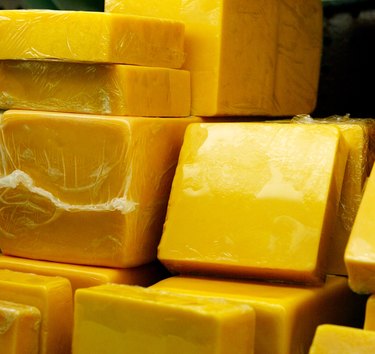
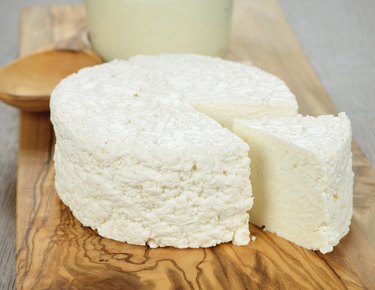
Nonfat and low-fat varieties of cheese provide you with the protein and minerals of dairy products with a reduced amount of fat and calories. The specific amounts of nutrients vary among the many different types of cheese, as does the cup-equivalent serving size. For example, 1 1/2 oz. of hard cheese, such as Swiss or cheddar, is equivalent to 1 cup of milk. Check the nutritional information on the package of cheese to find out the fat, protein and calcium content. Nonfat and low-fat cheese are flavorful sources of healthy dairy nutrients.

References

Article reviewed by J.A. Rist Last updated on: Mar 30, 2011

Must see: Photo Galleries

Member Comments