If you have high cholesterol, improving your diet and exercise routine can likely help reduce it. But just how long does it take to lower cholesterol, and what can you do to bring that number down?
Tip
You should start to see levels of bad cholesterol lower within about six months of making healthy lifestyle changes like improving your diet and exercising.
Video of the Day
What Is Cholesterol?
Cholesterol is a waxy substance our bodies use to build cells and make vitamins and hormones, per the American Heart Association (AHA). Your liver produces all the cholesterol you need to function, but you can also get additional cholesterol from animal foods like meat and dairy, according to the AHA.
Video of the Day
Cholesterol itself isn't all bad. In fact, high-density lipoprotein (HDL), or "good" cholesterol, helps keep "bad" cholesterol in check, according to the AHA.
But low-density lipoprotein (LDL), the bad cholesterol, contributes to plaque buildup in your arteries. These deposits can lead to heart attack, stroke and heart disease, per the AHA.
The same goes for high levels of triglycerides, which are similar fatty substances that circulate through your blood and can clog your arteries, per the Mayo Clinic.
Tip
According to the National Heart, Lung, and Blood Institute (NHLBI):
- Healthy total cholesterol: Less than 200 mg/dL
- High total cholesterol: 240 mg/dL and above
- Healthy LDL (bad) cholesterol: Less than 100 mg/dL
- High LDL (bad) cholesterol: 160 mg/dL and above
- Healthy triglycerides: Less than 150 mg/dL
- High triglycerides: 200 mg/dL and above
How Long Does It Take to Reduce Cholesterol Levels?
How long it takes to lower your cholesterol can vary, but changing your numbers over a six-month time period is a realistic goal, Grace Derocha, RD, CDE, a registered dietitian and certified diabetes educator at Blue Cross Blue Shield of Michigan, tells LIVESTRONG.com.
Why? Six months gives your body time to process excess cholesterol and for you to form healthy habits that can help lower and prevent high cholesterol, she says.
How to Lower Cholesterol Levels
Fortunately, there are certain lifestyle changes you can make that may help reduce high cholesterol and keep it in check.
1. Choose a Heart-Healthy Diet
One major factor that affects how quickly you lower your cholesterol is what you eat, so crafting a heart-healthy diet can help you reach your goals.
One must-have nutrient in a low-cholesterol diet? Omega-3 fatty acids. These healthy fats can help raise your good cholesterol levels, according to the Cleveland Clinic. They can also help lower your triglycerides, per the Mayo Clinic.
Foods rich in omega-3s include:
- Non-fried fatty fish like salmon, albacore tuna and mackerel (The AHA advises eating 8 ounces of fish per week.)
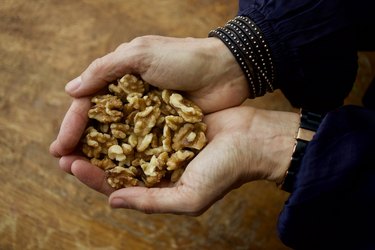
- Walnuts
- Almonds
- Flaxseeds
Soluble fiber is another crucial nutrient when it comes to lowering LDL cholesterol, according to the Mayo Clinic. But most Americans don't get the U.S. Department of Agriculture-recommended 25 to 38 grams of total fiber (soluble and insoluble) they should be eating every day, Derocha says.
Up your intake with the following high-fiber foods, per the Mayo Clinic — just remember to drink plenty of water to avoid constipation as you work them into your diet, Derocha advises.
- Whole grains like oatmeal, bran or quinoa
- Fruits
- Vegetables
- Legumes, nuts and seeds
2. Cut the Sugar
Eating too many simple sugars, like added sugars and those found in refined grains, can contribute to higher cholesterol and triglycerides, Derocha says.
Replacing those sugars with more fruits, vegetables, beans and nuts will help your bad cholesterol and triglyceride levels go down and good cholesterol go up, according to the Cleveland Clinic. Just be sure to moderate your intake of high-sugar options like dried fruit, per the Cleveland Clinic.
Tip
The AHA recommends limiting your added sugar intake to 25 grams per day if you're a person assigned female at birth and 36 grams per day if you're a person assigned male at birth.
3. Forgo Certain Fats
Trans and saturated fats in foods like red meat, shortening, some dairy products and processed food can elevate cholesterol levels, per the Mayo Clinic.
Opt for leaner cuts of meat and unsaturated fats like peanut oil, olive oil and avocado instead.
Skipping processed products high in trans fat like fast food and commercially prepared baked goods is another way to cut some bad cholesterol out of your diet, according to the Mayo Clinic.
4. Exercise
Adding regular activity to your daily routine can also help lower LDL and triglycerides and raise HDL, per the NHLBI.
The U.S. Department of Health and Human Services (HHS) recommends 150 minutes of moderate exercise like walking, biking or gardening, or 75 minutes of vigorous exercise like jogging, swimming or hiking uphill per week.
Not only does exercise help with healthy weight maintenance — and ultimately cholesterol improvements — but cardio and strength training can also improve muscle mass, support metabolic health and provide a host of other benefits, according to the HHS.
5. Get to a Healthy Weight
Weight loss from a healthy diet and exercise can potentially help lower high cholesterol. If you have overweight or obesity, losing just 3 to 5 percent of your body weight can help lower LDL and raise HDL cholesterol, according to the NHLBI.
For instance, if you weigh 200 pounds, then a 5 percent weight loss is 10 pounds. Derocha says aiming to lose that amount over six months is a very realistic goal.
6. Consider Supplements
If your regular diet can't incorporate all that's needed to reduce bad cholesterol and raise good cholesterol — this may be the case if you have food allergies, for instance — then talk to your doctor or a registered dietitian about fish oil or fiber supplements, Derocha says.
These two supplements can help fill in the gaps that food would otherwise meet. But Derocha says it's healthier to stick to real food before turning to supplements.
And remember, the FDA does not require supplements to be proven safe or effective before they are sold, so there's no guarantee that any supplement you take is safe, contains the ingredients it says it does or produces the effects it claims.
- American Heart Association: “How can I improve my cholesterol?”
- Mayo Clinic: “Cholesterol: Top Foods to Improve Your Numbers”
- National Heart, Lung, and Blood Institute: “High Blood Cholesterol”
- Mayo Clinic: "Triglycerides: Why do they matter?"
- American Heart Association: “What is Cholesterol?"
- American Heart Association: “HDL (Good), LDL (Bad) Cholesterol and Triglycerides"
- Cleveland Clinic: "Omega-3 Fatty Acids"
- U.S. Department of Agriculture: "Online Nutrition Resources at Your Fingertips"
- Cleveland Clinic: "Why a Sweet Tooth Spells Trouble for Your Heart"
- Cleveland Clinic: "Triglycerides & Heart Health"
- American Heart Association: “Added Sugars"
- Mayo Clinic: "Dietary fat: Know which to choose"
- Mayo Clinic: "Trans fat is double trouble for your heart health"
- U.S. Department of Health and Human Services: "Physical Activity Guidelines for Americans"
- National Heart, Lung, and Blood Institute: "High Blood Cholesterol: What you need to know"
- U.S. Food and Drug Administration: "FDA 101: Dietary Supplements"
Is this an emergency? If you are experiencing serious medical symptoms, please see the National Library of Medicine’s list of signs you need emergency medical attention or call 911.