If you're recovering from surgery or treatment on your digestive tract or have a condition like inflammatory bowel disease (IBD), your doctor may recommend a low-residue diet menu. This is an eating plan that's low in fiber, which reduces strain on your digestive system so it can heal.
Fiber is a nutrient that your body can't break down, and it's found in fruits, vegetables and grains, according to the Mayo Clinic. If your digestive system is functioning well, fiber is an essential nutrient that promotes good digestion. But if your GI tract is compromised, too much fiber can lead to irritation.
Video of the Day
Video of the Day
Luckily, following a fiber-restricted diet can help. A typical low-residue, low-fiber diet contains 10 to 15 grams of fiber per day (for those without digestive concerns, the 2020-2025 Dietary Guidelines for Americans recommended 22 to 34 grams per day), per the U.S. National Library of Medicine (NLM).
Here's a sample low-residue diet menu to try, including low-residue recipes and low-fiber snacks to enjoy.
What Can You Eat on a Low-Fiber Diet?
Per the NLM, the best foods to eat on a low-fiber diet include low-residue foods like:
- Dairy products like milk and yogurt
- Refined grains like white bread and pasta
- Certain low-fiber fruits and veggies, like bananas and lettuce
- Meat
- Fish
- Eggs
- Tofu
- Nut butter
- Oils
Breakfast
Kick off your day with a low-residue meal that fuels you while also going easy on the fiber. According to the Mayo Clinic, here are some foods to munch on in the morning:
- Cornflakes with milk
- White toast with smooth peanut butter
- Fruit juice (as long as it doesn't contain pulp, according to the NLM)
- Eggs, prepared your favorite way
- Yogurt with skinless and seedless low-fiber fruit
You can also try one of these low-residue diet recipes:
- Easy Breakfast Casserole
- Simple Tofu Scramble
- French Toast with Yogurt (just swap the wheat bread for white bread)
Tip
Only follow a low-residue diet if your doctor recommends it, according to the NLM. These low-fiber diet menu examples can be restrictive, so work with a medical professional to make sure your nutritional needs are being met.
Lunch
Lunch is a great time to load up on nutrients like protein and beneficial fats while still keeping your fiber intake low. According to the Mayo Clinic, here's some inspiration for your midday meal:
- Turkey or chicken sandwich on white bread with mayonnaise and shredded lettuce
- Smooth peanut butter sandwich on white bread
- Tomato soup (as long as it doesn't contain pulp, seeds or skin)
- Fish with white rice and low-fiber vegetables
- White pasta with shrimp
For more specific soft, low-residue diet recipes, try:
- Oven Baked Cod
- Simple Egg Salad (try it on a bed of lettuce, white bread or white crackers)
- The Best Turkey Burger
Can You Eat Lettuce With Crohn's Disease?
If you have a form of IBD called Crohn's disease, you may benefit from eating foods that are low in fiber. And according to the NLM, small quantities of shredded lettuce are typically OK to eat. However, talk to your doctor to settle on a diet plan that works best for you and your symptoms.
Dinner
Though a low-residue diet can be restrictive, there are still a number of options for your evening meal. According to the Mayo Clinic, you could eat:
- Meat loaf
- Mashed potatoes with butter
- Cooked low-fiber vegetables
- Fish or seafood
- White rice or pasta with tofu
Here are additional recipes to include in your low-residue diet menu:
Snacks
There's no reason to skimp on snacks in between meals just because you're sticking to a low-residue diet. Try one of these suggestions from the Mayo Clinic and the NLM:
- Yogurt
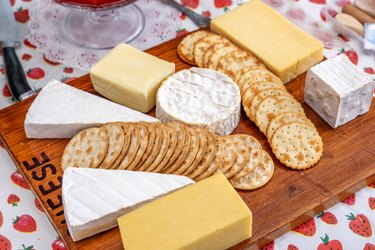
- Slices of cheese on white crackers
- Applesauce
- Pudding
- Cottage cheese
Other good snack foods for a low-fiber diet include:
Snacks for Crohn's Disease
If you're following a low-fiber diet because you have Crohn's disease, these low-residue diet menu snacks should all be safe for you to eat, according to the Mayo Clinic and the NLM. That said, it's always best to talk to your doctor to determine the best eating plan for you.
- U.S. National Library of Medicine: "Low-fiber diet"
- Mayo Clinic: "Low-fiber diet do's and don'ts"
- U.S. Department of Agriculture and U.S. Department of Health and Human Services: "2020-2025 Dietary Guidelines for Americans"
- The Wholesome Dish: "Easy Breakfast Casserole"
- Eating Bird Food: "Simple Tofu Scramble"
- Tastes Better from Scratch: "Easy French Toast"
- Feel Good Foodie: "Oven Baked Cod"
- Salt and Lavender: "Simple Egg Salad"
- Eating Bird Food: "The Best Turkey Burger"
- A Beautiful Plate: "Seared Scallops with Hummus and Fennel Salad"
- Feel Good Foodie: "Chicken Parmesan"
- Little Sunny Kitchen: "Easy Tandoori Salmon Kebabs"
- Eating Bird Food: "Peanut Butter Greek Yogurt Frosting"
- Sweet Vegan Sara: "Vegan 3 Ingredient Pancakes and Waffles"
- Feel Good Foodie: "Homemade Ranch Dip"