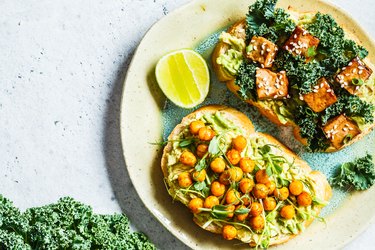
Bones are an incredible part of the human anatomy, and the foods you eat can affect their strength and structure.
"Your bones are alive. Every day, your body breaks down old bone and puts new bone in its place," says Misti Gueron, RDN, CDE, a Los Angeles-based medical nutrition therapist.
Video of the Day
Video of the Day
"Your bones hold your largest reservoir of calcium, and your blood also requires calcium to regulate muscle contraction. What you miss from your diet may be withdrawn from your bones," she says.
Many people reach their peak bone mass around age 30 — and after that, you lose slightly more bone mass than you gain each year. The higher your peak bone mass is, the less likely you are to develop osteoporosis as you age, according to the National Institute of Arthritis and Musculoskeletal and Skin Diseases.
But no matter your age, making a few dietary changes may improve your overall bone health and enhance your skeletal structure for the rest of your life.
The Best Foods for Bone Health
As you get older, eating more of the foods on this list may help keep your bones strong thanks to the nutrients in them.
1. Sardines
When it comes to building bone strength, fish might not be the first food you think of; But the tiny, under-appreciated sardine is a powerhouse of bone-building nutrition.
"Canned sardines contain small, edible bones that provide calcium, plus vitamin D for enhanced absorption," says Caroline Kaufman, RDN, a nutrition expert in New York City. A 3.75-ounce can of sardines has about 27 percent of your daily value of calcium and 22 percent of your daily value of vitamin D.
The healthy fats in sardines may also benefit your bones. In fact, eating omega-3 fatty acids (found in fatty fish like sardines) has been associated with higher bone density, according to an October 2017 study in Osteoporosis International.
Kaufman recommends trying sardines on an open-faced rye bread sandwich with spicy mustard and a spritz of fresh lemon juice and chopped tomato. Or, simply spread fork-mashed sardines on whole-grain crackers.
2. Leafy Green Vegetables
All leafy greens — like bok choy, arugula, spinach, romaine, collard greens and watercress — contain specific nutrients important for bone health.
"Most of us know that calcium and vitamin D are important for bone health, but bone formation relies heavily on an adequate balance of several important nutrients, including magnesium and vitamin K, which are both found in leafy green vegetables," Gueron says.
When it comes to magnesium, the majority of the mineral is found in your bones. In fact, magnesium is associated with preventing fractures, per a July 2017 study in the European Journal of Epidemiology.
Next time you're making a salad, sandwich or stir-fry, be sure to go heavy on the leafy greens — your bones will thank you.
3. Prunes
Purple produce, like prunes, is packed with polyphenols that give them their color and act as antioxidants in the body. These antioxidants help protect you from heart, eye, memory and immune system problems, according to June 2008 research in the International Journal of Biomedical Science.
A clinical trial of postmenopausal people found that prunes were associated with a decreased risk of bone loss and improvements in bone structure, reducing the risk of osteoporosis, per the May 2017 results in Nutrients.
While the research is still unfolding, the nutrient content of prunes is quite notable when it comes to your bones.
Prunes contain vitamin K, which helps to improve calcium balance and promotes bone mineralization. They also contain copper, which aids in bone structure, as well as boron and several polyphenols that may help with the regulation of bone-building and bone breakdown, according to American Bone Health.
Enjoy prunes right out of the bag or add them whole, diced or pureed in your favorite recipes.
4. Pulses
Pulses are part of the legume family, but the term "pulse" refers only to the dried seed. Dry peas, edible beans, lentils and chickpeas are the most common types of pulses. In addition to providing plant protein, fiber and antioxidants, pulses provide key minerals for healthy bones including calcium, magnesium and manganese.
"Research shows that people who eat more pulses have higher overall nutrient intakes, including key nutrients for bone health, like potassium and magnesium," says Cynthia Sass, RD.
"I recommend eating a half cup of pulses daily, but if that's not practical, aim for a half cup three times a week. Eat them in place of meat in a plant-based meal, or as a starch alternative in a meal that also includes animal protein, like a salad with salmon and white beans, or an omelet served over a bed of lentils," suggests Sass.
In addition to being good for bone health, pulses are incredibly versatile — Sass says they're incorporated into nearly every type of cuisine around the globe and can be enjoyed in both savory and sweet dishes. Try something like a beet hummus or black bean brownie bites.
5. Grapes
Not only are grapes good for your heart, but you may also experience their benefits in your bones. Grapes are a great source of vitamin K, a nutrient that has been shown to have a positive effect on bone mineral density and help decrease fracture risk, according to an October 2007 study in Nutrition and Clinical Practice.
6. Pumpkin Seeds
Pumpkins are not only a mainstay for Halloween; their delicious seeds will help keep your bones healthy. A source of healthy fats, iron, magnesium and zinc, crunchy pepitas are brimming with good nutrition.
Thanks to the zinc content (1 ounce of roasted pumpkin seeds provides 20 percent of your daily value of zinc), pumpkin seeds are a smart food to ensure your bones stay strong and healthy.
When it comes to bone health, zinc can't be overlooked; This mineral is needed to produce the matrix of collagen protein threads that's important for bone mineralization.
Zinc is also essential for bone healing, and low levels in the body have been closely linked with osteoporosis, according to a May 2010 study in Molecular and Cell Biochemistry.
Enjoy a handful of pumpkin seeds as a snack or add them to salads, soups or casseroles for some bone-healthy nutrition and plenty of crunch!
7. Whole Grains
You may know that whole grains are an important source of key nutrients for optimal health: fiber, magnesium, thiamine, phosphorous, protein, niacin, manganese and selenium, to name a few. But when it comes to bone health, one of these nutrients plays a key role.
"It is the magnesium in whole grains that is essential for bone health. About 60 percent of magnesium in our bodies is held in our bones, and it has been shown that taking in more magnesium improves bone density in some people," says Sylvia Klinger, RDN, founder of Hispanic Foods Communications and advisory board member for the Grains Food Foundation.
Although some grains may have higher nutrient density, all grains provide a variety of nutrients. Klinger suggests if you are looking for a variety of delicious flavors and textures, try experimenting with the now "trendy" ancient grains. "You might be surprised to know that amaranth, quinoa, freekeh and teff are some of the ancient grains that, when combined with other foods, can help strengthen your bones," says Klinger. Try something like whole grain waffles or zucchini bread.
8. Chia Seeds
If you're looking for a non-dairy source of bone-building calcium, chia seeds are a great choice. "One ounce of chia seeds (about two tablespoons) has 17 percent of your daily value for calcium," Kaufman says. That's almost as much calcium as a glass of milk.
Plus, chia seeds are a good source of protein, healthy fats, fiber and antioxidants which support good health. "You can sprinkle them on salads like flaxseeds, or stir them into liquid like a smoothie, oatmeal or yogurt. Mix them with a liquid like almond milk to create chia pudding, a wholesome base for a healthy breakfast topped with fresh fruit, nuts, coconut flakes and warming spices like cinnamon or ginger," suggests Kaufman. You can even try a recipe with chia seeds like chocolate chia cookies.
Foods to Limit for Healthy Bones
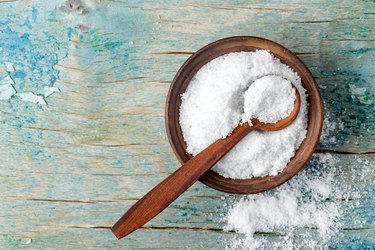
1. Salt
Deli meats, breakfast cereals, fast food, canned soups and frozen dinners are all high in sodium (a component of salt).
Lowering salt in your diet isn't just important for your blood pressure, but it's good for your bones, too. Sodium affects calcium balance by increasing its excretion, and high-salt diets are all too common in the United States.
In fact, each additional gram of sodium eaten per day may increase bone loss by 1 percent per year, a 2004 Bone Health and Osteoporosis report says. But, this may be counteracted with eating more calcium-rich foods.
"Getting rid of the salt shaker at the table is one start, but reducing the number of processed foods you eat may have an even bigger effect. Read your labels and look for products with 140 milligrams of sodium or less per serving," Gueron says.
2. Soda
When it comes to soda, you probably already know it's not the most nutritious choice — but the reasons may be different than you think.
"Sparkling beverages like colas have high amounts of phosphorus, which can cause excess calcium excretion and put your bones at risk," Gueron says.
Colas were associated with low bone mineral density in an October 2006 American Journal of Clinical Nutrition study.
The best advice to maintain bone health: "Keep it in balance and don't make soda your regular fluid of choice," Gueron says.
3. Caffeine
For the most part, a cup or two of coffee per day is okay and may even boast some health benefits. But, too much of a good thing may be bad for your bones.
"For someone who already has bone loss, exceeding about 300 milligrams of caffeine may worsen the condition. That's about the amount in a 16-ounce coffee," Gueron says.
"Read nutrition labels, because caffeine also shows up in more than just coffee. Other sources of caffeine include teas, sodas, energy drinks, nutrition bars, cocoa, chocolate and breakfast cereals," Gueron says.
- MyFoodData: "Canned Sardines"
- Osteoporosis International: "Intake of Omega-3 Fatty Acids Contributes to Bone Mineral Density at the Hip in a Younger Japanese Female Population"
- European Journal of Epidemiology: "Low Serum Magnesium Levels Are Associated With Increased Risk of Fractures: a Long-Term Prospective Cohort Study"
- International Journal of Biomedical Science: "Free Radicals, Antioxidants in Disease and Health"
- American Bone Health: "Minerals for Bone Health"
- Nutrition and Clinical Practice: "Bone Health and Osteoporosis: the Role of Vitamin K and Potential Antagonism by Anticoagulants"
- The Journal of Nutrition: "A Grape-Enriched Diet Increases Bone Calcium Retention and Cortical Bone Properties in Ovariectomized Rats"
- MyFoodData: "Nutrition Facts for Roasted Squash and Pumpkin Seeds (Unsalted)"
- Molecular and Cell Biochemistry: "Role of Nutritional Zinc in the Prevention of Osteoporosis"
- Bone Health and Osteoporosis: "A Report of the Surgeon General"
- American Journal of Clinical Nutrition: "Colas, but Not Other Carbonated Beverages, Are Associated With Low Bone Mineral Density in Older Women: the Framingham Osteoporosis Study"