































































Causes for Dry Mouth

Causes for Dry Mouth
Photo Credit Jeffrey Coolidge/Photodisc/Getty Images

Dry mouth, medically known as xerostomia, means that you are producing insufficient saliva. Informally referred to as "cottonmouth," xerostomia can cause health issues. The National Institute of Dental and Craniofacial Research points out that xerostomia can lead to difficulties eating, chewing, swallowing and speaking; in addition, the lack of bacteria-inhibiting saliva can put you at increased risk for dental problems and mouth infections. Dry mouth can also indicate an underlying medical condition. MayoClinic.com advises seeing your doctor if you have dry mouth.

Symptoms

Diminished salivary function, medically known as asialism, can cause a sensation of a dry or papery mouth, along with saliva that feels thick or hard to swallow. Cracked lips -- called cheilitis -- or split skin at the corners of mouth can also indicate dry mouth, as can bad breath, difficulty speaking or swallowing, sore throat and painful tongue. NIDCR notes that lipstick adhering to teeth can be a tip-off to dry mouth. Other symptoms include altered sense of taste, an increase in plaque, tooth decay and periodontal disease, and the presence of oral infections such as thrush.

Sjogren's Syndrome

Reduced salivary output can be a symptom of a systemic illness. Dry mouth is a classic symptom of Sjogren's syndrome, an autoimmune disease. According to the Sjogren's Syndrome Foundation, the disorder is characterized by white blood cells attacking moisture-producing glands. With Sjogren's syndrome, you may also experience dry eyes, fatigue and joint pain.

Other Diseases Causing Dry Mouth

Poorly controlled diabetes can also cause dry mouth. According to Medical News Today, Parkinson's disease, lupus erythematosus, and scleroderma -- a connective tissue disease that causes overproduction of collagen in skin -- can also be indicated by dry mouth. Other diseases causing xerostomia are amyloidosis, sarcoidosis and hypothyroidism. MayoClinic.com adds that some conditions, such as stroke and Alzheimer's disease, can cause patients to have a perception their mouth is dry even when it is not.

Medications

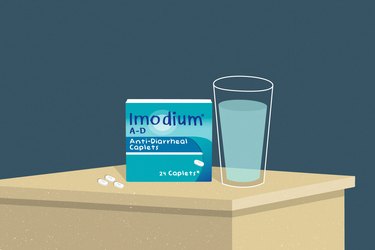
Medications are common culprits when it comes to causing dry mouth. NIDCR notes that 400 medicines, both prescription and over the counter, can reduce the output of salivary glands. MayoClinic.com notes that medications that can cause dry mouth include antihistamines, decongestants, antidepressants, blood pressure medications, anti-diarrheal medications, muscle relaxants and drugs for urinary incontinence. If your dry mouth results from a medication, your doctor may change or adjust it. He may also prescribe medications, such as pilocarpin or cevimeline, to increase saliva.

Radiation and Chemotherapy

Radiation and chemotherapy can cause reduced salivary function and dry mouth. MayoClinic.com notes that radiation therapy can damage salivary glands, while chemotherapy may not only cause you to produce less saliva, but cause existing saliva to thicken or become stringy, worsening the sensation of a dry mouth.

Lifestyle Causes

Alcohol, chewing or smoking tobacco and drinking caffeinated beverages such as coffee, tea and some sodas can contribute to xerostomia. Mouth breathing and snoring can also worsen dry mouth; NIDCR recommends using a humidifier in your bedroom at night.

References

Article reviewed by Victoria Dugger Last updated on: Jun 14, 2011

Must see: Photo Galleries