


















If you have high blood pressure, you can make many different lifestyle changes to help treat it. For many people with high blood pressure, losing weight can help lower if they're overweight or obese. Discuss with your doctor the safest ways to lose weight and control your blood pressure. Don't stop taking any prescribed medications for your high blood pressure in lieu of weight loss unless your doctor advises you to do so.
Function
Also called hypertension, high blood pressure is a condition that can occur due to many different causes. Your blood pressure is the measure of how strongly your blood is pushing during and in-between heartbeats, explains the University of Michigan Health System. If you have high blood pressure, your heart is pumping too hard, the force of blood against your arterial walls is too great and the resistance in your arteries to the flow of blood is too much, the Mayo Clinic says. This can cause potentially serious health problems.
Effects
Obesity and being overweight is one of the main risk factors for high blood pressure, the University of Michigan Health System says. Many people who are obese or overweight develop hypertension, especially when they have a significant amount of excess fat around their waist or belly, the University of Maryland Medical Center explains. In addition to high blood pressure, being overweight or obese can increase your risk for developing certain types of cancer, gallbladder disease, respiratory conditions and osteoarthritis, the University of Maryland Medical Center reports. You'll also have increased risks for heart disease, high cholesterol, type 2 diabetes, stroke and heart attack, the University of Pittsburgh Medical Center notes.
Significance
One of the main lifestyle changes suggested for lowering high blood pressure is to lose weight through exercising and following a low-fat diet, the University of Michigan Health System recommends. This is because when you have more body weight, your body will have more blood-volume circulating and demand more oxygen, the Mayo Clinic explains. When your body demands increased oxygen and nutrient supply through your bloodstream, your arteries become stressed and your arterial walls will experience increased pressure. Losing weight can reverse these effects, and losing as little as 5 pounds of body weight can reduce your blood pressure.
Considerations
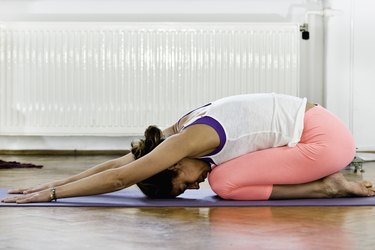
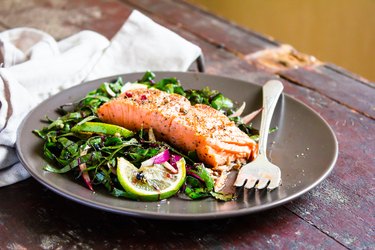
In addition to losing weight, other lifestyle changes are often important for lowering high blood pressure. Your doctor will likely advise you to quit smoking and limit your alcohol and salt intake, the University of Michigan Health System notes. You can also reduce your stress levels using techniques like deep breathing, yoga and meditation to lower your blood pressure, the Mayo Clinic says, and exercising at least 30 minutes each day can help you to lose weight and lower your blood pressure. Also, you can reduce blood pressure and lose weight by following a healthy diet like the Dietary Approaches to Stop Hypertension, or DASH, diet that involves eating low-fat dairy, whole grains, fresh fruits and vegetables (see Resource).
Warning
Depending on how high your blood pressure measures, you may need to take certain medications in addition to making lifestyle changes and losing weight, the University of Michigan Health System says. In many cases, weight loss alone won't necessarily lower your blood pressure sufficiently. You should continue to take your blood pressure medicine while you're losing weight, unless your doctor tells you to stop taking it. Beware that many weight-loss drugs--both over-the-counter and prescription--are unsafe for people with hypertension because they can increase your blood pressure, the University of Maryland Medical Center warns. This is especially true of phentermine.


