


























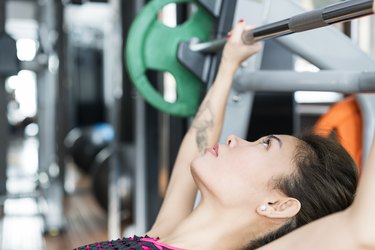
Diet for Fat Loss & Lean Muscle Gain

Diet for Fat Loss & Lean Muscle Gain
Photo Credit Jupiterimages/Brand X Pictures/Getty Images

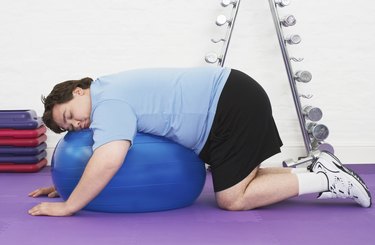
Planning is the most crucial part of a diet for fat loss and lean muscle gain. It is essential to select the correct foods and portion sizes to gain muscle and burn fat. Consuming a well-balanced diet is an essential part of fat loss and muscle gain, but the timing of your meals can either help or hinder your progress.

Protein

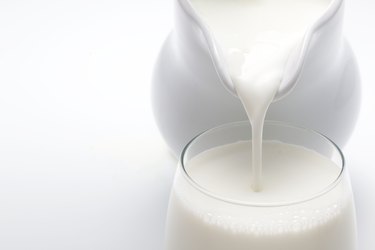
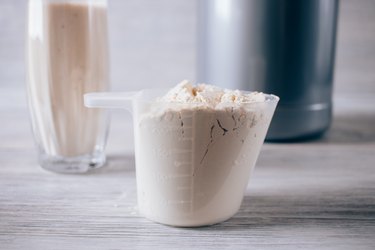
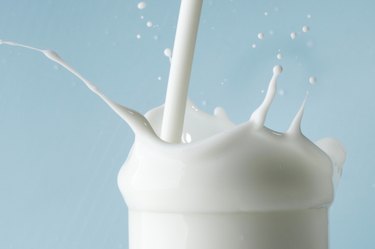
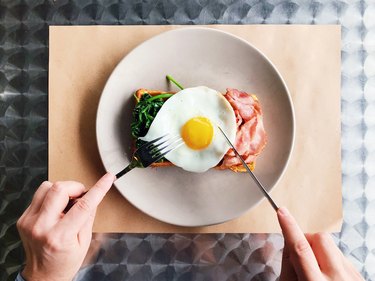
When building muscle mass and losing fat mass it is essential of have an adequate amout of protein in your diet. Protein is essential for muscle growth and repair, according to the Every Diet website. It is necessary for muscle growth to provide your muscles with lean protein to repair damaged tissue when training hard. Consume lean protein such as chicken breast, fish, low-fat dairy, whey protein and egg whites. 30 to 40 percent of your daily caloric intake should come from protein, and you should consume protein at every meal.

Carbohydates

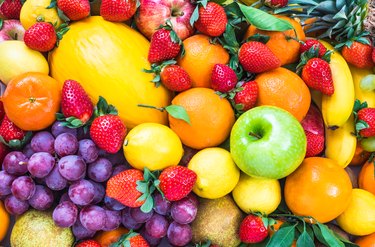
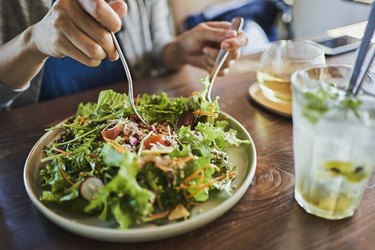
Carbohydrates have been labeled as the enemy when it comes to weight loss. Carbohydrates are essential macro-nutrients needed for survival. Refined flours and sugars do cause weight gain, however, and you should eliminate them from your diet. Consume 30 to 50 percent of your daily caloric intake from healthy carbohydrates such as whole grains, fruits and vegetables.

Fats

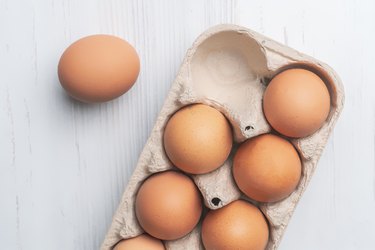
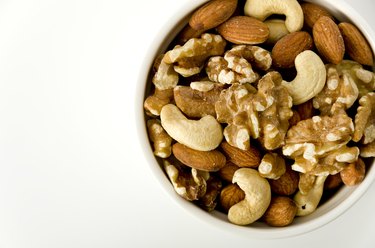
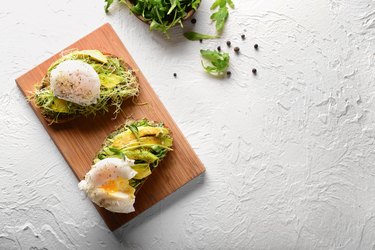
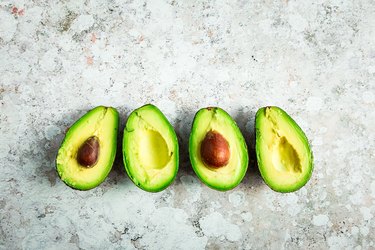
Consume 20 to 30 percent of your daily caloric intake in healthy, unsaturated fats in the form of olive oil, nuts, seeds, egg yolks or avocado. According the Harvard School of Public Health, unsaturated fats improve blood cholesterol levels, ease inflammation and stabilize heart rhythms. Avoid consuming saturated fats and trans fatty acids, which can lead to weight gain and high cholesterol.

Meal Planning

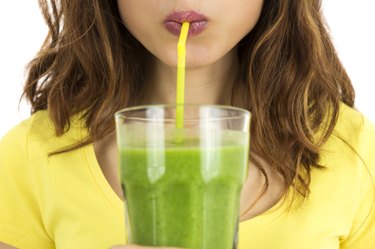
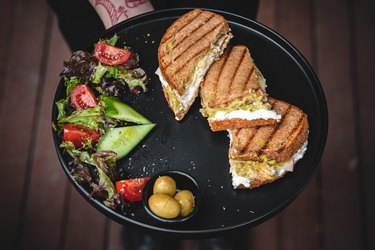
Planning when your meals are consumed is just as important as what you consume. For fat loss and muscle gain, consume five to seven small meals a day, spacing the meals every two to three hours. Each meal should consist of a protein, carbohydrate and fat source. Incorporate green vegetables into at least three of your meals a day to ensure you are getting enough vitamin and minerals, as well as fiber.

Considerations

Planning your meals in accordance to when you exercise are vital for muscle performance and recovery. According to the Building-Muscle-Guide website, it is recommended to consume a pre-workout meal a least 45 minutes prior to exercise consisting of protein and low-glycemic carbohydrate such as oatmeal, apple or cottage cheese. This will keep your energy level up, without feeling sluggish. After your workout, replenish muscle glycogen within 60 minutes post-workout, with a protein source such as whey protein, and carbohydrate such as fruit or potatoes.

References

Article reviewed by Matt Olberding Last updated on: Jul 31, 2011

Must see: Photo Galleries

Member Comments