Fiery_Phoenix/iStock/Getty Images
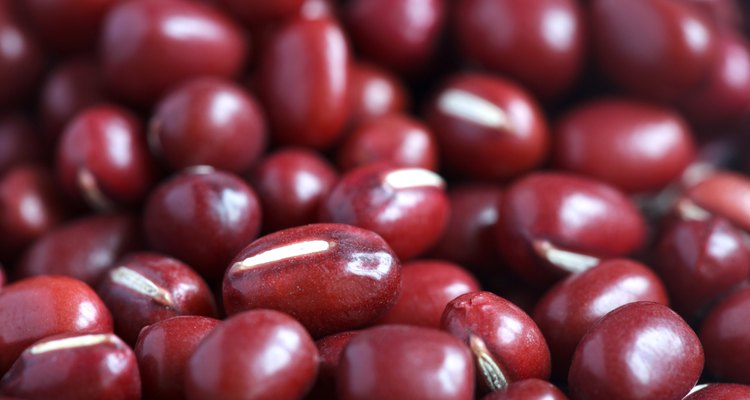
Sweet and nutty, the adzuki bean is a small red-brown bean frequently used in Japanese desserts. Like other legumes, the adzuki bean is a nutritional powerhouse, rich in protein, fiber and folic acid. Knowing the nutrition information for the little red bean can help you see its benefits in your diet.
Weight-Conscious Calories
If you're trying to lose weight or maintain a healthy weight, eating adzuki beans may help. A 1/2-cup serving of cooked adzuki beans, which weighs 115 grams, contains 147 calories. According to the British Nutrition Foundation, adzuki beans are a low-energy-dense food, with 1.3 calories per gram. This means they're low in calories compared to serving size and fill you up with fewer calories, making it easier for you to balance your calories for a healthier weight.
Carbs and Fiber
Most of the calories in the adzuki beans come from its carbohydrate content. A 1/2-cup serving of cooked beans contains 28 grams of carbs. The Institute of Medicine recommends that 45 to 65 percent of the calories in your diet come from carbs. Some of the carbs in the beans come from its fiber content, with 8 grams of fiber in the 1/2-cup serving. Getting more fiber in your diet may reduce your risk of type 2 diabetes, obesity and heart disease, according to the 2010 Dietary Guidelines for Americans. Women need 25 grams of fiber a day, while men require 38 grams.
Protein and Fat
Adzuki beans are a good source of protein and contain very little fat. A 1/2-cup serving contains 8 grams of protein and less than 1 gram of fat. The Institute of Medicine recommends you get 10 to 35 percent of your calories from protein and 20 to 35 percent from fat. While the beans are a good source of protein, they do not contain all of the essential amino acids, making them an incomplete source of protein. However, you should be able to meet your amino acid needs if you eat a variety of foods, including vegetables and grains, throughout the day.
Vitamins and Minerals
A 1/2 cup serving of cooked adzuki beans meets 12 percent of the daily value for iron, 13 percent of the daily value for potassium and 35 percent of the daily value for folic acid. Iron is responsible for getting oxygen to your muscles and organs and also makes up part of the enzymes that help you digest food. Eating more potassium-rich foods like adzuki beans may help improve blood pressure, according to the 2010Dietary Guidelines for Americans. Folic acid is a B vitamin that is needed to make new cells, and it's especially important for women of childbearing age. Adequate intakes helps prevent birth defects in babies.
Related Articles

The Nutrition of 15-Bean Soup
Nutrition Information on Blueberries
What Are the Benefits of Great Northern ...
The Nutritional Value of Edamame Beans
Red Kidney Beans Nutrition

Vitamins for Mental Alertness
List of High Protein Vegetables
What Is the Nutrition for Cranberry ...
The Calories in Seafood Paella

Does Benefiber Lower Cholesterol?

How Many Calories Are in an 8-Ounce ...
How Much Whole Grain Should You Eat a ...
Nutritional Value of String Beans
Cannellini Beans for Weight Loss
The Nutritional Value of Anasazi Beans ...
The Nutrition in Coconut Powder
Which Is Highest in Fiber: Carrots, ...
The Best Companion Foods for Vitamin & ...
Fiber in Soybeans
Nutrition Drinks for Diabetics
References
- USDA National Nutrient Database: Beans, Adzuki, Mature Beans, Cooked, Without Salt
- British Nutrition Foundation: What Is Energy Density?
- U.S. Department of Agriculture and U.S. Department of Health and Human Services: Dietary Guidelines for Americans, 2010
- Centers for Disease Control and Prevention: Protein
- U.S. Food and Drug Administration: Guidance for Industry: A Food Labeling Guide (14. Appendix F: Calculate the Percent Daily Value for the Appropriate Nutrients)
- Centers for Disease Control and Prevention: Iron and Iron Deficiency
- U.S. National Library of Medicine: National Institutes of Health: MedlinePlus: Folic Acid
Writer Bio
Jill Corleone is a registered dietitian and health coach who has been writing and sharing her love of food, nutrition and health with anyone who'll listen for almost 20 years. Her work has been featured on the Huffington Post, Diabetes Self-Management and Working Mother.
Photo Credits
Fiery_Phoenix/iStock/Getty Images