Elecstasy/iStock/Getty Images
Hippocrates' famous words, "Let food be thy medicine and medicine be thy food," are becoming increasingly relevant as more people turn to dieting not for weight loss but for disease prevention and well-being. The raw food diet comes packaged with bold health claims and alluring anecdotes, making it popular among health seekers and those looking to combat illness through alternative avenues. Although tofu is commonly seen as a health food, the heat and processing it undergoes make it unacceptable for most raw food diets.
Tofu Processing
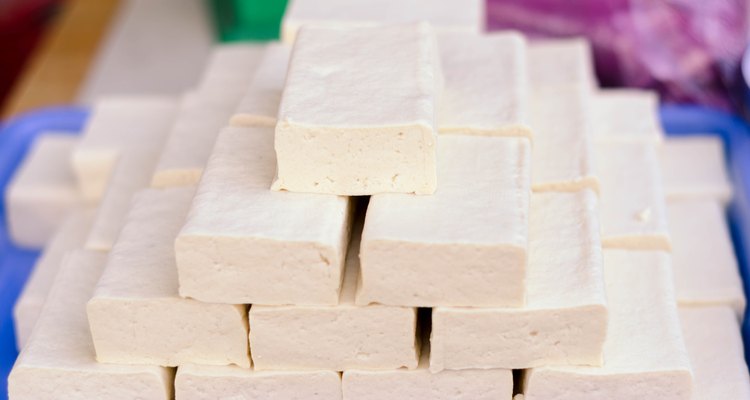
Tofu is a soybean product created through a process similar to cheesemaking. Ground soybeans are mixed with water, and the resulting liquid is heated, strained and stirred with a coagulant -- or firming agent -- until curds start to form. The curds are then poured into a box to extrude any excess liquid and form the familiar white block sold as tofu. Because tofu reaches high temperatures during processing, it's considered a cooked food and is excluded from strict raw food diets.
Acceptibility on Raw Food Diets
Although tofu is a no-go for those striving to eat all their food raw, it may be allowed on less strict versions of the diet. According to raw food coach and author Karen Knowler, eating a diet with at least 75 percent raw food can bring many of the same weight-loss, mood and energy benefits as a completely raw diet. For raw food dieters choosing to include a portion of cooked food in their eating plan, tofu may be a compatible addition.
Nutrition Benefits
Including tofu in an otherwise raw diet may provide some nutritional benefits, potentially making the diet more sustainable in the long term. Because vegan versions of the raw food diet contain few protein-rich foods other than nuts and seeds, tofu -- which contains 10 grams of protein per 1/2 cup -- may help keep protein intake at adequate levels. In addition, the calcium in tofu, 434 milligrams per 1/2 cup, may benefit the dental health of raw food dieters. According to a study published in the January 1999 issue of "Caries Research," raw foodists who had adhered to their diet for at least a year and a half had significantly more dental erosion than those eating a standard diet.
Considerations
There's no evidence that tofu is harmful, but it can have an effect on menstruation. A study published in the September 1994 issue of the "American Journal of Clinical Nutrition" found that supplementing women's diets with soy protein suppressed levels of luteinizing hormone and follicle-stimulation hormone, resulting in significantly delayed menstruation. Female raw foodists already tend to struggle with low hormone levels and menstrual delays: a survey published in the March 1999 issue of the "Annals of Nutrition and Metabolism" found that 30 percent of female raw foodists under age 45 had partial or complete amenorrhea, or loss of menstrual periods. If you're worried about how your diet might affect menstruation, chat with your doctor.
Related Articles

Dangers of Goat Milk

Benefits of Raw Milk
What Are Health Benefits of Stinky Tofu?
Can You Use Frozen Vegetables in a Raw ...
How to Cook Raw Chickpeas or Garbanzo ...
How to Roast Raw Cashews
Good Substitute for Cashews in Raw ...
Differences Between Roasted & Raw Nut ...
Can You Eat Sour Cream If It's Been ...
Skin Benefits of Eating Coconut Oil

What Are the Benefits of Extrapone ...

How to Store Brussels Sprouts
Vegan Sour Cream Substitutes

Teens Dealing With Jealous Boyfriends
Whole Milk Vs. Lactaid Milk

Long-Term Effects of Being Molested As ...

What Is the Meaning of Judgmental?
Are Pickled Vegetables Allowed on a Raw ...
Can I Exercise on the Master Cleanse ...

What Is the Difference Between Raw & ...
References
Resources
Writer Bio
Denise Minger, an independent researcher, writer, editor and public speaker, published her first book, "Death by Food Pyramid," in January 2014. Passionate about health, she runs a blog at rawfoodsos.com dedicated to debunking bad nutritional science, and offers health consultations for individuals with special dietary goals.
Photo Credits
Elecstasy/iStock/Getty Images