What Is the Percentage of Sugar in Dried Fruits?
Dried fruits provide essential nutrients including fiber, potassium, folate and vitamins A and C. They are also good sources of a type of antioxidant called polyphenols. Some people may worry about the high sugar content of dried fruit, however, which may keep them from including these nutritious fruits in their diet.
Sugar Amounts
Most dried fruits are more than 50 percent sugar. The exceptions are prunes, which are about 38 percent sugar, and dried figs, which are about 48 percent sugar. Among the dried fruits with the highest sugar content are currants and sweetened dried cherries, with 67 percent, and sweetened dried cranberries, with 65 percent.
Compared to Fresh by Weight
What Is the Nutritional Value of Dried Cranberries Compared to Fresh Cranberries?
Learn More
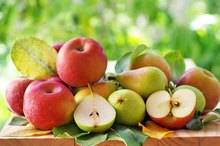
When comparing the sugar content of dried fruits and fresh fruits by weight, dried fruits are much higher in sugar because they have had much of their water content removed. Fresh apricots contain about 9 percent sugar, while fresh plums and apples have about 10 percent sugar, which is much lower than the 53 percent sugar in dried apricots, 38 percent sugar in dried plums, or prunes, and 57 percent sugar in dried apples.
Compared to Fresh by Serving Size
The difference between the amount of sugar in fresh and dried fruit isn't as extreme when you consider the amount of sugar in a typical serving. The recommended serving size for chopped fruit is 1/2 cup. Because dried fruit is a more concentrated source of calories and nutrients, the recommended serving size is half that of fresh fruit. For example, a 1/4-cup serving of dried apricots has 17.4 grams of sugar, and a 1/2-cup serving of fresh apricots has 7.2 grams of sugar. A 1/4-cup serving of prunes has 16.6 grams of sugar, compared to 8.2 grams in 1/2 cup of fresh plums.
Fitting Dried Fruit Into a Healthy Diet
Yogurt Granola Parfait Calories
Learn More
Watch your portion size to keep from eating too many calories or too much sugar from dried fruit. If you are just going to eat a snack of fruit, fresh fruit may be a better option since it is less energy-dense, meaning you can eat more for the same number of calories. Sprinkle a little dried fruit on a salad or in your cereal to add a touch of sweetness, or add a small amount of dried fruit to baked goods, such as pancakes or breads. You can also make a nutritious trail mix using a low-sugar, high-fiber cereal along with a small amount of dried fruit and nuts.
Related Articles
What Is the Nutritional Value of Dried Cranberries Compared to Fresh Cranberries?
Learn More

Yogurt Granola Parfait Calories
Learn More

How to Get a Sugar Rush
Learn More
Sugar Content of Vegetables & Fruits
Learn More
Low-Sugar Fruits
Learn More
How to Freeze Nectarines
Learn More
Fruit Roll Up Ingredients
Learn More

Is No-Sugar-Added Dried Fruit Good for You?
Learn More
Nutrition in Chocolate-Covered Raisins
Learn More

How Many Calories Are in Fruitcake?
Learn More
References
- Health-Alicious-Ness.com: Nutrition Facts Comparison Tool: Raisins, Prunes, Apricots
- Health-Alicious-Ness.com: Nutrition Facts Comparison Tool: Cranberries, Dates, Cherries
- Health-Alicious-Ness.com: Nutrition Facts Comparison Tool: Apples, Currants, Figs
- Journal of the American College of Nutrition: Dried Fruits: Excellent in Vitro and in Vivo Antioxidants
- Health-Alicious-Ness.com: Nutrition Facts Comparison Tool: Apples, Apricots and Plums
- MedlinePlus: Carbohydrates
Writer Bio
Based in Massachusetts, Jessica Bruso has been writing since 2008. She holds a master of science degree in food policy and applied nutrition and a bachelor of arts degree in international relations, both from Tufts University.