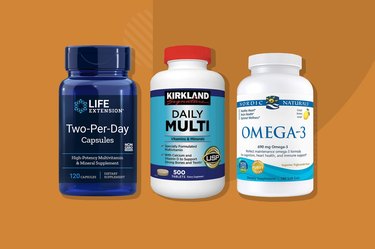
Standing in the vitamin aisle may make you feel like a deer in the headlights. There are so many brands that it can be hard to know which ones to trust. After all, taking a supplement is meant to improve your health — and that's why knowing the best vitamin brands can help you make the right choice.
To help, here are the five best vitamin brands to look for next time you're at the pharmacy.
Video of the Day
Video of the Day
How We Chose
The Food and Drug Administration (FDA) does not approve supplements' safety or efficacy before they hit the market, although it does set something called Current Good Manufacturing Practices (CGMPs), which include requirements for preparation and storage. As a result, your best bet is to pick products that have been quality tested by an independent group (products will note this on the label).
We've selected the best vitamin brands based on their CGMPs compliance and verification from one (or more) of the following independent quality control groups.
- NSF International: tests and reviews supplements and vitamins for safety and effectiveness.
- Consumer Lab: checks for identity, strength, purity and if the supplement disintegrates appropriately in the body.
- United States Pharmacopeial Convention (USP): tests supplements to see if they contain what is on the label in the stated potencies, check for harmful contaminants and make sure the supplement breaks down so it can be properly absorbed by the body.
Learn more about how we choose products here.
Tip
While it's important to look for quality verification, your doctor is the best resource when it comes to which supplement to choose based on your individual health needs, per the National Institutes of Health (NIH).
1. Kirkland
Costco members, rejoice! Many of your favorite bulk store's supplements are USP-verified, including the brand's Daily Multi Tablets, Adult 50+ Multi Tablets and Vitamin D3 2000 IU soft gels.
You have to hold a Costco membership to buy Kirkland brand supplements, but because you're buying in bulk, the price may be lower than purchasing somewhere else.
Even better, the reviews speak for themselves: The Kirkland Signature daily multivitamin, for instance, has more than 300 five-star ratings.
Products We Love
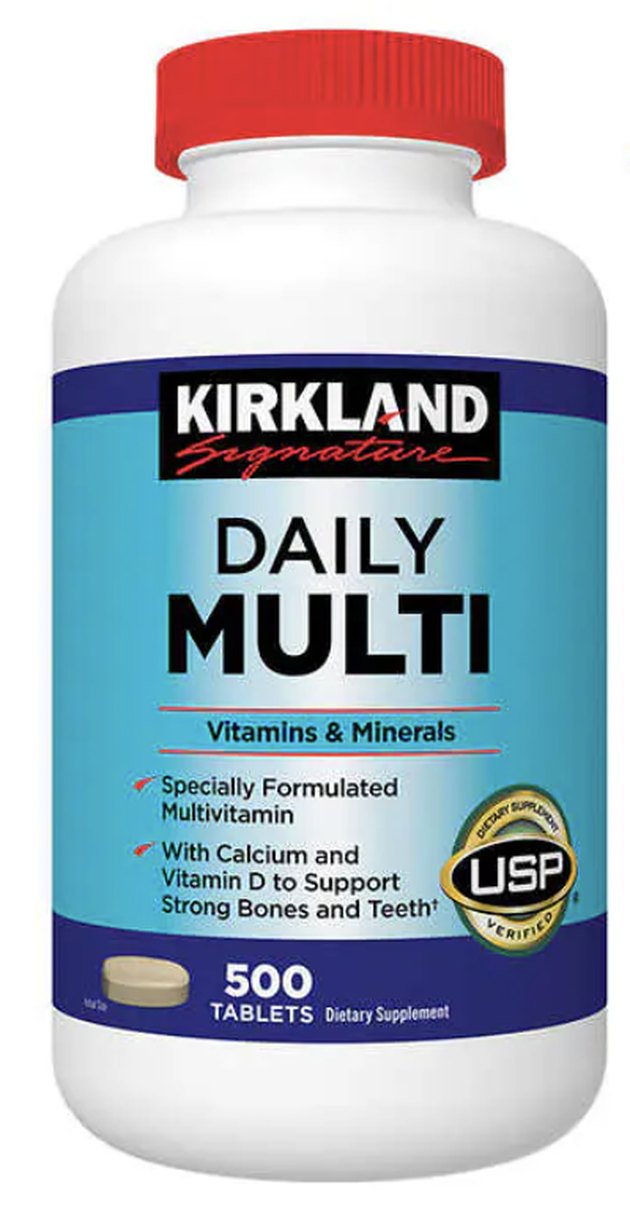
Kirkland Signature Daily Multi
This daily multi by Costco's brand comes with calcium and vitamin D for strong bones and teeth.
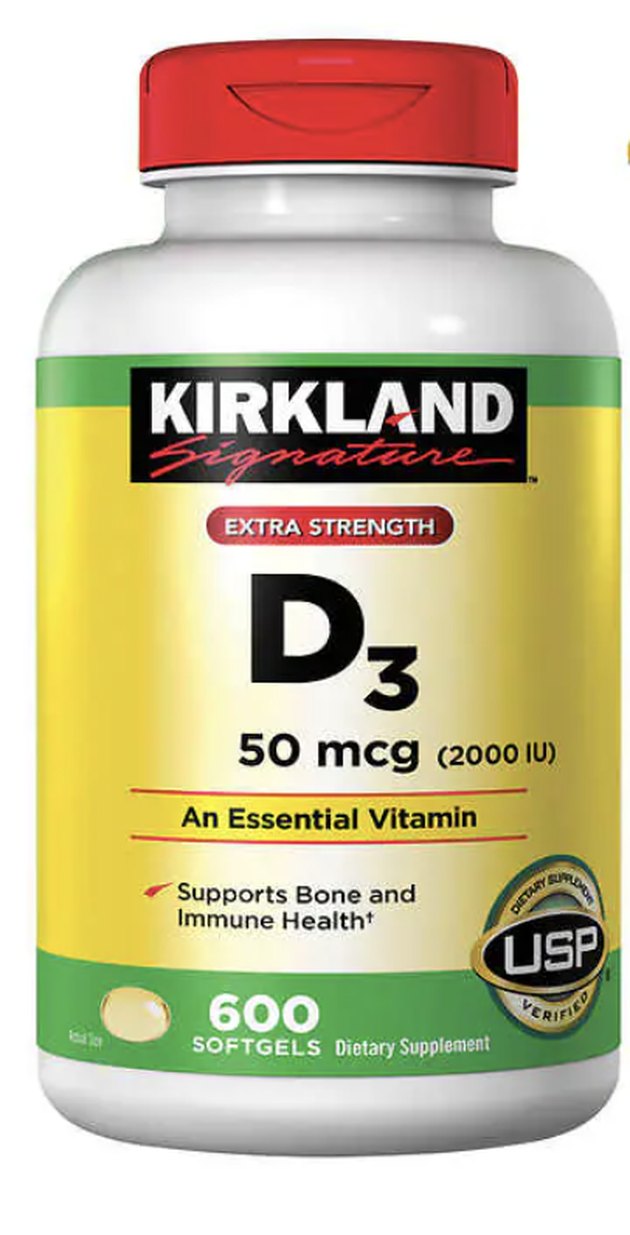
Kirkland Signature Extra Strength D3
This extra-strength vitamin D3 comes with 2,000 IU to support bone and immune health.
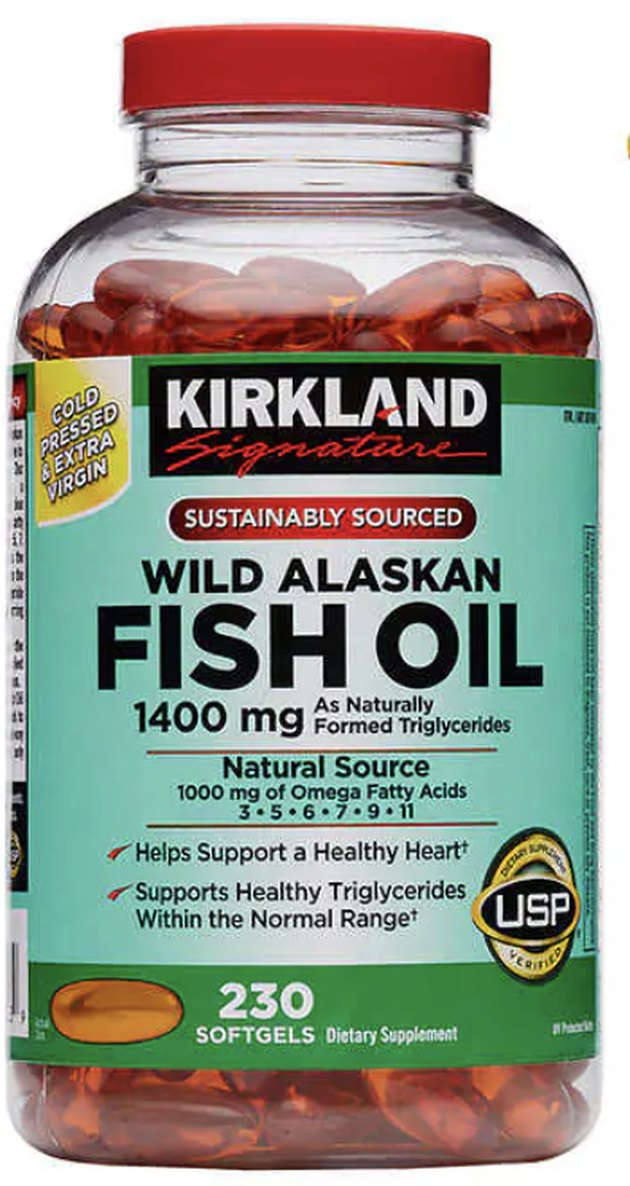
Kirkland Signature Wild Alaskan Fish Oil
This affordable and USP-verified fish oil offers beneficial Omega-3s.
2. Thorne
Thorne supplements adhere to rigid manufacturing processes and are made in the U.S. This best vitamin brand has CGMPs compliance with no failed inspections, produces 30 NSF Certified for Sport products and is the first U.S. supplement company to be certified by Australia's Therapeutic Goods Administration, another world regulatory organization.
Thorne supplements go through four rounds of testing — including raw material and stability testing — to ensure they are meeting potency requirements up to the expiration date.
Products We Love
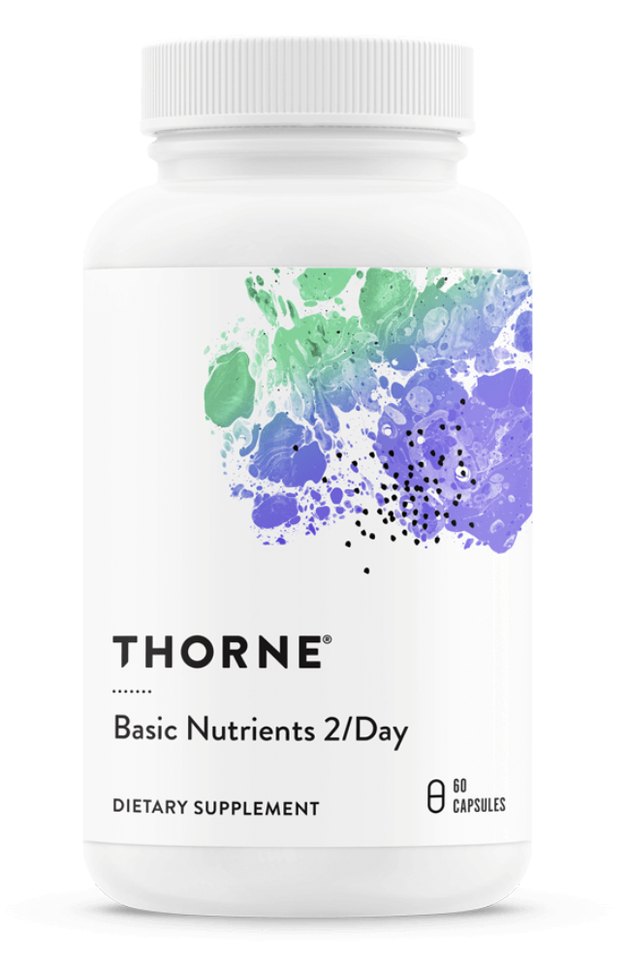
Basic Nutrients 2/Day
This pick is gluten, dairy and soy-free.
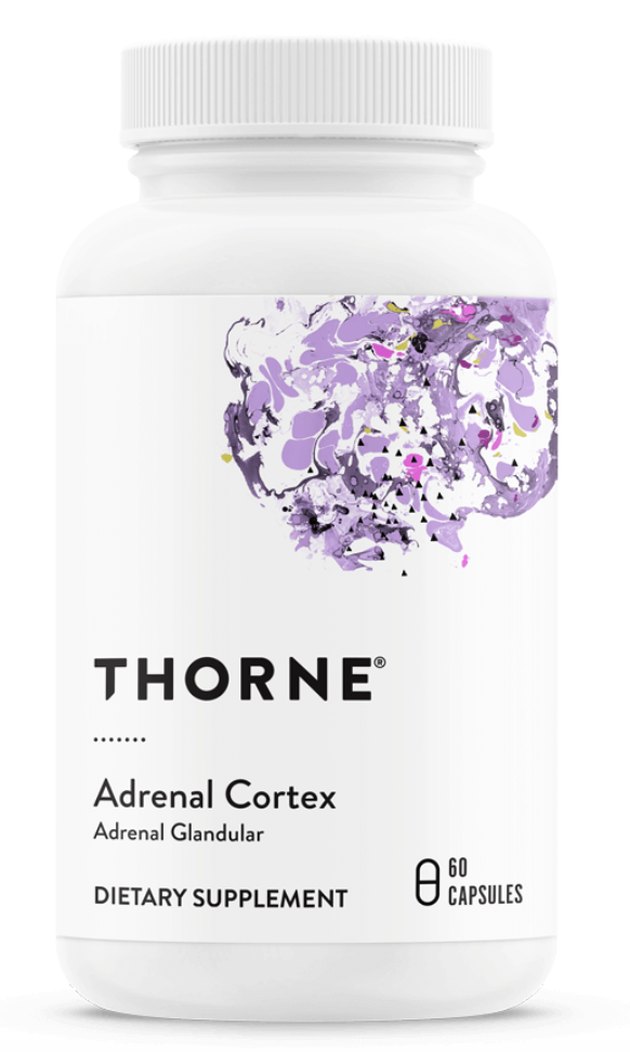
Adrenal Cortex
This supplement could help naturally balance your stress hormones, helping you feel more calm.
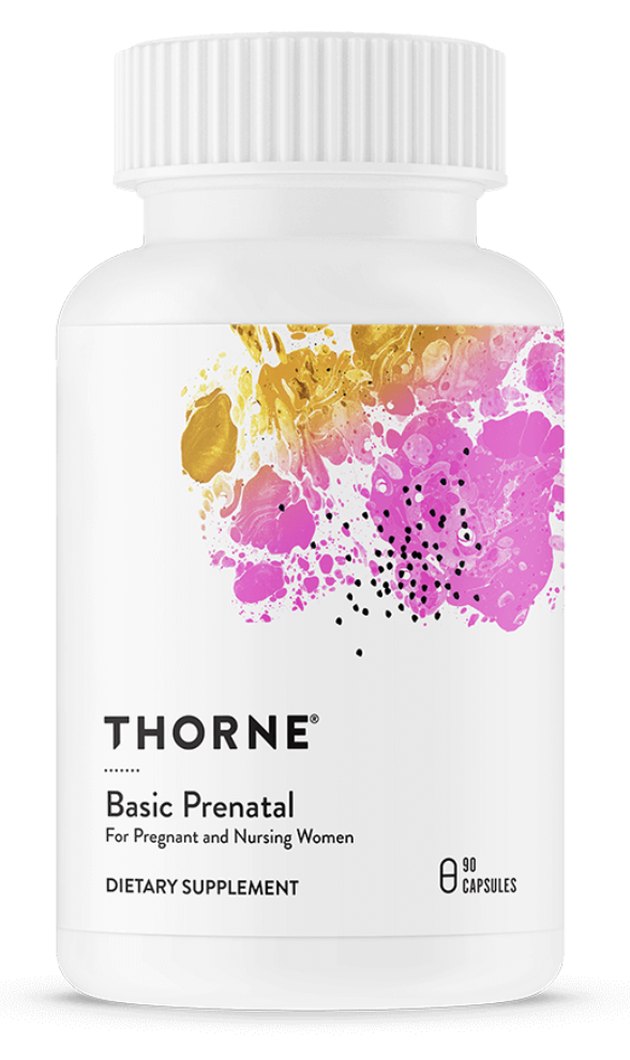
Basic Prenatal
Opt for this choice if you're trying to get pregnant, are pregnant or are nursing.
3. Life Extension
Life Extension is another best vitamin company that launched in 1980, with 99 percent of their products made in the U.S.
Since then, the brand has racked up a number of verification accolades: Life Extension won Consumer Lab's award for number one multivitamin and number one vitamin D for 2023 and also has a Good Manufacturing Practices registration from NSF International for quality standards.
Products We Love
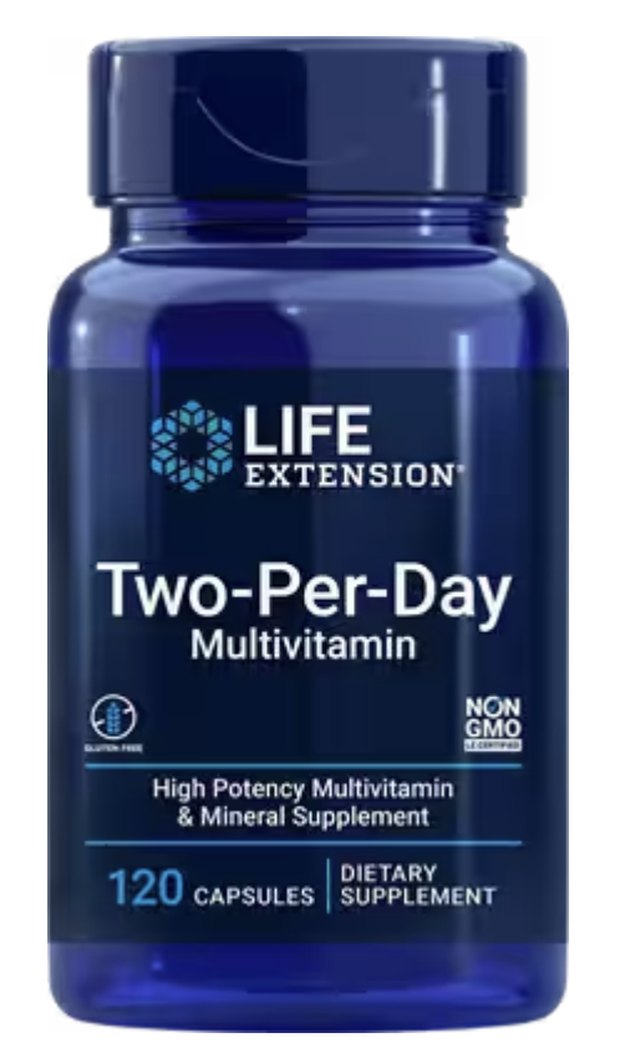
Two-Per-Day Multivitamin
This multivitamin is packed with over 25 vitamins, minerals and extracts.
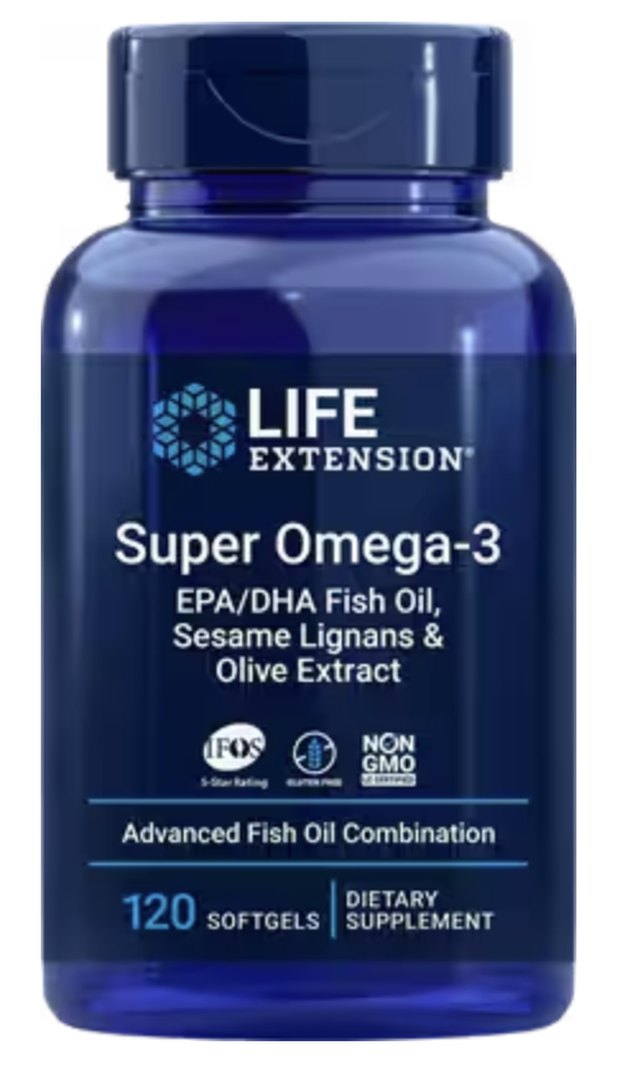
Super Omega-3 EPA/DHA Fish Oil, Sesame Lignans & Olive Extract
Filled with fatty acids and olive polyphenols, this product helps support heart and brain health.

Rest & Renew
The ashwagandha and melatonin in this supplement will help you de-stress and fall asleep.
4. Nature Made
Nature Made holds the title for the number one pharmacist-recommended brand for 14 popular supplements. It was the first company to get a USP verification on many of its products, and the USP seal is prominently displayed on the packaging.
The brand boasts a broad array of supplements to pick from, including a daily multivitamin that has a nearly five-star rating.
Products We Love
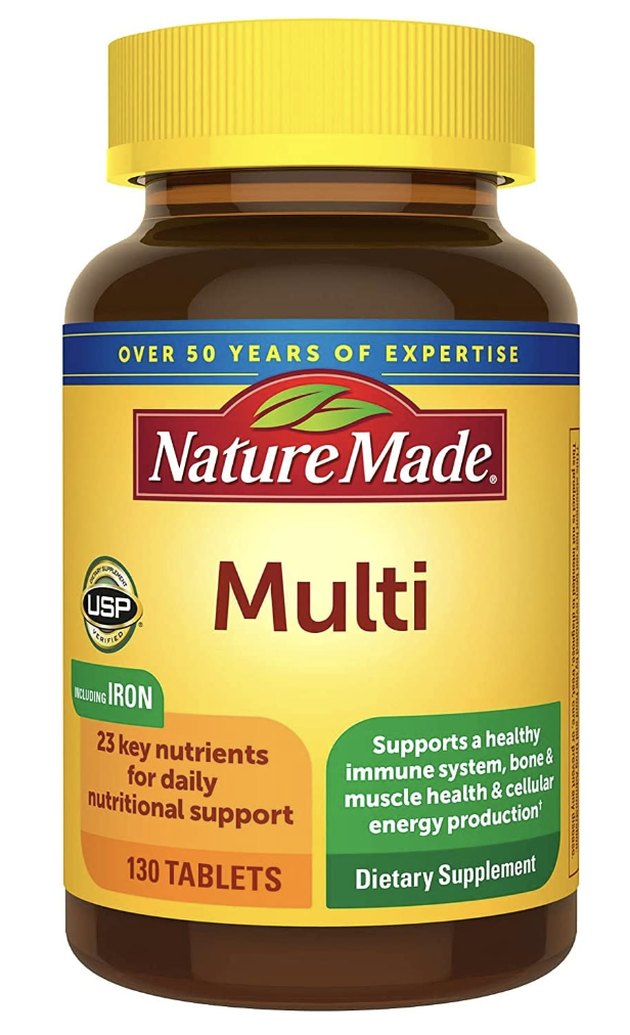
Multi
This multivitamin is USP-verified and contains iron.
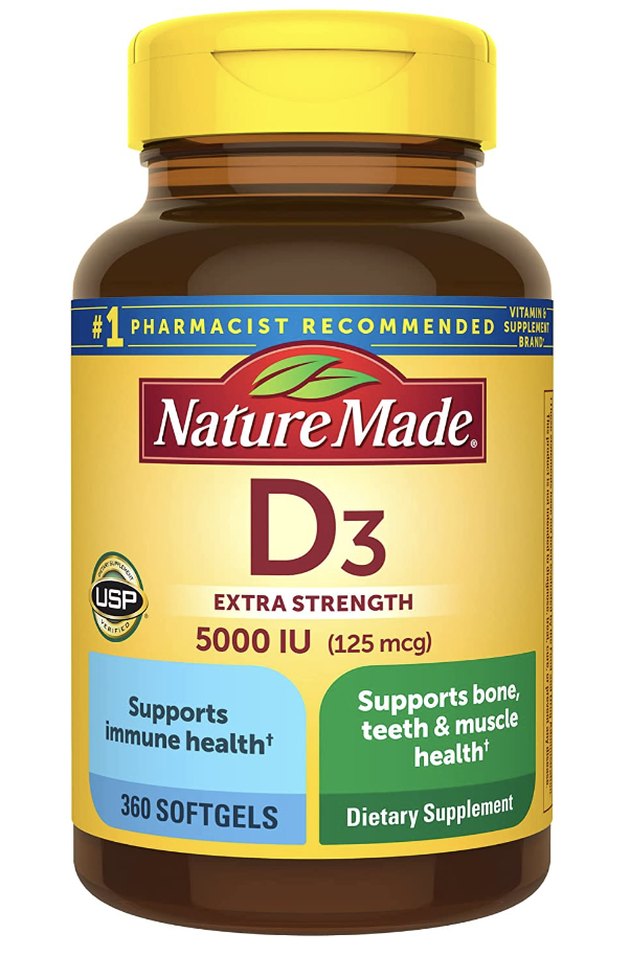
Extra Strength Vitamin D3
If you are vitamin D deficient, this 5000 IU capsule can help you improve your levels.
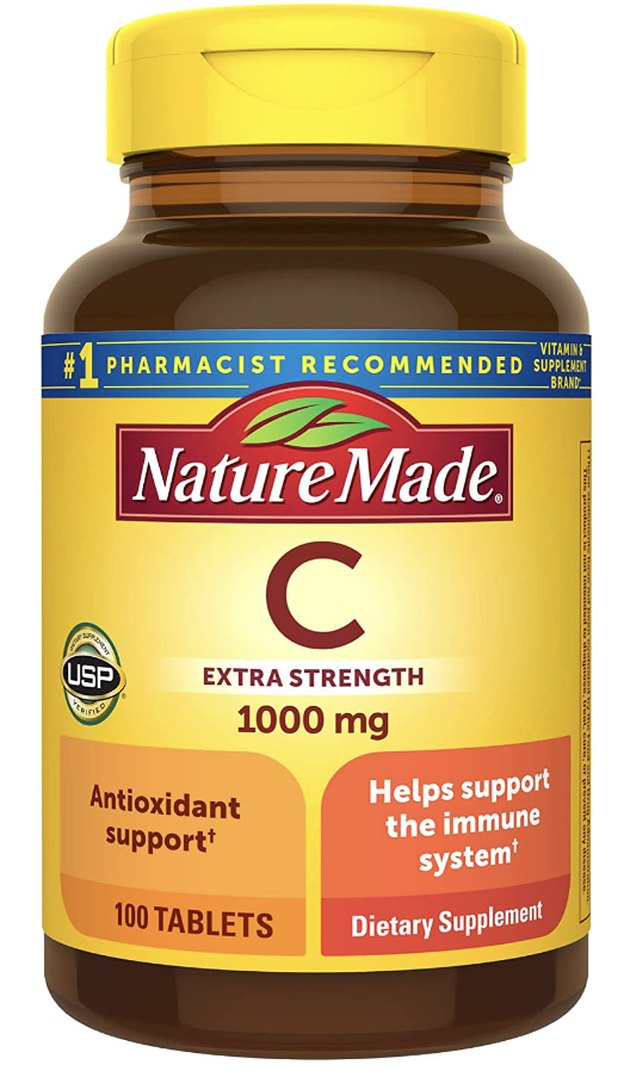
Extra Strength Vitamin C
Help support your immune system with this extra-strength vitamin C.
5. Nordic Naturals
There is no official quality testing standard in the U.S. for fish oil supplements, so Nordic Naturals adheres to guidelines set by the European Pharmacopoeia Standard (EPS), Council for Responsible Nutrition (CRN) and the Global Organization for EPA and DHA Omega–3 (GOED) when manufacturing its fish oil.
The brand uses wild-caught fish for its supplements, which have been used in more than 50 research studies, per the Nordic Naturals website.
These supplements are also beloved by users — their omega-3 soft gels have amassed more than 5,000 five-star ratings on Amazon.
Products We Love
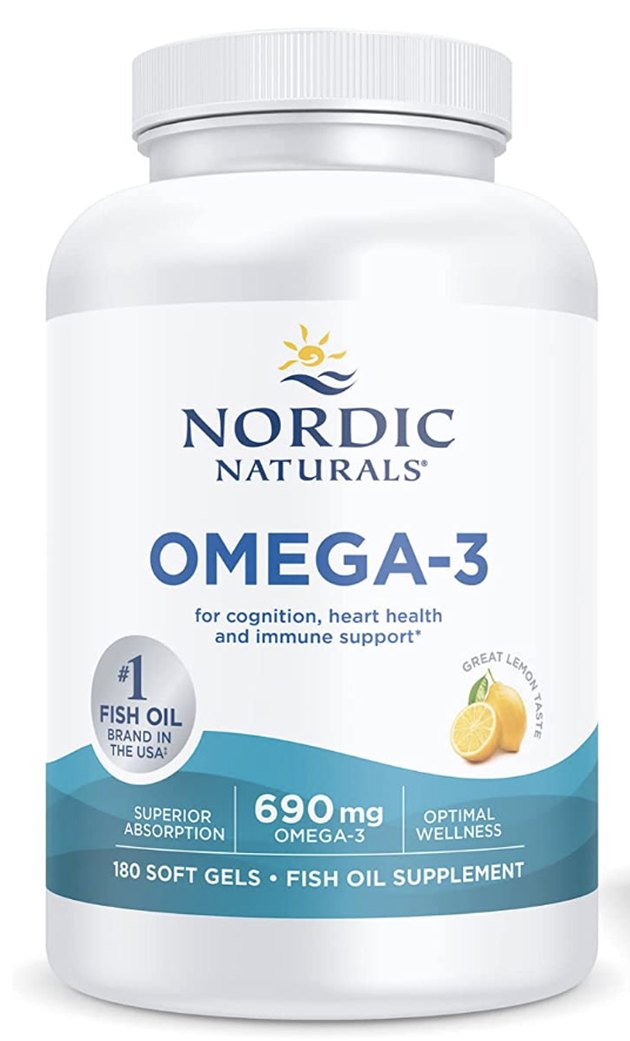
Omega-3
Get high-quality fish oil from this lemon-flavored soft gel.
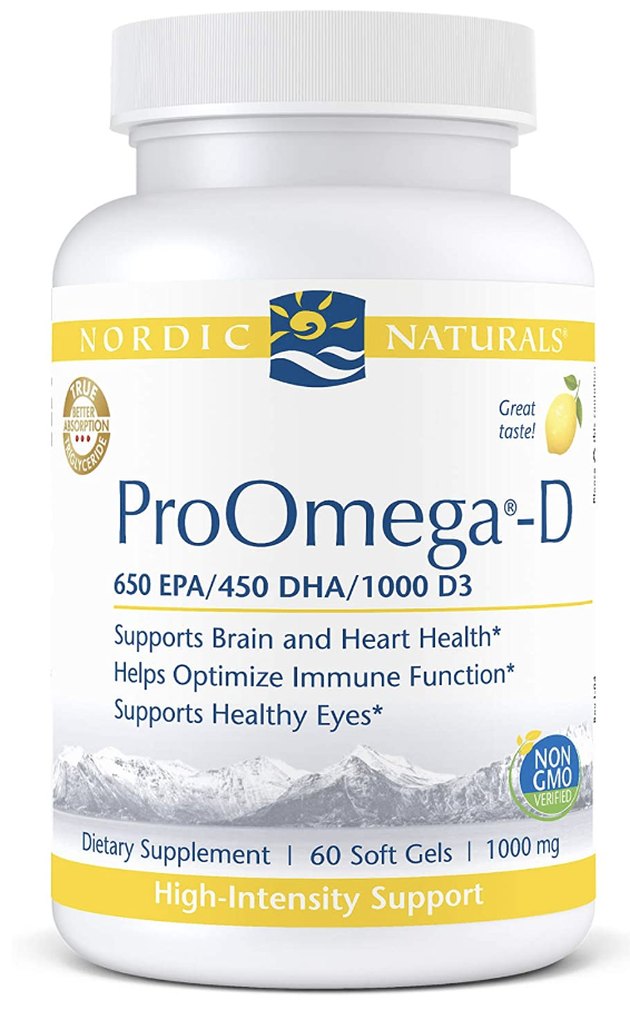
ProOmega-D
Get a mix of EPA, DHA and vitamin D3 in this extra-strength supplement.
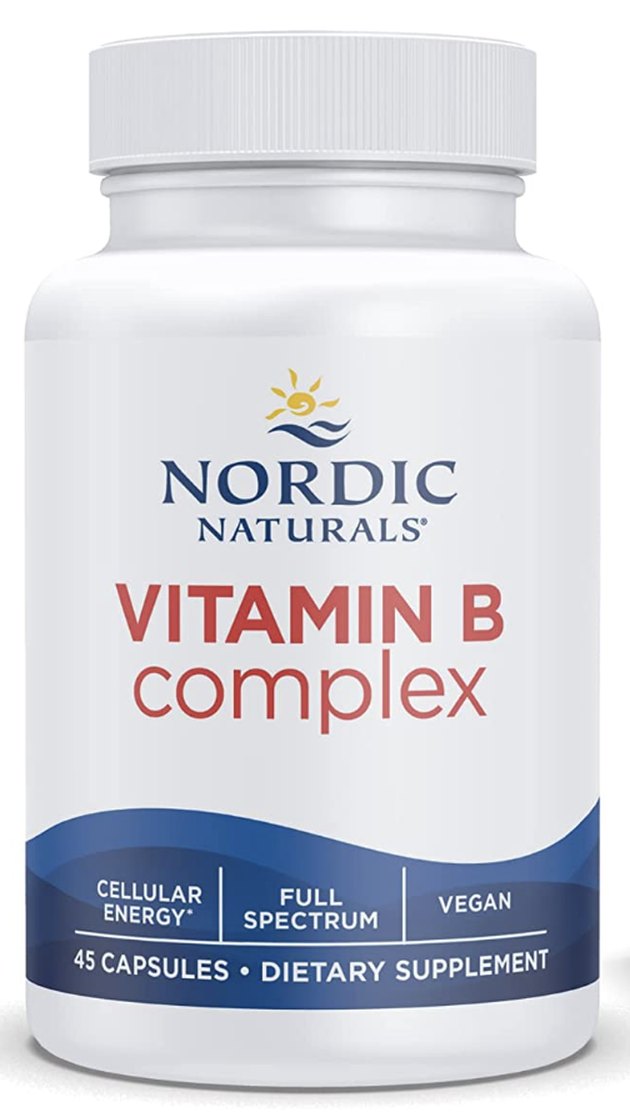
Vitamin B Complex
This vegan, full-spectrum vitamin B complex will help brain and nerve function.
What to Look for When Choosing a Supplement Brand
Of course, there are more than five supplement companies to pick from (and that's not to mention the array of different vitamins to choose once you settle on a brand).
So if you're shopping for more options, here's what to keep in mind when it comes to scoping out the best supplement brands (and which vitamin brands to avoid):
- Do your research before heading to the store.
- Look for third-party testing.
- Check for allergens on the label.
- If necessary, get a recommendation from your doctor or a registered dietitian.
And remember — dietary supplement companies are not permitted to market their products as a cure or treatment for any condition, per the FDA. So if you see a statement like that on the label, it's wise to put the product back on the shelf.
Do You Need a Supplement?
If you don't have any underlying deficiencies or health issues, chances are you don't need a supplement. You should be able to get all the vitamins and minerals you need daily by eating a balanced diet rich in whole foods like sources of protein (plant or animal), fruits, vegetables, grains and dairy, per the Academy of Nutrition and Dietetics. Food also gives you beneficial nutrients like antioxidants, which you can't get from a supplement.
As a result, you should only take supplements if your doctor recommends it. That's because some vitamins are harmful if taken in excess or may have side effects you're not aware of, according to the NIH. In fact, just because a supplement has a higher dosage of a nutrient doesn't necessarily mean it's the better choice for you, per the National Institute on Aging.
That said, some people may need to supplement their diet with a specific vitamin or mineral for the following reasons:
1. You Have a Health Condition
You may need to take a specific vitamin or mineral if you have an underlying condition or ongoing health issue, in which case your doctor will recommend it, per the Academy of Nutrition and Dietetics. For example, if you're recovering from surgery and have problems absorbing nutrients, you may need a supplement.
2. You're Pregnant
You may also have additional nutritional needs if you're pregnant, according to the NIH. For instance, your doctor may suggest you take an iron supplement to make sure you're getting enough of the mineral.
3. You Have Dietary Restrictions
Those who follow specific eating plans like the vegan diet may need B12 supplementation because they don't eat animal or dairy products, according to September 2017 research in the Journal of the International Society of Sports Nutrition.
So if you eat vegan (or have other dietary restrictions), talk to your doctor about whether you might benefit from trying one of the top vitamin brands.
Warning
You should always check with your doctor before taking a supplement to ensure it does not interact with any medications you may be taking.
- National Institutes of Health: “Use and Safety of Dietary Supplements"
- National Institute on Aging: “Dietary Supplements for Older Adults”
- United States Pharmacopeial Convention: "USP Verified Mark"
- Consumer Lab: "Brands Tested"
- Journal of the International Society of Sports Nutrition: "Vegan Diets: Practical Advice for Athletes and Exercisers"
- Academy of Nutrition and Dietetics: "Vitamins, Minerals and Supplements: Do You Need to Take Them?"
- Food and Drug Administration: "FDA 101: Dietary Supplements"
- National Science Foundation: "Dietary Supplements Claims, Labels and Regulations"
- Food and Drug Administration: "Current Good Manufacturing Practices (CGMPs) for Dietary Supplements"
- National Institutes of Health: “Should You Take Dietary Supplements?"
- Therapeutic Goods Administration: "Home"
- Nordic Naturals: "Why Nordic Naturals"
- Consumer Lab: "Top-rated Vitamin and Supplement Brands and Merchants for 2023 Based on Consumer Satisfaction"