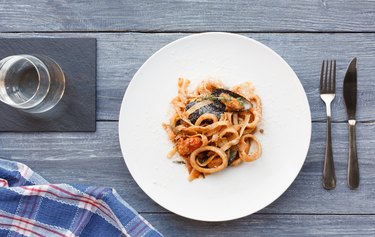
Seafood, like salmon and tuna, are often considered healthy options to include in your diet. Other types of seafood aren't as impressive in terms of omega-3 fatty acids, but they can still be a nutritious addition to your plate. For example, the squid nutrition profile makes it a good addition to a health-conscious diet, as long as it's eaten in moderation and prepared the right way.
Benefits of Squid
Video of the Day
1. It's a Good Source of Heart-Healthy Nutrients
A 4-ounce portion of steamed or boiled squid supplies 482 milligrams of potassium, which is 10 percent of the recommended daily value (DV). Potassium encourages your heart to beat normally and helps keep your blood pressure low, according to the Oregon State University Linus Pauling Institute.
Video of the Day
Potassium is considered a "nutrient of public health concern," meaning that most of us aren't getting enough of it in our diets, per Oregon State University. Low levels of potassium are associated with a higher risk of hypertension and heart disease.
That same serving of squid also has about 2.6 milligrams of vitamin E, which is 17 percent of the amount you need each day. Getting plenty of vitamin E is linked to protection from heart disease because the vitamin makes your cells less susceptible to oxidative damage, according to the National Institutes of Health (NIH). The fat-soluble vitamin is also linked to lower levels of inflammation and the prevention of blood clots.
2. It Has Minerals That Support Immunity and Metabolic Function
A 4-ounce serving of squid will give you 30 percent of your daily value for zinc — a nutrient that's needed for immune and metabolic function, according to the Mayo Clinic. Getting enough zinc also affects your ability to taste and smell, and it helps wounds to heal faster.
3. It's High in Vitamins That Support Brain and Nerve Function
You'll get more than your daily needs of vitamin B12 from a 4-ounce serving of squid. Vitamin B12 is used by the body for the formation of red blood cells, and it's involved in the function of your brain and nervous system, according to the Harvard T.H. Chan School of Public Health.
Vitamin B12 also helps to break down a protein called homocysteine, and high levels of this protein are associated with a higher risk of heart disease, stroke, Alzheimer's, dementia and cognitive decline, per the Harvard T.H. Chan School of Public Health.
Squid also has a decent amount of magnesium, with a 4-ounce serving giving you about 17 percent of your DV. Magnesium helps to regulate muscle and nerve function, blood sugar levels and blood pressure, and it's involved in the formation of our bones and DNA, according to the NIH.
4. It Has Nutrients That Support the Kidneys
Squid is also particularly high in phosphorous, a mineral that helps the kidneys eliminate waste from the body, according to Mount Sinai.
Phosphorous is also used by the body for the growth, maintenance and repair of all tissues and cells, especially bones and teeth, and it helps balance other nutrients in the body like vitamin D, iodine, magnesium and zinc. Phosphorous is also linked to reduced muscle pain after a workout, per Mount Sinai.
5. It's High in Protein and Low in Fat
With 39 grams of protein per serving, squid is a great source of the macronutrient. Eating enough protein is important for the growth and preservation of muscle, bones, joints and skin, according to Piedmont Healthcare. Protein also helps supply oxygen throughout the body, and it plays a role in digestion and hormone regulation.
Some animal proteins can be high in fat, but squid is low in fat and could therefore be considered a more nutritious option.
Risks of Eating Squid
Cholesterol
Squid is high in dietary cholesterol, with a 4-ounce serving giving you 507 milligrams or 169 percent of your recommended daily value.
If you're not considered to be at risk for heart disease, aim to eat less than 300 milligrams of cholesterol daily, per the University of California. If you have or are at risk for heart disease, you should limit cholesterol to 200 milligrams per day.
Sodium
Squid does is naturally high in sodium because it lives in the salty environment of the ocean. A 4-ounce serving of plain squid has about 468 milligrams of sodium, which is 20 percent of your daily limit of 2,300 milligrams.
If you're already on a low-sodium diet or have other risk factors, such as being over the age of 50, you should limit yourself to 1,500 milligrams of sodium per day as recommended by the American Heart Association. Too much sodium is linked to higher blood pressure and a greater risk for heart attack or stroke.
How to Prepare Squid
To add a flavor and a dose of vitamin C, squeeze lemon juice over your cooked squid. Opt for steamed, boiled, baked, sautéed or grilled squid because it's lower in saturated fat and sodium than fried squid.
Add squid to seafood stew, or grill it and slice it over a chef salad in place of grilled chicken or turkey. Stuff cooked squid into corn tortillas and top with tomatoes and avocado for a different spin on the usual fish taco.
- FoodData Central: "Squid"
- FoodData Central: "Fried Squid"
- Harvard School of Public Health: "Fats and Cholesterol: Out With the Bad, In With the Good"
- Linus Pauling Institute: "Potassium"
- National Institutes of Health Office of Dietary Supplements: "Vitamin E"
- American Heart Association: "Sodium (Salt or Sodium Chloride)"
- USDA MyFoodData: Squid Steamed Or Boiled
- Harvard TH Chan School of Public Health: Vitamin B12
- Mount Sinai: Phosphorous
- Mayo Clinic: Zinc
- University of California:Cholesterol Content of Foods
- Piedmont Healthcare: Why is protein important in your diet?