Iron and zinc are two of the most crucial minerals in your diet. While iron supports healthy red blood cells, zinc is essential for a strong immune system. That's why eating foods with iron and zinc is so important.
How Iron and Zinc Interact
Video of the Day
Iron and zinc go hand in hand given their correlating effect on absorption. Iron is essential in oxygenation of red blood cells, while zinc is essential to the production of red blood cells. Together, they ensure that blood is fresh, healthy and new, which makes for overall physical and mental healthy. However, zinc and iron don't always work harmoniously together, so it's important to correctly balance between these two micronutrients.
Video of the Day
According to the Linus Pauling Institute, when a zinc deficiency coexists with an iron deficiency, it can actually exacerbate the iron deficit. If no deficiency exists and you take iron and zinc supplements together, it's possible that the iron supplements will inhibit zinc absorption, which, over time, could lead to a zinc deficiency.
Zinc deficiency is most likely if you're consuming more than 25 milligrams of iron each day. It's important to find foods that are rich in both minerals for natural, noncompetitive consumption.
Foods to Fight Iron Deficiency
One of the fastest ways to cure anemia is to ensure that your diet is full of foods with iron — specifically heme iron (the type derived from hemoglobin and myoglobin in animal food sources which, according to the Linus Pauling Institute, accounts for up to 40 percent of absorbed iron in the body).
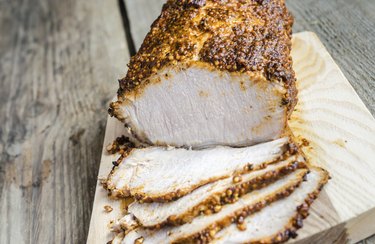
Beef, lamb, pork and whole grains are a few foods that fit the bill. Where, according to the USDA, a 4-ounce portion of beef tenderloin provides 2.46 milligrams of iron, a 4-ounce portion of lamb offers 1.18 milligrams of iron, a 4-ounce portion of pork tenderloin supplies 0.717 milligrams of iron and a cup of cooked barley provides 2.09 milligrams of iron.
While these numbers may not seem high, according to the National Institutes of Health, the recommended daily intake is 8 milligrams for men and between 8 and 27 milligrams for women (increasing for pregnancy and lactation), so it's simple to see how quickly they can add up to a surplus.
Read more: Which Form of Zinc Is Best?
Foods to Fight Zinc Deficiency
Since zinc deficiency is linked with everything from poor wound healing and a compromised skin barrier, to a weakened immune system and impaired mental capacity, adding zinc-rich foods to your diet is a must. Shellfish are one of the easiest ways to do so. In fact, according to the Linus Pauling Institute, shellfish, such as oysters, are among the most zinc-rich foods, supplying as much as 50 milligrams of zinc per six-oyster serving.
Given the NIH recommends a daily intake of 11 milligrams for men and 8 to 13 milligrams for women, with the right foods (and portions) added into your diet, deficiency shouldn't be too much of an issue. However, if it is, there are zinc supplements on the market to help make up for the deficit. In addition to accounting for the nutritional value of the mineral, zinc supplements are said to help with chronic conditions, like diabetes and HIV/AIDS.
Read more: Maximum Zinc Doses
Zinc-Rich Foods for Vegetarians
While shellfish are undoubtedly high in zinc, there are some fruits with iron and zinc, as well as dairy, whole grains, soy products and beans. So if you're looking for less calorie-dense ways to meet your zinc (and even iron) nutrient goals, take note from the Academy of Nutrition and Dietetics and consider stuffing your diet with eggs; soybeans; black, pinto and garbanzo beans; whole grain oatmeal; blueberries; blackberries; pomegranates; and even avocados.
Adding these foods will help, not only to beef up your nutritional yield, but also to ensure that you stay fuller for longer, given their healthy nature. Take California avocados, for example. Their healthy fats contain 0.87 milligrams of zinc per avocado, as well as 0.748 milligrams of iron. That's how satisfying a slice of avocado toast can be.
- Oregon State University: Linus Pauling Institute: "Zinc"
- Oregon State University: Linus Pauling Institute: "Iron"
- Academy of Nutrition and Dietetics: "Foods to Fight Iron Deficiency"
- National Institutes of Health: Office of Dietary Supplements: "Iron"
- National Institutes of Health: Office of Dietary Supplements: "Zinc"
- USDA FoodData Central: "Lamb, New Zealand, Imported, Ground Lamb, Raw "
- USDA FoodData Central: "Beef, New Zealand, Imported, Tenderloin, Separable Lean and Fat, Raw"
- USDA FoodData Central: "PORK TENDERLOIN"
- USDA FoodData Central: "Barley, Pearled, Cooked"
- USDA FoodData Central: "Avocado, Raw"