List of Sugars & Starches
Carbohydrates are your body's main source of energy and should provide most of your daily calorie intake. Fruit, grains and milk are sources of carbohydrates, as are table sugar, cake and soda. The type of carbohydrates found in these foods varies and includes starches and sugars.
Single Sugar Molecules
A single sugar molecule is referred to as a monosaccharide or simple sugar. Glucose, fructose and galactose are simple sugars. Glucose and fructose are sugars found in fruit, honey and processed foods, while galactose is found only in milk. As a single molecule, simple sugars do not undergo any type of digestion and are absorbed through your intestines and into your bloodstream, where they are either used for energy or stored as glycogen for later use.
Two-Sugar Molecules
The Process of Breaking Down Sugar
Learn More
Disaccharides are two simple sugar molecules that are chemically attached. Types of disaccharides include sucrose, lactose and maltose. Composed of glucose and fructose, sucrose is better known as table sugar. Lactose is also referred to as milk sugar and is made up of glucose and galactose. Two glucose molecules make up the disaccharide maltose, which is created through fermentation when making bread or beer. In your body, these sugars undergo enzymatic digestion, which breaks the chemical bond between the two sugars, releasing the simple sugars for absorption.
Multiple Sugar Molecules or Starches
Starch is a type of polysaccharide, which is a long chain of glucose molecules. They are the most common source of carbs in your diet, according to NHS Choices, which means they are a prime source of energy. Cereal grains and starchy vegetables are a source of starch and include foods such as wheat, oats, barley, rice, millet, corn, green peas, pumpkin, plaintains, potatoes and butternut squash. Like the disaccharides, the long chains of glucose molecules are broken down into single molecules in your digestive tract by enzymes for absorption.
Healthy Sugars and Starches
Foods Containing Glucose or Fructose
Learn More
Whether the sugar you eat comes from a natural source such as fruit or from a processed food such as a cookie, your body treats it the same way. But that doesn't mean it's OK to fill your diet with soda and cake for energy. Fruit, milk, potatoes and cereal grains provide a number of essential nutrients your body needs for good health. For example, fruits provide fiber and vitamins A and C, and milk is a good source of potassium, calcium and vitamin D. Overly processed sweets, such as cookies and soda, offer very little nutritional value to your diet.
Related Articles
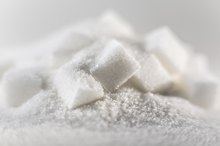
The Process of Breaking Down Sugar
Learn More
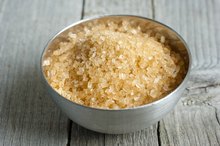
Foods Containing Glucose or Fructose
Learn More

Three Types of Sugars
Learn More

What Happens to Sugar Levels in the Blood While Fasting?
Learn More

What Food Groups Are Carbohydrates Found in?
Learn More

Carbohydrate Needs in Children
Learn More

Do Carbs Make Your Belly Fat?
Learn More
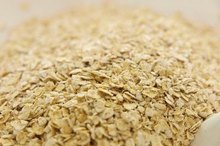
Oats & Carbohydrates
Learn More

Diet for Disaccharide Malabsorption
Learn More

Is Glucose Stored in the Human Body?
Learn More
References
Writer Bio
Jill Corleone is a registered dietitian and health coach who has been writing and lecturing on diet and health for more than 15 years. Her work has been featured on the Huffington Post, Diabetes Self-Management and in the book "Noninvasive Mechanical Ventilation," edited by John R. Bach, M.D. Corleone holds a Bachelor of Science in nutrition.