alexis84/iStock/Getty Images
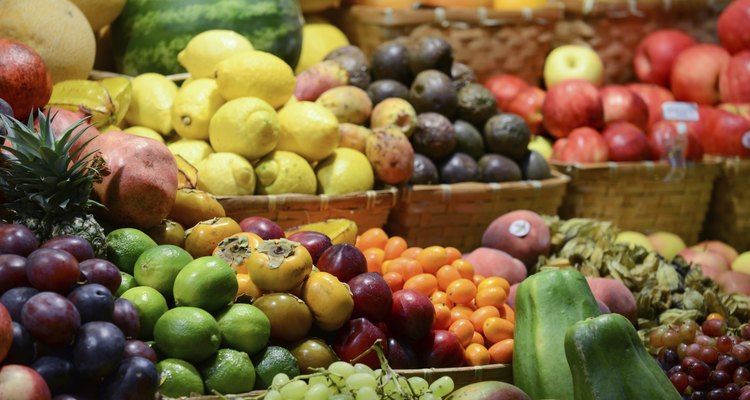
Fruits and vegetables offer benefits beyond their nutrients: They’re also chock-full of natural substances produced by plants called phytonutrients. These phytonutrients protect your health by working as antioxidants. Some of them may also help prevent illnesses such as cancer. The color of your fruits and vegetables makes a difference because the pigments that produce colors are also the phytonutrients.
Red-Colored Antioxidants
Paolo Conti/iStock/Getty Images
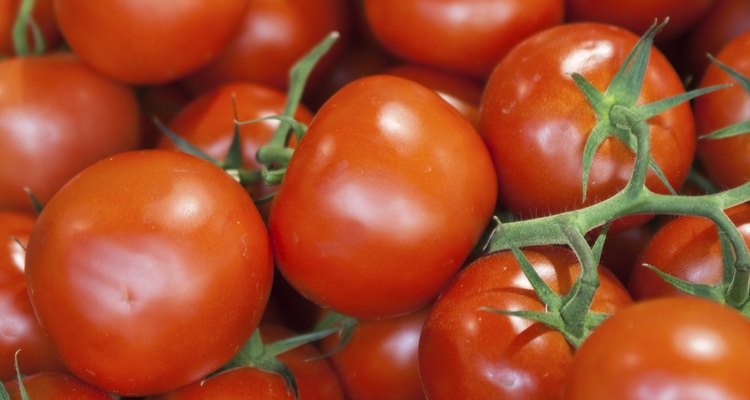
Red fruits and vegetables get their color from lycopene and anthocyanins. Lycopene is associated with the potential to reduce the risk of prostate cancer, but the scientific evidence to date is insufficient to support those benefits, according to NYU Langone Medical Center. However, it is a powerful antioxidant that shows promise for reducing the risk of pregnancy-related high blood pressure and for treating gingivitis. Tomatoes are the best source of lycopene. Strawberries and red raspberries get their color from antioxidant anthocyanins, a group of pigments that also creates blue and purple colors.
Orange and Yellow From Carotenoids
boumenjapet/iStock/Getty Images
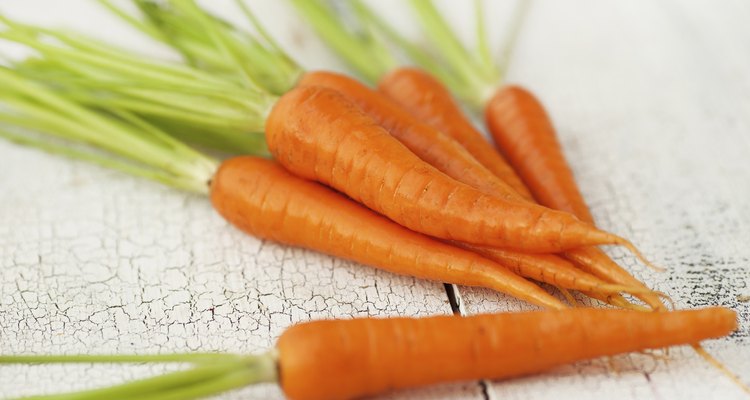
Hues of orange and yellow are the result of carotenoids. Three of the carotenoids -- alpha carotene, beta carotene and beta cryptoxanthin -- provide a different benefit than other phytonutrients: Your body converts them into vitamin A. Two other carotenoids, lutein and zeaxanthin, work only as antioxidants in your eyes, where they absorb blue light before it damages the retina. Some of the top sources of carotenoids include carrots, sweet potatoes and pumpkin. Dark green vegetables, such as spinach, broccoli and green peas, are also good sources. You just can’t see the orange and yellow because they’re hidden by dark green pigments, according to the Linus Pauling Institute.
Healthy Blue and Purple
Fuse/Fuse/Getty Images
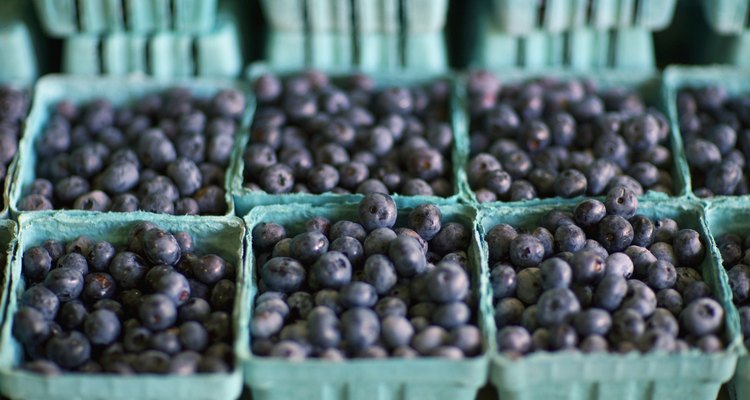
Plant pigments called anthocyanins impart shades of blue and purple, as well as red. The anthocyanins belong to a larger family of phytochemicals called flavonoids. Like all flavonoids, anthocyanins are antioxidants. They may also help prevent cancer by inhibiting the growth of cancerous cells or by stimulating the release of cancer-killing substances. Researchers from the Harvard School of Public Health reported that consuming two to five servings a week of anthocyanin-rich fruits may lower the risk of Type 2 diabetes, according to the April 2012 issue of “The American Journal of Clinical Nutrition.” Blueberries, blackberries, grapes, and juices or wines made from blue and purple fruits contain anthocyanins.
White Is a Pigment, Too
Tatjana Baibakova/iStock/Getty Images
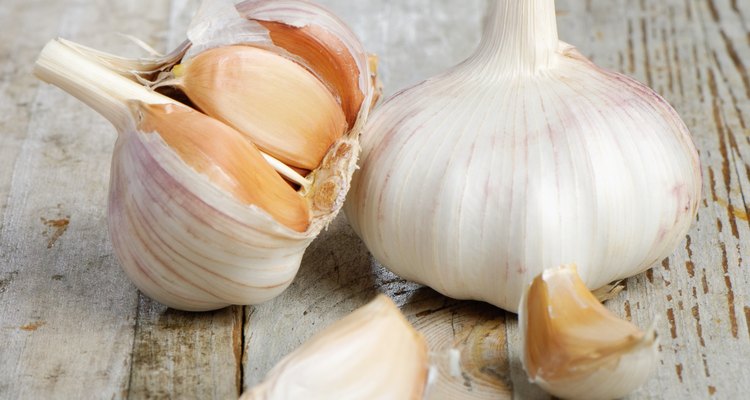
A group of pigments called anthoxanthins is responsible for shades of white to yellow. These phytochemicals belong to the family of antioxidant flavonoids. Some anthoxanthin-containing foods have other potent phytochemicals that aren’t pigments but provide benefits, such as allicin in garlic and onions that helps lower cholesterol. The most abundant plant color comes from green chlorophyll. While it has antioxidant properties and may help prevent colon cancer, more research is needed to verify its potential, according to Columbia Health's Go Ask Alice! website.
Related Articles

Different Types of Fruits & Vegetables

Chocolate and Vitamins
Are Red Plums Good for You?

Vitamins for Mental Alertness

Is an Orange Healthy to Eat for Your ...

Physical Characteristics of the Ruby ...

Kojic Acid for Dark Circles

How to Get Rid of Purple Scars

How Do Yellow Lenses in Ski Goggles ...
What Is the Nutritional Value of ...

What Will Prevent My Blonde Highlights ...

What Color Clothes Makes Brown Eyes ...

Vitamins for Fair Skin
Pomegranate Juice & Acne
How to Lighten Birthmarks
Does a Kiwi Turn Brown?
Fuji Apples Health Benefits
What Is a Pink Amethyst?
Bitter Melon for Acne
Papaya & Acne
References
- North Dakota State University Extension Service: What Color Is Your Food?
- Linus Pauling Institute: Carotenoids
- Linus Pauling Institute: Flavonoids
- Pennington Biomedical Research Center: Pennington Nutrition Series: Anthocyanins
- The American Journal of Clinical Nutrition: Dietary Flavonoid Intakes and Risk of Type 2 Diabetes in US Men and Women
Writer Bio
Sandi Busch received a Bachelor of Arts in psychology, then pursued training in nursing and nutrition. She taught families to plan and prepare special diets, worked as a therapeutic support specialist, and now writes about her favorite topics – nutrition, food, families and parenting – for hospitals and trade magazines.
Photo Credits
alexis84/iStock/Getty Images