
An omnivorous diet includes both plant and animal foods. It's the most common diet among humans, and many other animals are omnivores as well, including many bears, birds, rodents and other small mammals. There are a wide range of omnivorous diets, so generalizations are difficult to make. However, a balanced omnivorous diet provides all necessary nutrients and contributes to health.
Benefits
Video of the Day
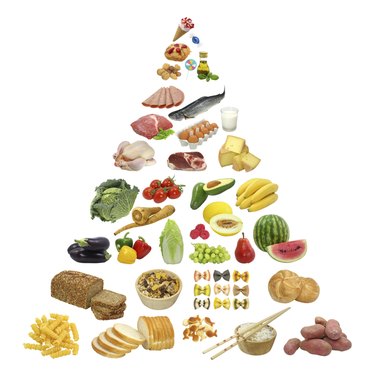
An omnivorous diet that features healthy, wholesome foods provides benefits from both meat and plants. Lean meats supply protein, B vitamins, vitamin E and minerals including magnesium, iron and zinc. Additionally, MyPyramid.gov notes that the vitamins and minerals present in plant-based foods can help guard against obesity as well as fight off conditions including heart disease, stroke, kidney stones, bone loss, diabetes and cancer. Furthermore, the "American Journal of Clinical Nutrition" reports in a 1999 study that participants who followed an omnivorous diet and participated in strength-training exercises gained more fat-free muscle mass than vegetarians who took part in the same exercises.
Video of the Day
Features
Due to the wide amount of variation among omnivorous diets, there's no one standard diet plan that most people follow. Some omnivores are primarily carnivorous and have meat with every meal; others follow a "flexitarian" diet and eat meat only rarely. In the most balanced omnivorous eating plans, meals and snacks contain foods from all five major groups: dairy, protein-rich foods, fruits, vegetables and grains.
Nutrition

Even though omnivores who follow a balanced diet have a high likelihood of getting all of their essential nutrients through the foods they eat regularly, it's still important to be mindful of nutritional concerns. Limiting potentially harmful nutrients such as sodium, cholesterol, trans fat, saturated fat and added sugar can help cut the risk of cardiovascular and other degenerative diseases.
Foods

According to Dr. John McArdle and the Vegetarian Resource Group, omnivores can be described as opportunistic feeders, meaning that they eat whatever is available. For humans, such foods often include convenience items and processed products. Healthier alternatives are whole foods, including meat options such as turkey, chicken, lean deli meat, fish, low-fat ground beef and pork. Dairy items and eggs are also included. Plant-based foods that offer prime nutritional benefits include whole grains as well as fresh fruits and vegetables of all types.
Considerations

Despite the potential advantages, following an omnivorous diet does not guarantee improved health or optimal nutrition. Before adopting any new diet plan, talk with a physician about the details. Eating well as an omnivore involves balance, moderation and mindful nutrition.