Hashimoto's disease is the most common form of underactive thyroid. Specific foods or supplements won't cure this autoimmune disease, but there are some diet recommendations that can support thyroid function and may calm an overactive immune system. So, what's on that grocery list?
Read more: How to Manage Hypothyroidism With Diet and Exercise
Video of the Day
Video of the Day
Boost These Minerals
A study published in February 2019 in Proceedings of the Nutrition Society lists three minerals — iodine, iron and selenium — as key nutrients for thyroid health that are essential to make and metabolize thyroid hormones. Low blood levels of these nutrients are linked with autoimmune thyroid disease, and the authors note that normalizing levels of these nutrients is key to thyroid function.
To boost your levels of these minerals, you could add these foods to your Hashimoto diet food list:
- For iodine: milk and dairy foods, seafood, eggs and iodized salt.
- For iron: meat, fish, cereals, beans, nuts, egg yolks, dark green vegetables, potatoes and iron-fortified foods.
- For selenium: Brazil nuts, meats, seafood and whole grains.
While these foods can safely be included in a Hashimoto's disease diet, the authors caution against overdoing iodine (such as eating too much seaweed or kelp). Too much iodine can have a similar effect on thyroid function as too little iodine.
Diets for Hashimoto’s Disease
Caitlin Beale, RDN, a registered dietitian nutritionist in Sebastopol, California, who specializes in autoimmune conditions, encourages patients to adopt an anti-inflammatory diet pattern, such as the Mediterranean diet, for Hashimoto's. "It helps calm an overactive immune system," she says.
A gluten-free diet is often recommended for Hashimoto's disease, and it's possible it may work for some. However, a review published in August 2020 in Nutrients found its effectiveness has really only been studied in those with both autoimmune thyroid disease and celiac disease.
While the jury is still out, Beale recommends trying a gluten-free as well as a dairy-free diet, at least initially, to see how your body responds in terms of both symptoms and lab markers for thyroid antibodies. She explains, "While not every person with thyroid disease has a gluten sensitivity, research tells us there is a correlation between both non-celiac gluten sensitivity and lactose intolerance and Hashimoto's."
Evidence is growing on the gluten front. A September 2020 study in Endocrine Abstracts notes that gluten irritates and causes inflammation in the thyroid gland. When researchers studied 98 women with Hashimoto's, those who followed a gluten-free diet with selenium supplements for six months had better thyroid function and fewer thyroid antibodies compared to women who took selenium supplements alone.
Try These Foods
For Hashimoto's, Beale favors an anti-inflammatory diet high in healthy fats from:
- Oily fish like salmon, sardines or anchovies
- Olives.
- Avocados.
- Olive oil.
- Nuts and seeds.
And getting fiber and phytonutrients from:
- Fruits, especially berries.
- Vegetables.
- Legumes.
You could also try these meal and snack ideas from Beale, inspired by the Mediterranean diet:
- Tomato-spinach omelet topped with sliced avocado.
- Power bowl with greens, roasted beets, chickpeas and sunflower seeds.
- Grilled salmon with mixed roasted vegetables.
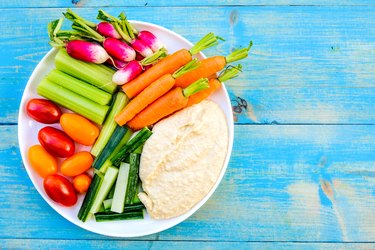
- For snacks: olives, hummus with vegetables, nuts and fruit.
The goal is to incorporate a variety of thyroid-friendly foods into each day.
The Worst Foods for Hashimoto’s
Beale stresses the importance of individualizing your diet to work around food sensitivities. But in general, she recommends steering clear of processed foods that contain these inflammation-promoting ingredients that may worsen thyroid function:
- Canola or soybean oil.
- Added sugar.
There's no solid evidence that specific foods cause Hashimoto's disease, but animal fats and butter may be culprits, according to an October 2017 study in the journal Nutrients. Among 1,887 people, those who ate more of them were more likely to have thyroid antibodies.
In addition, Harvard Health Publishing advises cutting out these inflammation-promoting foods:
- Saturated fats found in animal foods like cheese and meat.
- Microwaveable dinners.
- Dehydrated soups.
- Sweetened cereals.
- Sodas.
- Ice cream.
- White flour-based bread, pasta and baked goods.
For an underactive thyroid, Harvard Health also recommends limiting foods high in soy protein because large amounts of soy may interfere with thyroid hormone absorption.
- Proceedings of the Nutrition Society: “Multiple Nutritional Factors and Thyroid Disease, With Particular Reference to Autoimmune Thyroid Disease”
- Caitlin Beale, RDN, registered dietitian nutritionist; owner, Caitlin Beale Wellness, Sebastopol, California
- Nutrients: “Current Evidence on the Efficacy of Gluten-Free Diets in Multiple Sclerosis, Psoriasis, Type 1 Diabetes and Autoimmune Thyroid Diseases”
- Endocrine Abstracts: “The Effect of Selenium Supplementation and Gluten-Free Diet in Patients With Subclinical Hypothyroidism Affected by Autoimmune Thyroiditis”
- Nutrients: “Dietary Factors Associated With Plasma Thyroid Peroxidase and Thyroglobulin Antibodies”
- Harvard Health Publishing: “Quick-Start Guide to an Anti-Inflammation Diet”
- Harvard Health Publishing: “Healthy Eating for a Healthy Thyroid”
Is this an emergency? If you are experiencing serious medical symptoms, please see the National Library of Medicine’s list of signs you need emergency medical attention or call 911.