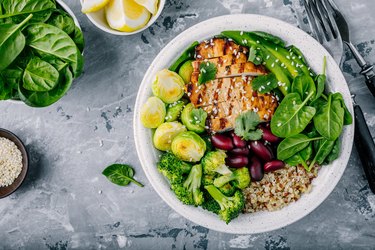
Along with giving yourself lots of rest and recovery time, choosing the right foods after surgery can have a big effect on your healing process.
The best foods to eat after surgery provide your body with the nutrition it needs to create new tissue and reduce your risk of complications, such as an infection or poor wound healing.
Video of the Day
Video of the Day
Once you receive clearance from your medical practitioner to eat solid foods, you'll want to focus on foods that can promote healing after surgery to help recover and build back strength.
1. Protein-Rich Foods
Protein serves as your body's building blocks. When you eat foods that contain protein, your body breaks the nutrient down into its simplest form — amino acids. Your body then reconfigures these amino acids to make new blood vessels, nerve endings, muscle and tissue.
Protein also helps your body fight infection, per Michigan Medicine, while carrying oxygen throughout your body and balancing your body fluids.
The following foods are good sources of protein, per Johns Hopkins Medicine:
Healthy Sources of Protein
- 3 ounces of chicken: 21 grams
- 5 ounces of Greek yogurt: 12 to 18 grams
- 1/2 cup of quinoa: 9 grams
- 1/2 cup of kidney beans: 8 grams
- 1 cup of milk: 8 grams
- 2 tablespoons of peanut butter: 7 grams
- 1 egg: 6 grams
- 1 cup of cooked vegetables: 4 grams
- 1/2 cup of pasta or rice: 3 grams
To help get the protein your body needs for healing, try to include foods high in protein at each meal. For instance, have eggs for breakfast, a quinoa salad with kidney beans for lunch and grilled chicken with veggies at dinner.
2. Foods That Combat Constipation

Constipation is common after surgery due to the effects of anesthesia (which slows down your digestive tract) and the oral pain medication you may be taking, per the Cleveland Clinic.
While you may not have an appetite if you're feeling bloated and full from constipation, it's important to drink and eat to help get things moving.
Adding more fiber-rich foods to your diet may help prevent the after-effects of your surgery (although your doctor may also prescribe a laxative).
However, if you're not used to eating a high-fiber diet, go slow. Too much fiber too fast may exacerbate your constipation. You'll want to aim for 25 to 38 grams of fiber per day, according to the Academy of Nutrition and Dietetics.
Some healthy, fiber-packed foods include:
Healthy Sources of Fiber
- 1 medium avocado: 14 grams
- 1/4 cup flaxseeds: 10 grams
- 1 cup of bulgur: 8.2 grams
- 1/2 cup of cooked kidney beans: 7 grams
- 1 medium pear with skin: 5.5 grams
- 1/2 cup of cooked barley: 4.5 grams
- 1 medium potato with skin: 3.6 grams
- 1-ounce serving of pistachios: 3 grams
In addition to fiber, you also want to make sure you're drinking plenty of fluids following your surgery to prevent constipation. Water makes a good choice. Aim for 12 to 16 cups a day, per the Mayo Clinic.
3. Foods With Nutrients for Wound Healing
When it comes to foods to eat after surgery, you should choose a wide variety from all the food groups so your body gets all the nutrients it needs for health and healing. There are certain nutrients that are especially important for healing after surgery, including vitamin C and zinc.
Vitamin C
Vitamin C is a water-soluble vitamin best known for its antioxidant powers, protecting your cells from oxidative damage, per the National Institutes of Health (NIH). Vitamin C is also essential for the formation of collagen, which is a protein your body uses to make ligaments, tendons, cartilage and skin.
To help your body heal, include plenty of vitamin C-rich foods in your post-surgery diet, such as oranges, broccoli, red peppers, potatoes, tomatoes and cantaloupe. These vitamin C-filled foods are also good sources of fiber, so they offer two benefits in one.
Zinc
Zinc is another nutrient that supports wound healing after surgery by assisting in the production of protein and keeping your immune system in tip-top shape, per the NIH. Many foods rich in zinc are also good sources of protein, including beef, poultry, fish, beans and nuts.
Foods to Eat After Specific Surgeries
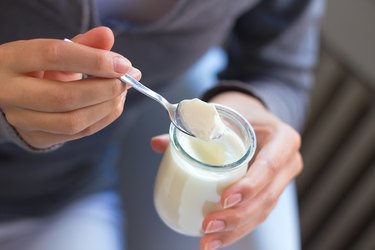
While the foods mentioned thus far tend to help in the recovery process, certain types of surgeries sometimes benefit from a more specifically tailored diet.
1. Foods to Eat Post Colectomy Surgery
A colectomy is a surgical procedure to remove all or part of the colon or the large intestine. If you have colectomy surgery, your doctor may recommend foods that follow a particular colectomy diet. The guidance around nutrition after colectomy surgery may vary depending on the type of colectomy surgery you undergo. So you may be following a more specific partial colectomy diet or one that's designed as a total colectomy diet.
Bowel problems can be common after colectomy surgery, per the University of Tennessee Medical Center. Patients often report diarrhea, constipation, excess gas production and dehydration.
Being careful about what you eat and drink can help address some of these symptoms and it is generally recommended to eat smaller meals at regular intervals.
The following foods are approved for a post-colectomy diet and may help reduce uncomfortable GI symptoms, per the University of Tennessee Medical Center:
Foods to Eat After Colectomy Surgery
- Applesauce
- Peanut butter
- Bananas
- Potatoes
- Boiled white rice
- Pretzels
- Bread or toast
- Sugar-free cereals (Cheerios, Total, Corn Flakes)
- Cheese
- Cream of rice
- Tapioca
- Cream of wheat
- Weak teas
- Fiber supplements
- Yogurt
- Marshmallows
- Pasta
2. Food for Meniscus Repair
After knee surgery, you'll want to focus on eating foods that promote healing, particularly those rich in vitamin C and zinc, as noted above.
As previously mentioned, zinc is found in the highest amounts in meats, with beef products containing the greatest concentration. Foods like oysters, pork and turkey also contain this essential nutrient. Vegetarian sources of zinc include nuts, seeds and nut butters.
Anesthesia and Eating After Surgery
Because of the effects of anesthesia, you may have excessive sleepiness after surgery, especially after general anesthesia. It's also not uncommon to feel nauseous after surgery as your anesthesia wears off.
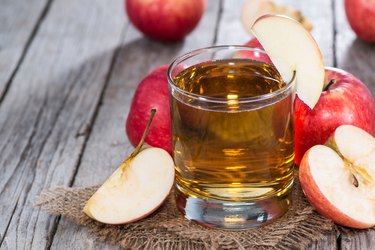
Your post-surgery diet may initially consist of liquids, per the University of Utah. Usually, while you're in the recovery room under observation, you're given ice chips or water. If all goes well, you may then be allowed to drink a clear juice, such as apple juice, and slowly advance to easy-to-digest foods, such as saltine crackers.
Not too long ago, surgeons used to wait to allow people to eat after surgery until the return of bowel activity, which was identified by the presence of bowel sounds or passing gas. In some cases, patients in the hospital would go days without eating.
But according to a March 2017 report in JAMA, delaying food may impair a patient's recovery and lead to more complications. While you probably shouldn't eat a big steak dinner after surgery, good nutrition early is imperative for a faster recovery. The key is to take things slow and follow your doctor's advice.
Always Talk to Your Doctor About Your Post-Surgery Diet
The most important thing to keep in mind about your food choices after surgery is that your doctor knows best. We've shared general advice above on the foods often recommended post-surgery, but what you personally need to eat may depend on many factors, including the type of surgery you're having, your medical history and your overall health.
If you're having weight-loss surgery that reduces the size of your stomach, for example, then you'll need to follow a very specialized diet plan after the procedure, per UCSF Health. This type of diet usually focuses on protein and liquids and may require the use of nutritional supplement drinks.
If you have diabetes, then you not only need to eat foods aimed at helping your body heal, but you also need to pay attention to how your diet affects your blood sugar, per a May 2015 paper in Surgery Research and Practice. Surgery is stressful for your body, and you may notice an increase in your blood sugar numbers.
High blood sugar can delay healing and increase your risk of infection, which means you may need to pay special attention to your diet and blood sugar to keep your numbers in check.
Whatever your situation, make sure to follow the diet instructions provided by your doctor or consult with a registered dietitian.
- JAMA: "Enhanced Recovery After Surgery"
- Centers for Disease Control and Prevention: "Protein"
- Academy of Nutrition and Dietetics: "Easy Ways to Boost Fiber in Your Daily Diet"
- Johns Hopkins Medicine: "Protein Content of Common Foods"
- HelpGuide.org: "High-Fiber Foods"
- Mayo Clinic: "Water: How Much Should You Drink Every Day"
- National Institutes of Health: "Vitamin C"
- National Institutes of Health: "Zinc"
- University of California, San Francisco: "Dietary Guidelines After Bariatric Surgery"
- Surgery Research and Practice: "Guidelines for Perioperative Management of the Diabetic Patient"
- University of Utah: "Eating After Surgery"
- Cleveland Clinic: "How to Manage Post-operative Constipation"
- University of Tennessee Medical Center: "Colectomy"
- Michigan Medicine: "High-Protein Foods for Wound Healing"
Is this an emergency? If you are experiencing serious medical symptoms, please see the National Library of Medicine’s list of signs you need emergency medical attention or call 911.