Having a diagnosis of both irritable bowel syndrome (IBS) and gastroesophageal reflux disease (GERD) can make figuring out what to eat a huge challenge. But you can manage symptoms and enjoy food by following a few key guidelines and paying attention to which foods trigger reactions in your body.
Read more: The Do's and Don'ts of Eating With GERD
Video of the Day
Video of the Day
Understanding IBS and GERD
IBS affects the large intestine, according to the Mayo Clinic. The bowel muscles that move food along this tract may contract irregularly and speed up or slow down the process, varying from person to person. Different foods tend to trigger these reactions, again depending on the person. However, Mayo Clinic says most people with IBS share the same uncomfortable symptoms — cramping or other pain, bloating, gas and diarrhea or constipation, or both.
GERD is related to a weakness in the muscle at the end of the esophagus, known as the lower esophageal sphincter (LES), explains the National Institute of Diabetes and Digestive and Kidney Diseases. The LES is supposed to open and close on cue to let food into the stomach and keep it there along with the normal stomach acid that helps break down food.
If the LES gets weak, however, stomach acid can escape and find its way up the esophagus, says the Mayo Clinic. Too much of this acid reflux creates the burning sensation commonly called heartburn. Certain foods can exacerbate the heartburn feeling, but remember that heartburn is a symptom of GERD and not a disease of its own.
Though IBS and GERD are different conditions, and one does not cause the other, some researchers are looking to see if there is overlap between them, according to a review published in September 2013 in the World Journal of Gastroenterology. One theory is that motor abnormalities may be a common thread between GERD and IBS, specifically an overall dysfunction of smooth muscle movement throughout the gastrointestinal tract.
What to Eat
In general, foods that people tend to avoid when managing IBS symptoms are also among the foods that may trigger GERD symptoms. Although IBS and GERD induce symptoms in different parts of the digestive tract, knowing the diet guidelines for both conditions and following them may help you manage both sets of symptoms.
One popular diet followed to combat IBS symptoms is a low-FODMAP diet. FODMAPs (an acronym for fermentable oligosaccharides, disaccharides, monosaccharides and polyols) are specific carb-based foods that tend to trigger symptoms, notes the Academy of Nutrition and Dietetics.
According to a study published in January 2020 in the Annual Review of Medicine, 52 to 86 percent of participants reported significant improvement of their IBS symptoms when they cut out FODMAPs.
Common diet changes to combat GERD symptoms include avoiding chocolate, fatty foods and carbonated drinks, according to research published in December 2017 in the Turkish Journal of Gastroenterology.
To marry the recommendations for both GERD and IBS, consider avoiding:
- Caffeinated foods and beverages
- Alcoholic beverages
- Carbonated beverages
- Chocolate
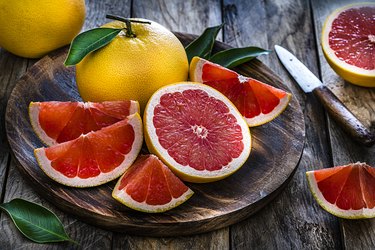
- Citrus fruits like grapefruit
- Fried foods
- Peppermint
- High-fat foods
- Cruciferous vegetables like broccoli and Brussels sprouts
- Garlic, onions and leeks
- Spicy foods
- Tomato-based foods
- Certain sugars like high-fructose
corn syrup
Trigger foods vary from person to person, so keep track of symptoms after eating certain foods to personalize this list. For foods to eat with GERD and IBS, start by building a diet rich in lean proteins, whole grains and "safe" fruits and vegetables. Then you can consider trying out more questionable foods one at a time to see what does or doesn't bother you, according to the Annual Review of Medicine study.
Be cautious about eating a plant-based diet — it may not be the best choice when managing GERD and IBS. "Some people with constipation-prominent IBS have more bowel movements on a plant-based diet since it tends to be higher in fiber than the standard diet," says Chanel Love, RD, LD, a dietitian in private practice in Houston.
"Unfortunately, many people experience worsening of symptoms, which is probably due to the increase in foods high in fermentable carbs (FODMAPs) to compensate for the decrease in animal protein on the diet," Love says.
Paying attention to your own body is the best way to learn which foods may trigger symptoms and help keep you on the right track for success.
- Annual Review of Medicine: “Low-FODMAP Diet for Irritable Bowel Syndrome: What We Know and What We Have Yet to Learn”
- Mayo Clinic: “Irritable Bowel Syndrome”
- Mayo Clinic: Gastroesophageal Reflux Syndrome”
- Chanel Love, RD, LD, dietitian, Houston
- Turkish Journal of Gastroenterology: “The Role of Lifestyle Changes in Gastroesophageal Reflux Diseases Treatment”
- World Journal of Gastroenterology: “Overlap of Functional Heartburn and Gastroesophageal Reflux Disease With Irritable Bowel Syndrome”
- Academy of Nutrition and Dietetics: "What Is the Low FODMAP Diet?"
- National Institute of Diabetes ad Digestive and Kidney Diseases: "Symptoms and Causes or GER and GERD"