Omega-3 fatty acids are dietary fats that naturally occur in many foods, and their consumption has been linked to the prevention and treatment of many diseases and are particularly good for your heart. The three main types of omega-3 fatty acids are α-linolenic acid (ALA), docosahexaenoic acid (DHA), and eicosapentaenoic acid (EPA). ALA is commonly found in plants, but DHA and EPA are typically found in marine foods - particularly fish and shellfish. If you follow a vegetarian or vegan diet, getting enough of these beneficial fatty acids in your diet can be challenging, but not impossible.
Video of the Day
Video of the Day
Sources of Vegan Omega-3
Many plant-based foods have ALA. ALA is a very important omega-3 fatty acid; when it is consumed, a small part of it is converted into DHA and EPA. Few vegan foods have enough EPA and DHA to meet your daily recommended amounts. However, there are two vegan-friendly foods that are good sources of omega-3.
- Marine plants: DHA and EPA are commonly found in marine animals. However, EPA can be found in marine plants, too. Seaweed, especially raw seaweed, is a rich source of plant-based omega-3. Although seaweed is a good source of EPA, it contains no DHA.
- Vegan beverages, including soy milk and juices, are often fortified with DHA. They are naturally rich in ALA.
The United States Department of Agriculture has created a nutrient database that can help you identify foods with omega-3. There are typically very small amounts of EPA and DHA in vegan foods, but they are usually rich in ALA. Some examples of vegan foods with DHA and EPA are:
- Nuts contain EPA, but no DHA. You can consume them raw, toasted, or use them after they have been processed into oils or butter. These have the added benefit of also being rich in ALA.
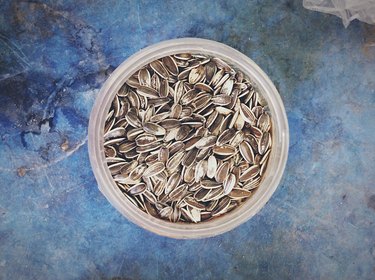
- Seeds, especially sunflower seeds, contain EPA. They can be eaten dried and toasted, used as an alternative to croutons to top salads, or, like nuts, be consumed as oils. These also have the added benefit of also being rich in ALA.
- Certain grain products, including crackers and bread rolls, contain EPA and are also rich in ALA.
Sources of Vegetarian Omega-3
In addition to the examples of vegan omega-3 listed above, there are also sources of vegetarian omega-3.
- Most milk products, including yogurt, cheese, butter, and even certain baby foods containing dairy offer EPA and DHA. Often, these products are supplemented for additional nutritional value.
- Eggs, specifically egg yolks, contain both EPA and DHA. They are one of the best sources of DHA for vegetarians.
Other Sources of Plant-Based Omega-3
Many plant-based foods have ALA, which is converted into DHA and EPA. However, this process is inefficient. In addition, a 1998 study in the International Journal for Vitamin and Nutrition Research showed that ALA typically converts into EPA rather than DHA. This means that vegans and vegetarians are most likely to be deficient in DHA, rather than EPA.
The National Institutes of Health recommends between 1.1 and 1.6 grams of ALA per day. This range is based on factors like age and gender. Vegan omega-3 can be found in seeds and seed oils, like flaxseed oil and chia seeds, as well as nuts and nut oils, like walnuts, edamame and soybean oil. Other sources of ALA include beans, broccoli, canola oil, cauliflower, corn, lettuce, and kale.
According to an interview in the U.S. News and World Report with Walter Willett, chair of the department of nutrition at the Harvard School of Public Health, as long as ALA intake is adequate, your omega-3 levels are likely fine. If you're pregnant or concerned about your omega-3 levels, Willet suggests taking vegan-friendly supplements of omega-3, which are made from algae.
- U.S. News: Fish Oil Supplements, EPA, DHA, and ALA: Does Your Omega-3 Source Matter?
- DHA EPA OMEGA 3 INSTITUTE: DIETARY SOURCES OF OMEGA-3 FATTY ACIDS
- International Journal of Vitamin and Nutrition Research: Can adults adequately convert alpha-linolenic acid (18:3n-3) to eicosapentaenoic acid (20:5n-3) and docosahexaenoic acid (22:6n-3)?
- National Institute of Health: Omega-3 Fatty Acids
- USDA: Food Composition Databases Nutrient Search
- American College of Nutrition: Omega-3 Fatty Acids in Inflammation and Autoimmune Diseases
- Livestrong.com: How Vegans Can Get All Their Nutrients (Without Taking Supplements)
- Livestrong.com: 17 Reasons Why You Probably Need More Omega-3s in Your Diet
- Livestrong.com: Omega-3 Fatty Acids & Peanuts
- Livestrong.com Blogs: Make Your Heart Happy With Omega-3s
- Livestrong.com: The Best Sources of EPA & DHA