



















































A White Tongue With Red Bumps

Your tongue plays an integral role for your body ranging from helping with digestion to helping you be able to taste your food. However, the tongue also is constantly exposed to environmental and internal factors that can cause abnormalities or health problems. One of these problems is the development of a white tongue with the appearance of red bumps on the surface of the tongue tissue.

Yeast-related Causes

A white tongue with red bumps is more commonly associated with a yeast infection inside the mouth, commonly referred to as oral candidiasis or thrush. Oral candidiasis is caused by an infection by a yeast known as Candida albicans. Those who are at a higher risk for an infection from this fungus may include denture wearers, those with diseases such as diabetes or those who have an immunodeficiency such as with HIV/AIDS, drug users, those on antibiotics, pregnant women or those who are on birth control.

HIV-related Causes

In very rare cases, a white tongue with red bumps can be caused by oral hairy leukoplakia. Hairy leukoplakia consists of precancerous legions that develop most commonly on the tongue due to chronic irritation of the tongue tissue. In general, hairy leukoplakia is a sign of infection with the human immunodeficiency virus, or HIV, suggests the National Institutes of Health's Medline Plus, but also can be seen in the elderly or after a bone marrow transplant due to a compromised immune system.

Cancer-Related Causes

Another rare cause of these symptoms includes certain types of cancer, most notably the oral cancers squamous cell carcinoma and verrucous carcinoma. The size and shape of the each cancer-affected area can vary from small bumps to large growths depending on the type and severity of the cancer.

Diagnosis

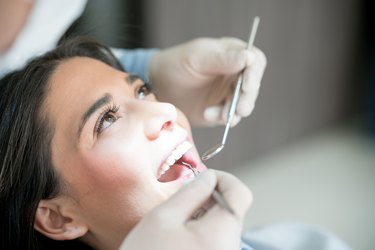
Because there are a variety of causes for a white tongue with red bumps, it's important to involve your physicians to get an accurate diagnosis. This diagnosis may be done in several ways including by sight during an examination, and through taking samples, whether by scraping or by a biopsy of affected tissue.

Treatment

Treatments will vary depending on the actual cause of the issue. Oral thrush is typically treated with anti-fungal medications or by introducing natural bacteria through yogurt or supplements that lessen the impact of the infection. With hairy leukoplakia treatment may include surgical removal or general treatment of whatever health problem may be causing the chronic irritation. With oral cancers, a variety of treatments may be used including removal of the affected areas and radiation. Chemotherapy is typically only used to reduce symptoms associated with oral cancers, suggests the Merck medical library.

References

Article reviewed by Stephanie Skernivitz Last updated on: Nov 28, 2010

Must see: Photo Galleries