
Genital herpes is a common, with 20 million new cases diagnosed each year according to the Centers for Disease Control and Prevention. It is a highly contagious sexually transmitted infection caused by the herpes simplex virus, or HSV. Herpes simplex virus type 2 affects the genital region, and type 1often manifests as cold sores around the mouth. After infection, the virus retreats into the nervous system, where it lies dormant between episodes, according to the Cleveland Clinic. Outbreaks are often triggered by some sort of stressor, including illness, emotional pressure or menses. Diet may also have an effect on the severity and frequency of outbreaks. Always consult your physician to determine the correct therapy for you.
Lysine vs. Arginine
Video of the Day
To minimize herpes outbreaks, reduce the incidence of viral replication. The herpes simplex virus requires the amino acid arginine to metabolize and multiply. According to Murray & Pizzorno's "Textbook of Natural Medicine," another amino acid, lysine, inhibits the action of arginine. Maintaining proper ratios between these amino acids can be an important aspect of managing this condition. Most foods contain some amount of both lysine and arginine. Maximizing lysine intake while minimizing arginine is the goal of dietary treatment of herpes.
Video of the Day
Foods to Avoid

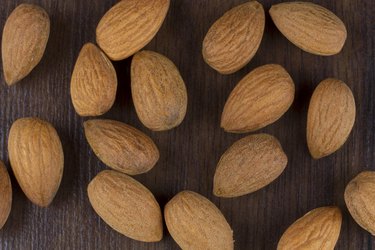
According to Dr. Russell Marz, some foods have a higher amount of arginine and should be avoided at all times. The most aggravating foods are chocolate, peanuts and peanut butter, almonds and almond butter, and caffeine. All nuts and seeds should be avoided, as well as coconut. Other foods should be minimized on a daily basis and eliminated during outbreaks. These include wheat, corn, oats, rice and carob.
Foods to Emphasize

Foods that contain the most lysine in relation to arginine should be eaten regularly. These include vegetables, legumes, eggs, brewer's yeast, wild-caught seafood, and organic or free-range meats, especially turkey and chicken. Dairy products such as yogurt, cheese and butter can also be very beneficial in individuals who do not have an intolerance or allergy to them. These foods can be eaten in especially high quantities during outbreaks. See the Resources Section for a more extensive list of foods along with their lysine-to-arginine ratios.
Enhancing Immune Function

Minimizing the intake of sugar, white flour and processed foods improves overall immune status, also helping to reduce incidence of outbreaks. Genital herpes does not have to dictate your life. Speak with a naturopathic physician to discuss which options may be best suited for you.