ffolas/iStock/Getty Images
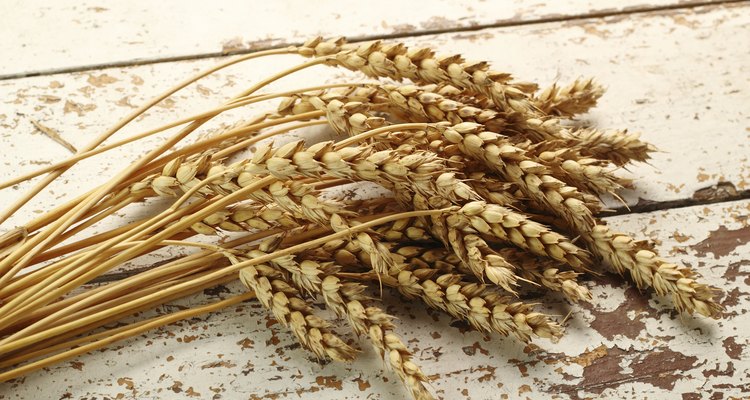
Cracked wheat, a product made by crushing whole raw wheat berries into smaller pieces, is used to add texture to baked goods. You can also use it in place of bread crumbs in meat loaf or as a nutrient-rich side dish. Do not confuse cracked wheat with bulgur -- while both are made in the same way, the wheat kernels in cracked wheat are steamed and toasted prior to crushing.
Calories and Fat
Cracked wheat contains relatively few calories. One popular brand contains 140 calories per 1/4-cup serving. Develop your meal plan to contain 300 to 600 calories per meal -- a nutritious option for serving cracked wheat pairs it as a side dish along with a protein source, such as chicken or fish, and a vegetable. Broccoli, carrots or kale are all good choices for a balanced meal. Five of these calories come from fat, or 0.5 g per portion of cracked wheat. An ideal meal plan contains 44 to 78 g of fat, making cracked wheat a good choice for a low-fat, low-calorie side dish or addition to your recipes.
Iron
A 1/4-cup portion of cracked wheat serves as a good source of iron. A popular brand offers 8 percent of the daily recommended intake of this mineral. The iron in your diet contributes toward the oxygen levels in your body because it helps make red blood cells, which delivery oxygen. Iron you don't need immediately stores in your muscles, liver, bone marrow and spleen; despite your body's capability to stockpile iron when you need it, many people still suffer from an iron deficiency -- the World Health Organization reports that nearly 80 percent of the world's population doesn't consume enough iron, and 30 percent of them have anemia. This medical condition is marked by headaches, dizziness, fatigue and breathing problems.
Protein
The protein you consume plays a critical role in the health of your immune system, fighting infections and keeping you healthy. It also serves as a secondary energy supply and helps you body make hormones and enzymes. Protein is best know, however, for helping you build muscle. A 1/4-cup serving of cracked wheat contributes 5 g of protein to your meal plan, or 8.9 to 10.8 percent of the amount recommended for daily consumption by the Institute of Medicine.
Carbohydrates
Carbohydrates serve as your body's main source of energy -- this macronutrient breaks down into glucose and enters your bloodstream as fuel. Cracked wheat contains 29 g of carbs, nearly one-quarter of the amount you should ingest every day; the Institute of Medicine suggests ingesting 130 g of daily carbohydrates.
Fiber
In addition to keeping your body moving throughout the day, some carbohydrates take the form of fiber, a type of carb your body does not digest. Each serving of cracked wheat has 5 g. Fiber promotes the health of your digestive system and influences your bowel health, helping to decrease your risk of developing hemorrhoids and diverticulitis. Eating a carbohydrate and fiber-rich diet aids in maintaining a steady blood sugar level, preventing spikes that can damage your health.
Related Articles
What Are the Benefits of Great Northern ...
Bulgur Vs. Farro

The Nutrition of 15-Bean Soup
Nutritional Value of String Beans
Red Kidney Beans Nutrition

The Nutritional Value of Norwegian ...
Nutritional Information for Rolled ...

The Nutritional Value of Edamame Beans

Calories in London Broil

Nutrition Information on Blueberries

Potato Leek Soup Nutrition
Flaxseed Meal Nutrition

What Is the Nutrition for Cranberry ...

How to Substitute Wheat Germ for Flour

The Nutrition in Soybean Sprouts

Are Bean Sprouts Good for You?
Calories per Cup of Cooked Navy Beans
Nutritional Value of Dark Pumpernickel ...

How to Iron Tencel Lyocell Pants

Is Zinc Good for Hair Growth?
References
Writer Bio
Nicki Wolf has been writing health and human interest articles since 1986. Her work has been published at various cooking and nutrition websites. Wolf has an extensive background in medical/nutrition writing and online content development in the nonprofit arena. She graduated with a Bachelor of Arts in English from Temple University.
Photo Credits
ffolas/iStock/Getty Images