Gray hair is an inevitable part of the aging process. As you age, your body produces less melanin, the pigment that provides hair color, causing your hair to revert to its natural white color. While a diet rich in fruits and vegetables is key to good overall health, eating more fruits and vegetables will not turn gray hair back to its original color. That said, nutritional deficiencies may lead to premature graying, so eating the right fruits and veggies can help prevent hair from going gray too soon.
Foods With Vitamin B-9
Video of the Day
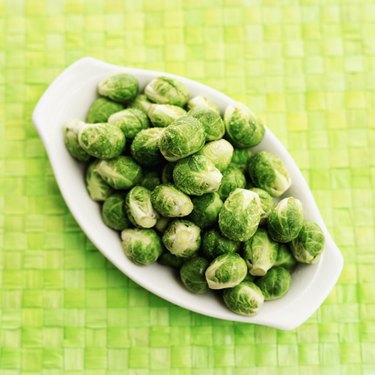
Vitamin B-9, also known as folic acid, is key for colorful hair, as a folic acid deficiency will lead to premature graying. Other symptoms of a folic acid deficiency include tiredness, sores in your mouth, poor growth and a swollen tongue. Adult men and women require 400 micrograms of folic acid per day, while pregnant and breast-feeding women require more, between 500 to 600 micrograms per day for their recommended dietary allowance. Dark leafy greens, such as spinach, are naturally high in folic acid, as are avocados, many legumes, brussels sprouts, root veggies and orange juice.
Video of the Day
Iron-Rich Foods
Spinach, kidney beans, potatoes, lentils, raisins and prunes and prune juice are all good sources of iron. The recommended dietary allowance of iron is 8 milligrams daily for adult men and 18 milligrams for women between the ages of 19 and 50 -- rising to 27 milligrams for pregnant women. According to a study published in 2012 in "Biological Trace Element Research," low iron levels are associated with early graying. Researchers conducting the study were investigating the effects of low copper, zinc and iron levels on early graying.
Copper-Rich Foods
Fruits and vegetables rich in copper include lentils, potatoes, mushrooms, dark leafy greens and dried fruit, like prunes. Copper is needed for certain essential enzymes, including tyrosinase, which is crucial for the production of melanin, the pigment that gives your skin and hair its color. The 2012 study in "Biological Trace Element Research" also found a significant link between low copper levels and prematurely gray hair. The recommended dietary allowance of copper is 900 micrograms per day for adult men and women -- rising to 1,000 for pregnant woman and 1,300 micrograms for breast-feeding women.
Gray Hair and Other Causes
Gray hair is more commonly a result of exposure to toxins and a natural part of growing older. But it can also be a result of hormone imbalances and stress, which can increase the amount of hydrogen peroxide in your hair, causing it to bleach itself. People can get gray hair at any age. In general, when your hair starts turning gray, it is due to genetics -- if your parents' hair turned gray early, it is likely that yours will too.
- Cleveland.com: Gray Hair Hasn't Been Linked to Nutritional Deficiency: You Docs
- Kids Health: Why Does Hair Turn Gray?
- University of Maryland Medical Center: Vitamin B9 (Folic Acid)
- MedlinePlus: Folate Deficiency
- Biological Trace Element Research: Serum Iron, Zinc, and Copper Concentration in Premature Graying of Hair
- Linus Pauling Institute: Iron
- Linus Pauling Institute: Copper
- MedlinePlus: Copper in Diet