Food poisoning causes several symptoms including diarrhea, vomiting, stomach cramps and sometimes a fever or headache. The illness is caused by eating food or consuming beverages that have been contaminated with a bacteria or other toxin, the University of Maryland Medical Center (UMMC) explains. Typical food poisoning is considered to be a mild condition and goes away on its own. There are ways to soothe the symptoms.
Rehydration
Video of the Day
Dehydration can be a very serious complication of food poisoning. Frequent diarrhea and vomiting can lead to a rapid decline of fluids in the body. Hospitalization from food poisoning is usually due to dehydration effects. Replacing fluids is important in preventing this complication and for recuperating. Clear liquids are best, like clear broths or sports drinks that contain sodium and electrolytes, suggests the UMM. Small, frequent amounts of fluid are best. If an individual cannot keep liquids down for more than 24 hours, medical attention is necessary.
Video of the Day
Stomach Soothing
Clear fizzy (carbonated) drinks may help calm the stomach, but sipping one isn't advisable until vomiting has subsided. GrandmasHomeRemedies.com suggests pouring a cola from one glass to another to diminish the carbonation before drinking. This technique is thought to soothe the stomach. Avoid antacids as they can reduce the stomach's ability to fight off the bacteria naturally.
Diet
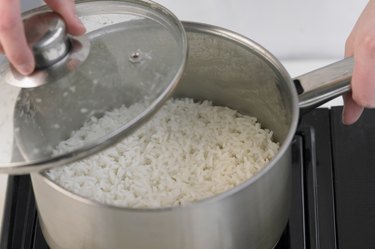
Introduce bland foods once vomiting has subsided. If diarrhea is the only symptom of food poisoning, then eating a bland diet will help firm up watery stools. Examples include bananas, rice, applesauce and toast with small glasses of water. Eating foods containing probiotics, like lactobacillus acidophilus or lactobacillus bulgaricus can help restore the helpful bacteria in the intestine to get the digestive system stabilized, the UMMC suggests. Commercial yogurt products that are marked as containing these healthy bacteria can be helpful.
Pain and Fever Relief
Taking over-the-counter pain relievers and fever reducers is an acceptable way to treat the symptoms of food poisoning. It is best to wait until vomiting has subsided and a small amount of food has been consumed to prevent further stomach irritation.
Prescription Treatment
In more serious cases of food poisoning, such as C. botulinum or eating poisonous foods, antibiotics or antitoxins may be administered under medical care, the UMMC states. Sometimes ipecac syrup or activated charcoal are used to rid the body of serious toxins.
Other Natural Remedies
Mixing 2 tsp. of apple cider vinegar with 1 cup of warm water several times throughout the day may help fight off certain toxins causing the food poisoning. The UMMC points out that medical support for this treatment has yet to be found.
Is this an emergency? If you are experiencing serious medical symptoms, please see the National Library of Medicine’s list of signs you need emergency medical attention or call 911.