
Most U.S. adults take a dietary supplement at some point: 75 percent report turning to these OTC options, according to a 2022 survey conducted by the Council for Responsible Nutrition (CRN).
And considering there are more than 90,000 products on the market, you may be wondering if it's more beneficial to take a daily multivitamin vs. individual vitamins — or both.
Video of the Day
Video of the Day
The answer: It all comes down to your diet.
Why You May Consider Taking a Multivitamin
According to the CRN's survey, a multivitamin ranked as the most popular supplement among adults: 70 percent of respondents reported taking one in the last 12 months.
That usage may be justified — if you're not meeting your recommended dietary intake for certain vitamins and minerals, says Brittany Michels, RDN, LDN, a registered dietitian nutritionist for The Vitamin Shoppe. "I have met very few individuals [who] consistently meet baseline nutritional needs on a daily basis," she says.
People who follow an eating pattern that either eliminates or greatly restricts entire food groups — such as vegan, keto, low-carb, gluten-free or dairy-free — should consider adding a multivitamin to their regimen in order to fill in any nutritional gaps, Michels says.
For example, countless studies found an association between the keto diet and various health issues, including hypoglycemia (abnormally low blood sugar levels), per a June 2022 report in StatPearls.
But nutritional deficiencies related to hypoglycemia might be helped with supplements, including a daily multivitamin that contains vitamins A, C, E, B-complex vitamins and trace minerals, such as magnesium, calcium, zinc and selenium, per Mount Sinai.
"Plus, people who deal with digestive issues, food intolerances and/or malabsorption issues [such as celiac disease] would also benefit from taking a multivitamin," Michels says.
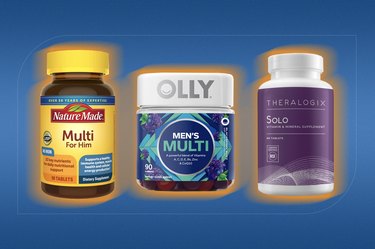
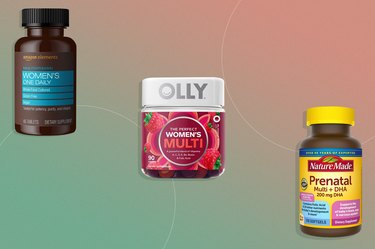
Shop These Multivitamins


Why You May Consider Taking Single Supplements
Once again, your typical food choices will determine the individual supplements that may be helpful in your wellness plan.
"Every restrictive diet has a risk of nutrient deficiencies, and the nutrient levels affected would be based on the restricted or eliminated food group(s)," Michels says. "This is why some find taking single supplements beneficial in meeting baseline nutritional requirements."
For example, the majority of her Midwest clients are deficient in vitamin D, a nutrient our body naturally produces when exposed to sunlight.
"Unfortunately, most multivitamins don't offer enough vitamin D to keep our vitamin D levels in the normal range," Michels says.
Another go-to singular supplement is calcium, as many Americans fail to eat enough calcium-rich foods, she says. "Because calcium binds to many of the minerals in a multivitamin supplement, multivitamins tend to offer low amounts."
In the CRN survey, the most popular specialty supplements were omega-3 fatty acids, probiotics, melatonin and fiber.
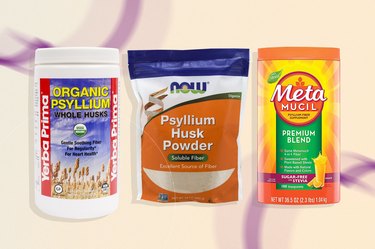
Shop These Single Supplements




The Bottom Line
Multivitamins and single vitamin and mineral supplements can offer essential nutrients that may be missing from your diet.
According to the 2020-2025 Dietary Guidelines for Americans, more than 80 percent of U.S. adults have an eating pattern that is low in vegetables, fruits and dairy, which may mean they're missing vital vitamins and minerals that could be added via supplementation.
While both multivitamins and single supplements can offer nutritional benefits, the National Institutes of Health recommends talking with your doctor on the types of supplements, as well as the proper dosage, that suit your specific needs.
Michels also suggests speaking with a registered dietitian for more guidance. "There's a lot of overwhelming nutrition information out there," she says.
- Mount Sinai: "Hypoglycemia"
- National Institutes of Health: "What You Need to Know"
- Council for Responsible Nutrition: "CRN Reveals Survey Data from 2022 Consumer Survey on Dietary Supplements"
- USDA: "Dietary Guidelines for Americans 2020-2025"
- The Council for Responsible Nutrition: "Dietary Supplement Use Reaches All Time High"
- JAMA Network: "Vitamin and Mineral Supplements"
- The Vitamin Shoppe
- NCBI: "Ketogenic Diet"
- Penn State Hershey Medical Center: "Hypoglycemia"
- Health.gov Dietary Guidelines: "Current Eating Patterns in the United States"
- NIH: "Dietary Supplements: What You Need to Know"