

















Can Exercise Reverse Heart Disease?

Can Exercise Reverse Heart Disease?
Photo Credit Jupiterimages/Photos.com/Getty Images

Multiple studies have shown that exercise can make a significant contribution to heart health and even help reverse the underlying problems that contribute to diseases such as coronary artery disease and atherosclerosis. You should have a medical examination and be cleared by a physician before beginning any exercise program, particularly if have health problems or have not exercised for a long time.

Well-Established Benefits

The benefits of exercise for reversing coronary atherosclerosis have been recognized for decades. In 1990, for example, the results of The Lifestyle Heart Trial reported in the July 21 issue of "Lancet" indicated that moderate exercise combined with a low-fat vegetarian diet, stress management training and giving up smoking reversed damage in more than eight out of 10 patients. The authors concluded that "comprehensive lifestyle changes may be able to bring about regression of even severe coronary atherosclerosis after only 1 year, without use of lipid-lowering drugs."

In 2010, doctors recommend lipid-lowering drugs, statins, particularly when patients either cannot lower their cholesterol levels with lifestyle changes or don't try.

Recent Studies

Jonathan Myers, Ph.D. and his co-authors reported in the February 5, 2008 issue of the American Heart Association's journal "Circulation" that the health benefits of exercise can be seen even when patients have "relatively low fitness levels." Furthermore, the benefits increase with more physical activity or greater fitness.

Writing in the March 31, 2009 issue of the same journal, G. M. Codeluppi, M.D. and colleagues demonstrated that it takes only a month of exercise for heart attack survivors to begin showing improvement in the function of their blood vessels. But the improvements, it is important to note, disappear after a month of inactivity. The study also found that both aerobic and resistance training programs, alone or combined, were safe for patients.

Exercise Recommendations

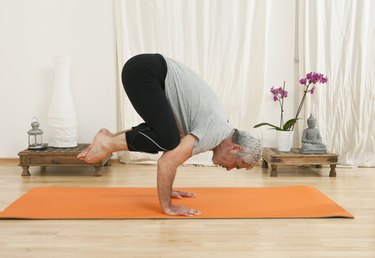
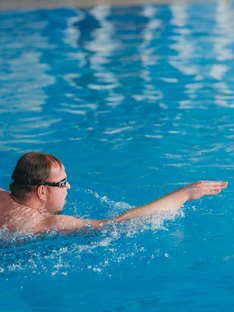
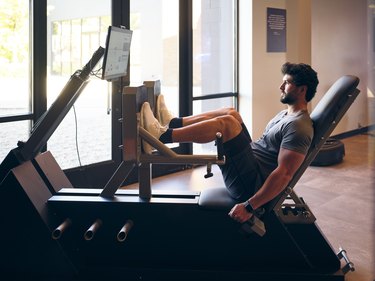
The type and extent of your heart disease will influence the type of exercise program your doctor recommends. The presence of an irregular heartbeat or a heart defect, for example, may limit how much and what type of exercises you should do, according to the Mayo Clinic. Once cleared to exercise by a doctor, you may find that the amount of exercise recommended for preventing or reversing heart disease varies with different sources. The doctors at the Mayo Clinic suggest, if your personal physician agrees, 30 to 60 minutes of exercise, such as brisk walking or an exercise of similar intensity, at least four days per week. These sessions can be broken into multiple 10-minute workouts of moderate intensity if you aren't available for longer periods.

Supplementing Exercise

Recommendations for exercise to improve heart health are typically included as part of a group of lifestyle changes. Since many factors contribute to heart disease, it makes sense to target as many of these changes as possible to get the most benefit from your exercise program. For example, the Mayo Clinic suggests that anyone who wants to prevent or improve the health of her heart should--in addition to exercising--stop smoking, and keep stress and cholesterol levels, diabetes, body weight and blood pressure under control.

Other lifestyle changes likely to complement the benefits of exercise include eating a healthy diet, maintaining good hygiene, getting flu shots and regular medical exams.

References

Article reviewed by Lisa Michael Last updated on: Dec 9, 2010

Must see: Photo Galleries