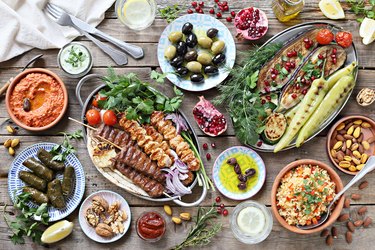
Thousands of expecting mothers develop diabetes during pregnancy. A personalized, gestational diabetes diet can help balance your blood sugar levels and prevent complications. Simple dietary changes, such as cutting back on sugar and eating smaller, more frequent meals, can make all the difference.
What Is Gestational Diabetes?
Video of the Day
Up to 10 percent of pregnant women in the U.S. are diagnosed with gestational diabetes each year, according to the Centers for Disease Control and Prevention (CDC). This condition occurs when the body doesn't produce enough insulin. Most times, it has no symptoms.
Video of the Day
Gestational diabetes rates are increasing worldwide, as reported in a March 2018 review published in the Journal of Diabetes Research. Treatment usually involves dietary and lifestyle changes. In severe cases, insulin therapy may be required.
Although this disorder is often asymptomatic, it may cause serious complications later down the road. According to the above review, women with gestational diabetes are at greater risk for pregnancy complications, Type 2 diabetes and excessive fetal growth. Their babies are more likely to have obesity and/or develop diabetes later in life.
If left untreated, gestational diabetes can lead to high blood pressure and low blood sugar. These conditions can increase your risk of stroke, seizures and premature delivery, as the CDC points out. Hypoglycemia, or low blood sugar, can be fatal for your baby.
The CDC and health organizations worldwide recommend that women get tested for diabetes six to 12 weeks after giving birth. During pregnancy, it's crucial to monitor your blood glucose levels, stay active and eat a balanced diet. If you have gestational diabetes, reach out to a dietitian who can create a custom meal plan that meets your individual needs.
Potential Causes and Symptoms
As mentioned earlier, gestational diabetes rarely has any symptoms. However, some women may experience increased thirst, recurring infections, fatigue and blurred vision, according to the American Pregnancy Association. In general, expecting mothers are tested for this disease in the second or third trimester of pregnancy — or earlier, if they're at risk for developing gestational diabetes.
Certain factors, such as having overweight or obesity, may contribute to this condition, as the Mayo Clinic notes. Your age matters, too. Women under 25 are less likely to develop diabetes during pregnancy. If your parents or siblings have diabetes, you may also be at risk.
According to the CDC, about half of all women who develop this disease while pregnant are diagnosed with Type 2 diabetes later in life. But it doesn't have to be this way. A balanced diet combined with regular exercise can help you slim down and lower your risk of diabetes after delivery.
Adequate nutrition is essential for good health — and it becomes even more important during pregnancy. What you eat and drink has a direct impact on your unborn child. A July 2019 cohort study published in the Journal of Human Nutrition and Dietetics found that switching to a healthy diet can improve maternal and neonatal health outcomes for expecting moms with gestational diabetes.
Try the Mediterranean Diet
One way to lower your risk of developing gestational diabetes is to adopt a Mediterranean-style diet. This eating pattern promotes the consumption of fresh fruit, vegetables, olive oil, fatty fish, nuts, seeds, lean protein and other whole foods. According to the experts at Harvard Health Publishing, Mediterranean-type diets may help protect against chronic diseases, mental disorders, stroke, cardiac events and early death.
This dietary pattern benefits pregnant women, too. A clinical trial featured in PLOS Medicine in July 2019 found that Mediterranean-style diets didn't reduce the risk of pregnancy complications, but helped women achieve a healthier weight and lowered their odds of gestational diabetes by 35 percent.
The subjects ate less red meat and dairy products and more nuts, whole grains, fruits, veggies, legumes and fish. They also reduced their intake of animal fats, junk food and soda. Here's what a 28-day Mediterranean diet plan looks like.
Switch to Low GI Diet
Watch your carb intake during pregnancy, especially if you have gestational diabetes. High-carb diets increase blood sugar levels, which may lead to fetal hyperinsulinemia and pregnancy complications. A low-carb diet, on the other hand, may help reduce weight gain during pregnancy and improve glucose tolerance, as reported in a clinical trial published in the BMJ in August 2012.
A recent review featured in the July 2019 edition of the journal Nutrients assessed the impact of carbohydrates on women with gestational diabetes. As the researchers note, low glycemic index (GI) diets may help improve blood lipids and fasting blood sugar levels in expecting mothers.
The glycemic index measures the rate at which the sugar in foods increases blood glucose levels. High GI foods, such as white bread, white rice and corn flakes, may cause blood sugar spikes. Non-starchy vegetables, whole grains, legumes and other low GI foods contain complex carbs that are slowly absorbed into the bloodstream.
Read more: 4 Food Tips If You Have Gestational Diabetes
Unfortunately, there is no one-size-fits-all approach to diabetes management in pregnancy. A gestational diabetes meal plan that works for your friend might not work for you. That's why it's important to discuss your needs with a dietitian.
In fact, a February 2017 research paper published in the Cochrane Library reviewed different dietary approaches for women with gestational diabetes. After analyzing several studies and clinical trials, researchers concluded that most were inconsistent, inaccurate or too small. Therefore, it's hard to say what approach works best.
Gestational Diabetes Diet Tips
There are a few things you can do to improve your diet before seeing a nutritionist. First, cut out junk food, sugary foods, soft drinks and processed meat. Increase your fiber intake to keep your blood sugar stable and to stay full longer. Fill up on nutritious foods and watch your calorie intake.
Read more: 10 Foods You Don't Realize Are Packed With Sugar
Pregnancy isn't the best time to go on a weight loss diet. Your body needs more calories than usual, according to the Academy of Nutrition and Dietetics. However, this doesn't mean you should eat for two. Moderation is the key.
If you're a healthy weight before getting pregnant, aim for 2,200 to 2,900 calories per day. Add an extra 340 calories per day during the second trimester and another 110 in the third trimester. For example, if your diet provided 2,000 calories before pregnancy, you should get around 2,340 calories per day in the second trimester and 2,450 calories a day in the third trimester.
Not all calories are created equal, though. To stay healthy, fill your plate with lean meat, fish, veggies, legumes, low-fat dairy, avocado, berries and unprocessed grains. Nuts and seeds make excellent snacks between meals. Watch your portions and try not to exceed your daily calorie goals.
Read more: The 10 Best Foods to Beat Your Sugar Cravings
A gestational diabetes diet plan is based on the principles of healthy eating. Consume whole foods, cut out processed products and eat mindfully. Consider switching to a Mediterranean-style eating pattern and limit simple sugars. Opt for foods with a low or moderate glycemic index, fill up on fiber and drink plenty of water to avoid dehydration, a contributing factor to high blood sugar.
- CDC: "Gestational Diabetes"
- Journal of Diabetes Research: "Temporal Trends in Gestational Diabetes Prevalence, Treatment, and Outcomes at Aarhus University Hospital, Skejby, Between 2004 and 2016"
- CDC: "Gestational Diabetes and Pregnancy"
- American Pregnancy Association: "Gestational Diabetes"
- Mayo Clinic: "Gestational Diabetes"
- Journal of Human Nutrition and Dietetics: "Associations of Dietetic Management With Maternal and Neonatal Health Outcomes in Women Diagnosed With Gestational Diabetes: A Retrospective Cohort Study"
- Harvard.edu: "Adopt a Mediterranean Diet Now for Better Health Later"
- NCBI: "Mediterranean-Style Diet in Pregnant Women With Metabolic Risk Factors (ESTEEM): A Pragmatic Multicentre Randomised Trial"
- NCBI: "Carbohydrate Content in the GDM Diet: Two Views: View 2: Low-Carbohydrate Diets Should Remain the Initial Therapy for Gestational Diabetes"
- NCBI: "Low Glycaemic Index Diet in Pregnancy to Prevent Macrosomia (ROLO Study): Randomised Control Trial
- MDPI: "Gestational Diabetes Mellitus: The Impact of Carbohydrate Quality in Diet"
- American Diabetes Association: "Glycemic Index and Diabetes"
- Cochrane Library: "Different Types of Dietary Advice for Women With Gestational Diabetes Mellitus"
- Joslin Diabetes Center: "How Does Fiber Affect Blood Glucose Levels?"
- Academy of Nutrition and Dietetics: "Healthy Weight During Pregnancy"
- CDC: "10 Surprising Things That Can Spike Your Blood Sugar"
Is this an emergency? If you are experiencing serious medical symptoms, please see the National Library of Medicine’s list of signs you need emergency medical attention or call 911.