Nobody likes to talk about hemorrhoids, but many people will experience them at some point — 50 percent of adults by age 50, reports the U.S. National Library of Medicine. There is no prescribed diet for hemorrhoids sufferers, but low-fiber, spicy or dehydrating foods should be limited or avoided.
Limit Low-Fiber Foods
Video of the Day
A low-fiber diet is one of the primary causes of hemorrhoids, according to the Cleveland Clinic. Dietary fiber from plant foods helps normalize bowel movements. When consumed in low amounts, it may lead to constipation. Straining to pass hard stool can cause the veins around the anus to stretch and swell, leading to the pain, inflammation, irritation and bleeding associated with hemorrhoids.
Video of the Day
Many adults don't meet the recommended daily intake of 25 grams of fiber for women and 38 grams for men, according to the Dietary Guidelines for Americans. Reducing your intake of low-fiber refined and processed foods and filling up on fiber-rich fresh fruits and vegetables and whole grains can help you meet these goals.
Some high-fiber foods for hemorrhoids treatment include:
- Navy beans — 19 grams per cup
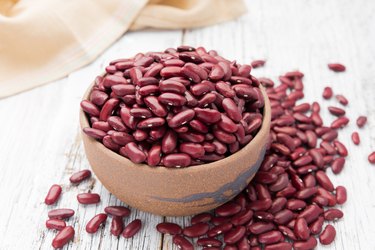
- Kidney beans — 16.5 grams per cup
- Split peas — 16.3 grams per cup
- Lentils — 15.6 grams per cup
- Avocados — 15.6 grams per cup, mashed
- Chia seeds — 9.8 grams per ounce
- Raspberries — 8 grams per cup
- Guavas — 8.9 grams per cup
- Acorn squash — 9 grams per cup, cubed
- Sweet potatoes — 8.2 grams per cup, mashed
- Broccoli — 5.1 grams per cup, cooked, chopped
If you aren't able to eat enough high-fiber foods, consider using an over-the-counter supplement like psyllium powder. According to Harvard Health Publishing, psyllium husk and wheat dextrin can be effective. Your goal should be to increase your dietary intake gradually and decrease your reliance on the fiber supplement.
Increase your fiber intake slowly over several days or weeks. Doing so too quickly may result in gas, bloating and abdominal pain. Also, remember to drink plenty of water. Dehydration may lead to constipation, which will worsen hemorrhoids.
Another reason to increase your fiber intake slowly is that too much fiber may cause diarrhea. Frequent bathroom runs can further irritate and worsen hemorrhoids.
Read more: Top 10 Healthiest Fruits & Vegetables
Diet for Hemorrhoids Sufferers
Caffeine, alcohol and spicy foods have all been linked to this condition. Spicy foods don't cause hemorrhoids, but they may irritate anal fissures, according to the University of Chicago Medicine.
When you're having a hemorrhoid flare-up, it's best to stick to milder foods until the anal tissues have healed. Spicy foods offer health benefits when consumed in moderation, so unless your doctor advises you to cut them out, you don't need to avoid them all the time.
According to the Cleveland Clinic, alcoholic and caffeinated beverages promote dehydration, which is one of the leading causes of chronic constipation. It's important for everyone to maintain proper hydration, but even more so if you're prone to constipation and hemorrhoids.
Limit your intake of caffeine and alcohol and drink at least 64 ounces of water or other unsweetened, non-caffeinated beverages daily, recommends the University of Iowa Hospitals & Clinics. Hydration can also come from eating water-rich vegetables and fruits, such as cucumbers, melons and leafy greens, which are also good sources of fiber.
Read more: The 18 Most Nutritious Vegetables
- U.S. National Library of Medicine: "Hemorrhoids"
- Cleveland Clinic: "Hemorrhoids"
- Mayo Clinic: "Dietary Fiber: Essential for a Healthy Diet"
- Health.gov: "Dietary Guidelines for Americans, 2015-2020: Appendix 7. Nutritional Goals for Age-Sex Groups Based on Dietary Reference Intakes and Dietary Guidelines Recommendations"
- USDA: "200 Vegetables Highest in Fiber"
- Cleveland Clinic: "Improving Your Health With Fiber"
- University of Chicago Medicine: "A Hot Topic: Are Spicy Foods Healthy or Dangerous?"
- Cleveland Clinic: "Dehydration"
- University of Iowa Hospitals & Clinics: "Hemorrhoids"
- USDA: "17 Vegetables Highest in Water"
- Harvard Health Publishing: "How to Soothe Hemorrhoids"
Is this an emergency? If you are experiencing serious medical symptoms, please see the National Library of Medicine’s list of signs you need emergency medical attention or call 911.