
Requirements for a Strong Safety in Football
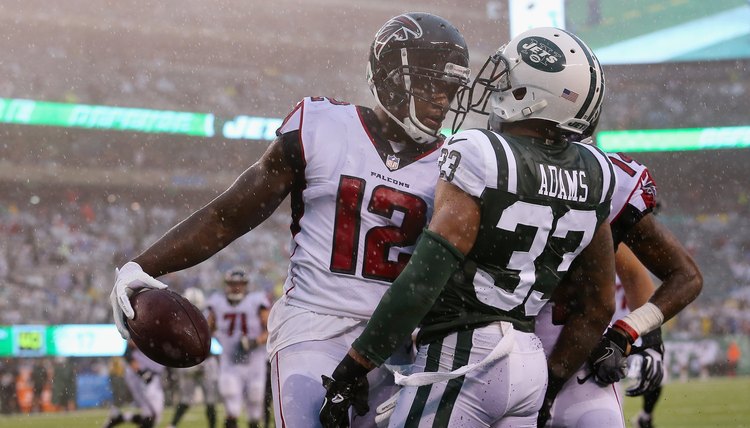
Football players playing defense in American football require exceptional athletic ability, especially at the safety position. The safety acts as the last line of defense among the defensive backs.There are two separate safety football positions: the strong safety and free safety. The strong safety must be among the most athletic and instinctive players on the field.
He must be able to attack ball carriers on running plays, cover receivers who try to go deep in man coverage on passing plays and use his instincts to force turnovers and make plays on the ball as a tackler.
What is a Strong Safety?
A strong safety is the defensive position that covers the strong side of the offense on a football team, covering both the pass and run. The strong safety plays closer to the line of scrimmage than the free safety. Here are the four main responsibilities of a strong safety.
- Run Support against halfbacks and fullbacks
- Pass Coverage and tackle receivers
- Blitz the Quarterback
- Make a Big Play on offensive players with the football
What is the difference between a Free Safety and a Strong Safety?
1. A Free Safety is generally smaller and faster in the open field and often has better coverage skills against outside receivers. Strong safeties mostly matchup against slot receivers in the middle of the field.
2. A Strong Safety is generally the more veteran player on the football field. This is because the strong safety has more responsibility in the run game and needs to do more than just cover in the passing game.
What does a Strong Safety do in Run Support?
A strong safety has to keep the opponent from making any long plays running the ball.
Defensive linemen try to keep the offensive line from opening major holes for the backs to exploit. Linebackers make most of the tackles. But the strong safety must be there to make sure the running back does not get more than 5 yards past the line of scrimmage.
The strong safety can take a running start and get to the running back unblocked. As a result, he can hit him with a very hard tackle. In addition to putting the back on the ground, the strong safety may try to separate the back from the ball because of the force of the hit.
What does a Strong Safety do in Pass Coverage?
The strong safety often has the primary coverage responsibilities on the tight end, who is often used on third downs to keep drives alive; stopping him is a very important aspect of playing defense.
The strong safety also has the responsibility of stopping the deep pass. While he usually won't have one-on-one coverage responsibilities on a wide receiver, he will have to provide zone coverage, with the primary responsibility of keeping the opponent from catching anything deep. If the strong safety can track the ball, he can make a play on it and knock it away or intercept it.
Freelance Player
The best strong safeties do more than just take care of their primary responsibilities. Good strong safeties read the formation of the offense, the body language of the backs and receivers and the eyes of the quarterback.
Through film study, a smart strong safety knows the opponent's tendencies. As a result, the strong safety may attack the opposing backfield and blitz the quarterback from any side of the field. This is a high-risk, high-reward play that could result in a sack, a deflected pass or a turnover at a key moment.
Expert Insight
A strong safety must also be a coach on the field, directing teammates where to go on certain plays and advising them who the most dangerous receivers and running backs are on a particular play. This aspect may be minimal in non professional leagues, like high school and college.
Hall of Famer Ronnie Lott played strong safety, free safety and cornerback in his 14-year career with the 49ers, Raiders and Jets. "It's not enough to be out on the field and make tackles and defense passes," Lott said. "I always felt that my job was to make a big play when we needed it. Whether it's force a fumble, make an interception or come on a blitz, I took it as my responsibility as a strong safety to make something happen."
Greatest Safeties of All Time
1. Ronnie Lott
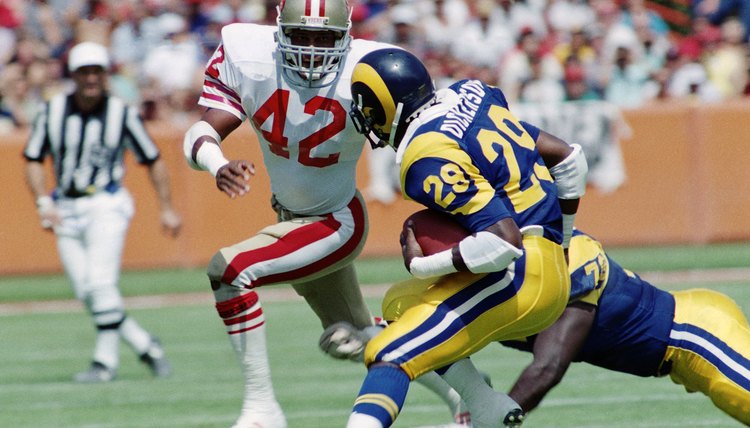
- Career Stats: 1,146 tackles, 63 interceptions, 730 int. return yards, 16 forced fumbles
- Accolades: 4x Super Bowl Champion, 8x First Team All-Pro, 10x Pro Bowl, NFL 75th Anniversary Team, NFL 100th Anniversary Team
In his rookie season, Ronnie Lott helped lead the 49ers to win Super Bowl XVI by becoming only the second rookie in NFL history to record 3 interceptions for touchdowns. Arguably Lotts’ best season was in 1986, when he totaled a league-leading 10 interceptions, 77 tackles, three forced fumbles and two sacks in just 14 games, missing the last two due to injury.
2. Ed Reed
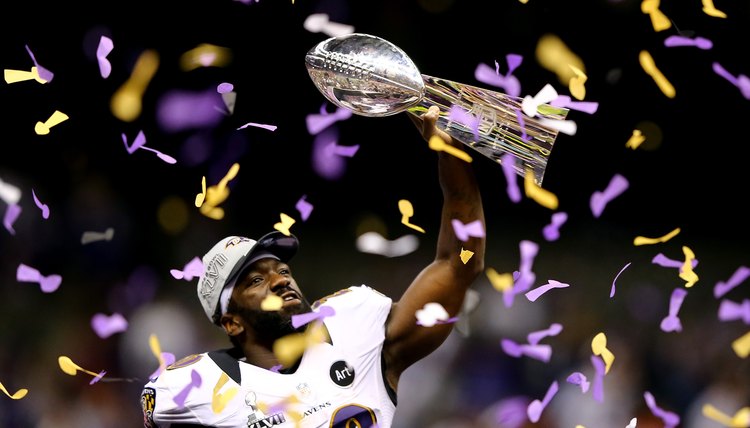
- Career Stats: 643 tackles, 73 interceptions, 1,590 int. return yards (NFL record), 11 forced fumbles
- Accolades: Super Bowl Champion, NFL Defensive Player of the Year, 5x First Team All-Pro, 9x Pro Bowl, NFL 100th Anniversary Team
One of the most dominant defensive players in the modern era, and perhaps the best safety of the modern era, Ed Reed’s impact was felt immediately in his rookie season by leading the Ravens in interceptions with five, a stat he would lead the organization in for seven of his 11 years with the team. One of Reed’s most memorable performances came in one of the biggest games of his career, when he totaled five tackles, one pass defended, and one interception in a 34-31 Super Bowl XLVII victory over the 49ers.
3. Brian Dawkins
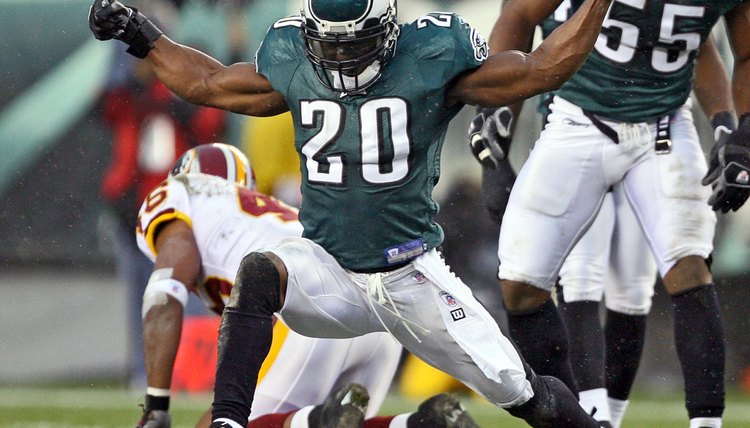
- Career Stats: 1,147 tackles, 37 interceptions, 26.0 sacks, 36 forced fumbles
- Accolades: 4x First Team All-Pro, 9x Pro Bowl, NFL 2000s All-Decade Team
Brian Dawkins’ remarkable career is highlighted by being a member of the Exclusive NFL Defensive Club, meaning that he recorded at least 35 career interceptions and 20 career sacks in the 16 seasons that he played.
4. Paul Krause
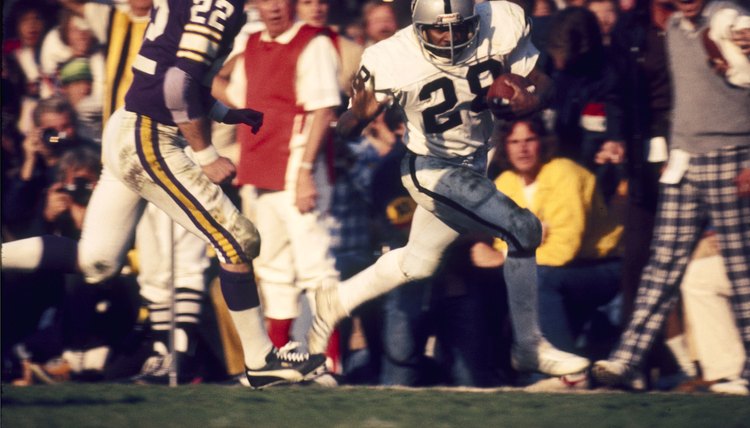
- Career Stats: 81 interceptions (NFL record), 1,185 int. return yards, 6 defensive touchdowns
- Accolades: 3x First Team All-Pro, 4x Second Team All-Pro, 8x Pro Bowl
As a rookie, Paul Krause lead the NFL in interceptions (12) and was named to the All-NFL first team. From there, Krause would continue on to become the NFL’s all-time leader in career interceptions with 81, and miss only two games due to injury in his remarkable 16–year NFL career.
5. Emlen Tunnell
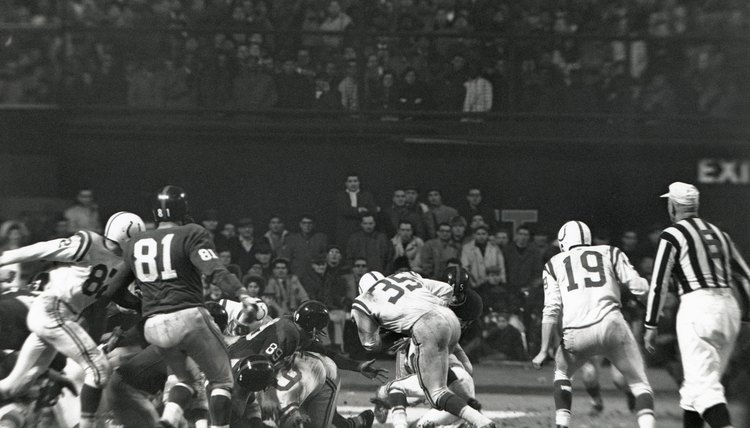
- Career Stats: 79 interceptions, 1,282 int. return yards, 2,209 punt return yards
- Accolades: 2x NFL Champion, 6x First Team All-Pro, 9x Pro Bowl, NFL 50th Anniversary Team, NFL 100th Anniversary Team
Emlen Tunnell is not only remembered as being one of the most dominant safeties to ever play football, but he was also a monumental figure as the New York Giants’ first African American player, as well as the first African American to be inducted into the Pro Football Hall of Fame.
6. Troy Polamalu
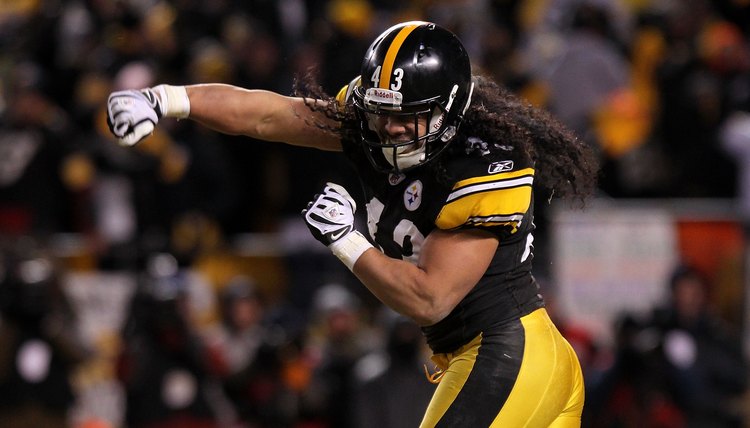
- Career Stats: 783 tackles, 32 interceptions, 12 sacks, 14 forced fumbles, 107 pass deflections, 5 defensive touchdowns
- Accolades: 2x Super Bowl Champion, NFL Defensive Player of the Year, 4x First Team All-Pro, 8x Pro Bowl
Troy Polamalu is another modern-day NFL legend who played a huge role in the Pittsburgh Steelers’ Super Bowl victories in the early 2000s. One of his most memorable highlights was a 40-yard pick six late in the 2008 AFC Championship, a win that would move the Steelers one step closer to winning Super Bowl XLIII.
7. Steve Atwater
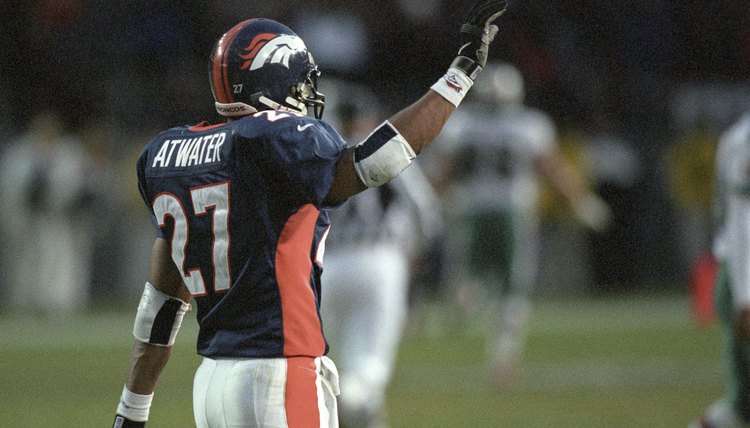
- Career Stats: 1,180 tackles, 24 interceptions, 408 int. return yards, 5 sacks
- Accolades: 2x Super Bowl Champion, 2x First Team All-Pro, 8x Pro Bowl, NFL 1990s All-Decade Team
Making an immediate impact on the Broncos’ defense in his rookie year, Steve Atwater was a huge part of the team going from 20th in points allowed the previous year to 1st in points allowed. The Broncos’ Atwater-lead defenses would propel them to two Super Bowl titles during his outstanding 11-year NFL career.
8. Larry Wilson
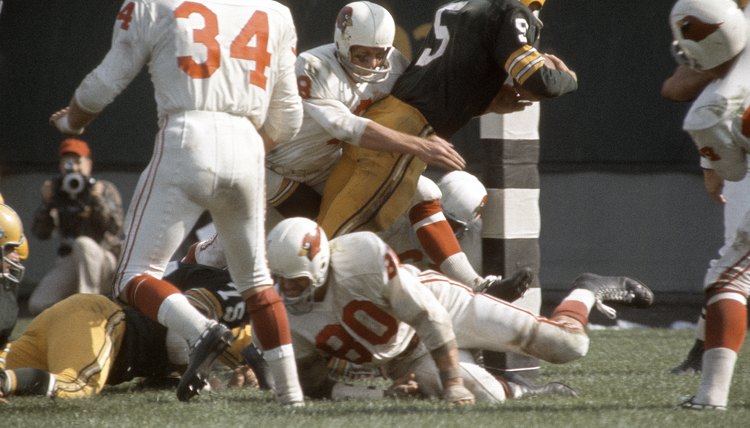
- Career Stats: 52 interceptions, 800 int. return yards, 5 defensive touchdowns
- Accolades: NFL Defensive Player of the Year, 6x First Team All-Pro, 8x Pro Bowl, NFL 75th Anniversary Team, NFL 100th Anniversary Team
Larry Wilson was among the players that opposing offenses greatly disliked competing against the most during his 13-year NFL career simply because he was all over the field at all times. At one point during the 1966 season, Wilson recorded an interception in seven straight games while on his way to leading the league with 10 total on the year.
9. Willie Wood

- Career Stats: 48 interceptions, 699 int. return yards, 2 defensive touchdowns
- Accolades: 5x NFL Champion, 2x Super Bowl Champion, 5x First Team All-Pro, 8x Pro Bowl, NFL 1960s All-Decade Team
Willie Wood was the cornerstone of a dominant Packers defense that won several Championships in the 1960s, finishing his career with an incredible 48 interceptions while also being one of the best punt returners in the league year after year.
10. Ken Houston
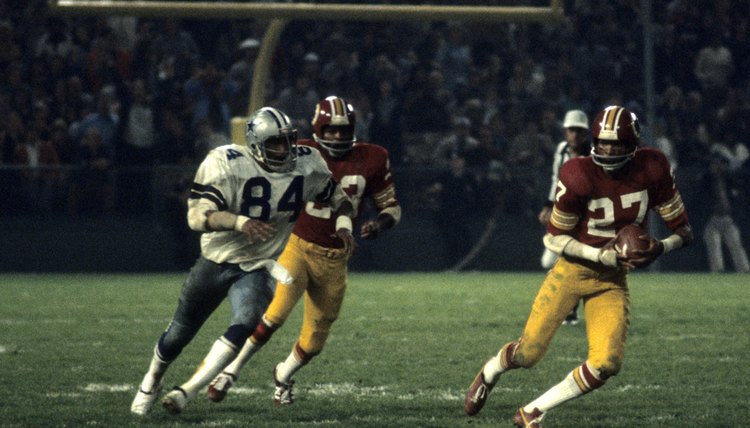
- Career Stats: 49 interceptions, 898 int. return yards, 21 fumbles recovered, 12 defensive touchdowns
- Accolades: 2x First Team All-Pro, 10x Second Team All-Pro, 12x Pro Bowl, NFL 75th Anniversary Team, NFL 100th Anniversary Team
Ken Houston found just about every possible way for a defensive player to score a touchdown in his 14-year NFL career. He totaled 49 career interceptions and returned nine of them for touchdowns, and also found the end zone from a punt return, fumble return, and blocker field goal return in his career.
Writer Bio
Blaise is a Freshman at the University of Missouri, studying Journalism at the world-renowned J school. He is the host of the Fast Five Podcast with his Childhood friend Sam Sinclair and interns with the Sports AI platform Pine Sports. He is a huge fan of the Kansas City Chiefs and the St Louis. Cardinals and hopes to cover them professionally in his near future.