



























"Get moving," recommends the American Heart Association, "you'll feel better and your healthy depends on it!" To increase your heart rate at a natural state, it is important to do things that not only speed up your heart but also engage your entire body. Exercising, being outdoors and enjoying yourself and others can provide many benefits. As little as 30 minutes of exercise a day can reduce the risk of heart disease, states the American Heart Association.
Step 1
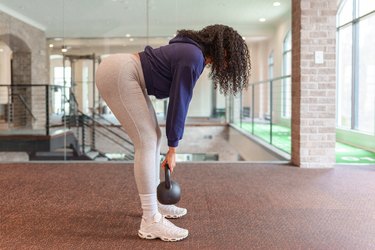
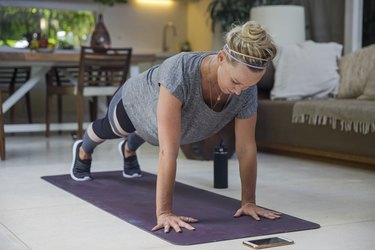
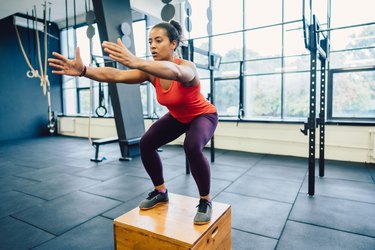
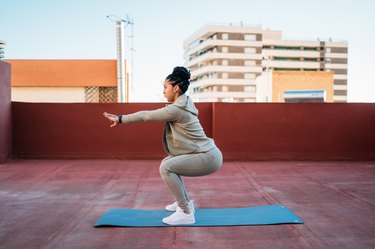
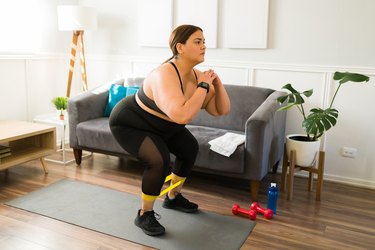
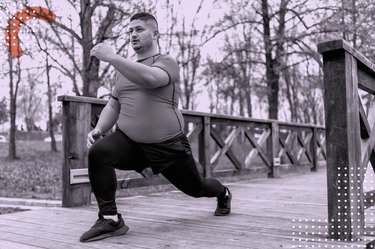
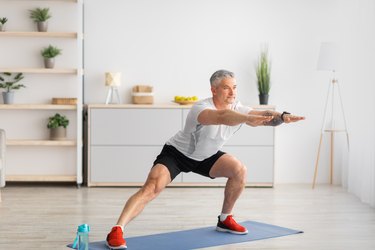
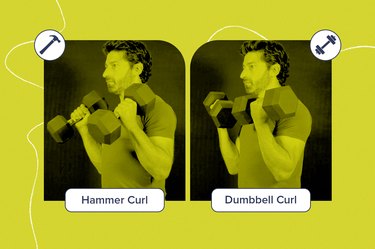
Do 20 to 60 minutes of strength-building exercises that involve using every muscle in your body. Use 10- to 30-lb. weights or higher, due to your physical capability, and do combination workouts such as a hang clean, push press and front squat. When you do this you burn a ton of fat and get your heart pumping up. Do push-ups, squats and lunges. These don't require weights, but are still a part of the strength training exercise group; you will accelerate your heart rate by using your own body weight to perform them.
Step 2
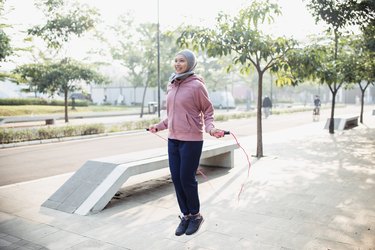
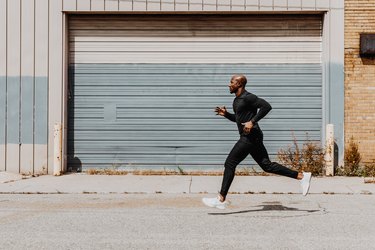
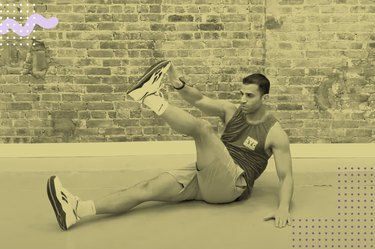
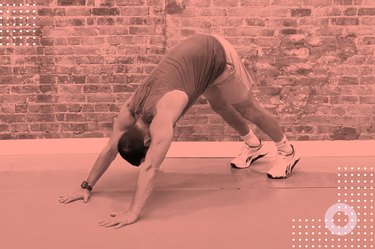
Perform 20 to 60 minutes of cardiovascular exercises such as running, walking, swimming, jumping rope and jumping jacks 3 to 5 times a week. Do interval or Tabata exercises. Give your full intensity during the workout followed by a resting period in between. These exercises range from 4 to 25 minutes in length and can be done 3 to 5 days a week. These types of workouts speed up your metabolism and keep it working up to 36 hours after your workout.
Step 3
Go outdoors and do exercises such as hiking, mountain climbing, kayaking and canoeing. Do 30 to 60 minutes or more and do it at least 3 to 5 times a day. Get into boot camps, which involve a combination of cardio and strength building exercises that you can do outside in a group setting. These exercises provide a fun and active way to naturally increase your heart rate. The American Heart Association says physical activity may encourage you to spend some time outdoors where the sunlight beams on your skin and helps your body produce vitamin D. Vitamin D protects against muscle weakness and is involved in the regulation of your heartbeat says Phyllis A. Balch, author of "Prescription for Nutritional Healing."


Member Comments