Easy Gymnastics Beam Routines for Beginners

Easy Gymnastics Beam Routines for Beginners
Photo Credit Comstock/Comstock/Getty Images

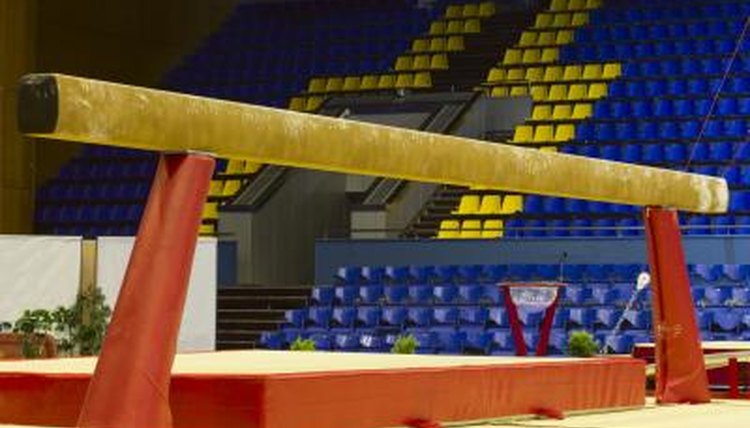
The balance beam is the true test of a gymnast's skill. Even the top gymnasts widely consider it the most difficult event, cites USA Gymnastics. When you're performing on a 4-inch wide beam, you have no room for mistakes, less you fall off the apparatus. You can choreograph a perfect beginning routine by seamlessly connecting basic tumbling, balance and dance elements from mount to dismount.

Tumbling Elements

Tumbling elements become much harder when you take them to the beam. Even something as simple as a forward roll takes practice with a spotter before you can perfect the skill on the beam. After you tumble, consider popping up with a squat jump, bringing your knees high in the air. If you're up to the challenge, incorporate a cartwheel in your beam routine. You should dismount the beam with a tumbling element, such as a cartwheel or round-off. Otherwise, you can squat jump from the beam to the mat.

Balance Elements

Every balance beam routine needs skills that show the gymnast's balance and control. Pick at least one balance element to hold for two seconds. The arabesque, also called the scale, is a popular balance element for beginners. You stand on one leg, extend your other leg behind you, lean forward with your chest to the ground and extend your arms to your sides. You may also consider traveling across the beam with leg kicks. Bring one foot up to your knee, slightly pause and then kick out in front of you. Repeat the kick on the other leg. When you get to the end of the beam, turn on your toes or bend your knees low and pivot in a squat turn.

Dance Elements

Dance elements help connect your skills. While you may not be ready for a full split leap, you can downsize the leap so your feet only jump a few inches off the beam. Include a 360-degree turn. If you can't stay on the beam all the way around, break the turn into two 180-degree turns. Your arms and hands sell the routine. Your fingertips should be like a ballerina's, and your arms should move gracefully between skills, rolling from the shoulders, for example. Stay up on your toes as much as you can throughout the routine.

Considerations

Make safety your number one priority when choreographing your routine. Always warm up before you practice, holding your stretches for at least 30 seconds. Practice all skills on a tapeline, on the mat first. Then, move to the low beam. Never attempt a skill without a spotter by your side on the balance beam. You might consider balance beam shoes, which have rubber soles to prevent slipping. Don't rush your skills, but don't leave dead space between movements. Each skill needs to connect without pause.

References

Article reviewed by Allen Cone Last updated on: Dec 16, 2010

Must see: Photo Galleries

Member Comments