














1. Calf Cramps Happen
Have you ever worked out so hard that you're suddenly awoken in the middle of the night by excruciating pain in your calf muscle? It's like you have a gigantic metal clamp tightly attached to the back of your lower leg. You might try to move your leg, but when you do, the calf muscle only tightens more until you finally get out of bed. Then the minute you try to lay back down, the muscle tightens up again. Yikes! There's nothing like waking up to a "Charley Horse." Although experts don't know the exact cause of calf cramping, it mostly has to do with strain or overexertion during exercise. Calf cramps occur anywhere, at any time, and usually when you least expect them and sometimes for no reason.
2. Stretch for Better Performance
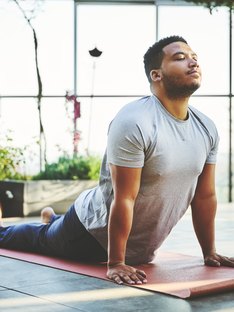
Forgetting to stretch before or after exercise leads to calf cramps. Stretching and warming up helps muscles to be more flexible, supple and responsive to sudden moves. You use calf muscles for most physical activities, from basketball to vacuuming your living room. Practice yoga or Pilates weekly to keep muscles lean, long and strong. However, stretch and warm up calf muscles every time you work out to avoid cramps and injury.
3. Five-minute Warm-up for Stable Calf Muscles
Take about five to 10 minutes before working out to stretch calf muscles. Elongate calf muscles by stretching the leg straight out in front of you and pulling the foot toward you, or stretching your leg straight behind you with your foot on the floor. Do the same type of stretches after a workout. Warm up calf muscles by raising your heels up and down from a standing position several times. Hold on to a chair or some other stable object for support.
4. Calcium, Calf Muscles and Cramping
If you do stretch and warm up a lot before and after exercise and still experience calf cramping, try taking supplements containing Calcium with Vitamin D and Magnesium. These supplements are best since the ingredients work together. Eat more foods rich with Calcium, Vitamin D, Magnesium and Potassium. Milk, for instance, is typically fortified with Vitamin D. Athletes also need extra Potassium since heat, dehydration and overexertion can deplete a body of it as well as other vitamins and minerals, which leads to muscle cramping.
5. Stop Calf Cramps Dead in Their Tracks
If you wake up with a bad "Charley Horse," or suddenly get a calf cramp in the middle of the day, the best thing to do is walk it out. First, stand straight on the leg with the cramp. Then gently walk around until the calf muscle stops cramping. You can try stretching it a little, but keep in mind the muscle is in a knot or spasm, so you need to be gentle with it. Whatever you do, don't point your toes. If it continues to cramp or hurt, try using a heating pad to soothe the muscle. A warm bath is great for sore or cramping muscles, especially if you add Epsom salt, which contains magnesium and will relax cramping muscles. Be careful in water, though, as muscle cramping has led to drowning accidents.


Member Comments