Foods That Make Psoriasis Worse
Psoriasis is a chronic condition that causes reddish-colored, scaly dry patches on your skin. Psoriasis is not contagious and usually not painful, although severe cases lead to arthritis. Though the cause of psoriasis remains unknown, according to the University of Maryland Medical Center stress, obesity, cold air, injuries, certain medications and excessive alcohol or tobacco use can trigger flare-ups. In addition to medications and exercise, a healthy diet, limited in certain foods, may help reduce your symptoms.
Fatty Meat and Poultry
Fatty meat and poultry, such as porterhouse steak, hamburger meat, organ meats, processed meats and dark-meat chicken, contain rich amounts of saturated fat -- fats associated with high cholesterol levels, weight gain, diabetes and heart disease. The National Psoriasis Foundation recommends avoiding animal-derived fat sources for improved wellness and weight control. Avoid deep-fried meat and poultry and items prepared with butter or lard, which increase the saturated fat and calorie content. Common dishes based upon fatty meat and/or poultry include cheeseburgers, pepperoni or sausage pizza, fried chicken, fast-food breakfast sandwiches, veal Parmesan and ham and cheese omelets.
- Fatty meat and poultry, such as porterhouse steak, hamburger meat, organ meats, processed meats and dark-meat chicken, contain rich amounts of saturated fat -- fats associated with high cholesterol levels, weight gain, diabetes and heart disease.
Whole Milk
Foods to Avoid When You Have Atopic Dermatitis
Learn More
Whole milk also contains rich amounts of saturated fat. Milk is also a common food allergen that triggers psoriasis in some people, according to the University of Maryland Medical Center. If milk products seem to cause or worsen your symptoms, choose non-dairy equivalents, such as soy milk, instead. Otherwise, avoid whole milk and whole milk products, such as high-fat cheeses, ice cream, egg nog, heavy cream, high-fat coffee beverages, cheesecake and sour cream to help control symptoms of psoriasis.
- Whole milk also contains rich amounts of saturated fat.
- Otherwise, avoid whole milk and whole milk products, such as high-fat cheeses, ice cream, egg nog, heavy cream, high-fat coffee beverages, cheesecake and sour cream to help control symptoms of psoriasis.
Gluten
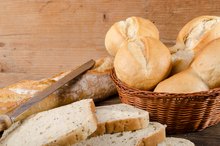
Gluten is a storage protein found in wheat, barley, rye and a slew of condiments, baking mixes, marinades, baked goods and snack foods. Though gluten-containing foods, such as whole-wheat bread, provide dietary benefits for most people, eliminating gluten from your diet may help reduce psoriasis symptoms, according to the University of Maryland Medical Center. Common foods that contain gluten include enriched white, wheat and rye breads, cold cereals — except gluten-free corn and rice-based cereals and commercially prepared cookies, cakes, pastries, pizza crust, muffins, pie crust, crackers, pretzels, couscous, muesli, creamy canned soups, gravy mixes and many processed meats. Since gluten is found in a wide variety of foods and products, seek guidance and approval from your doctor before eliminating gluten for best results.
- Gluten is a storage protein found in wheat, barley, rye and a slew of condiments, baking mixes, marinades, baked goods and snack foods.
- Common foods that contain gluten include enriched white, wheat and rye breads, cold cereals — except gluten-free corn and rice-based cereals and commercially prepared cookies, cakes, pastries, pizza crust, muffins, pie crust, crackers, pretzels, couscous, muesli, creamy canned soups, gravy mixes and many processed meats.
Added Sugars
Foods to Avoid When Asthmatic
Learn More
Added sugars are ingredients such as cane sugar, brown sugar, honey, dextrose, maltose, fructose and corn syrup that add sweet flavor, but few nutrients, to foods. The National Psoriasis Foundation recommends cutting back on added sugars as a useful dietary tool for managing your symptoms. Common sources of added sugars include regular soft drinks, candy, chocolates, cakes, pies, cookies, frosting, jam, jelly, pancake syrup, sweetened cereals and sweetened tea and coffee beverages. Avoid foods that list a form of sugar as one of its top-listed ingredients for best results.
- Added sugars are ingredients such as cane sugar, brown sugar, honey, dextrose, maltose, fructose and corn syrup that add sweet flavor, but few nutrients, to foods.
Related Articles
Foods to Avoid When You Have Atopic Dermatitis
Learn More
Foods to Avoid When Asthmatic
Learn More
Is Eating Whole Grain Bread Bad for Eczema?
Learn More
Does Pumpernickel Bread Make You Fat?
Learn More

Foods That Cause Tendonitis
Learn More
Foods to Avoid for Colitis Sufferers
Learn More
Diet for Hyperthyroidism
Learn More
Foods That Make Sleep Apnea Worse
Learn More
Does Old-Fashioned Oatmeal Contain Gluten?
Learn More
Gluten-Free Diet for Ulcerative Colitis
Learn More
References
- National Psoriasis Foundation:Living a Healthy Lifestyle with Psoriatic Arthritis
- Budu-Aggrey A, Brumpton B, Tyrrell J, et al. Evidence of a causal relationship between body mass index and psoriasis: A mendelian randomization study. Lewis C, ed. PLOS Medicine. 2019;16(1):e1002739. doi:10.1371/journal.pmed.1002739
- Naldi L, Conti A, Cazzaniga S, et al. Diet and physical exercise in psoriasis: a randomized controlled trial. British Journal of Dermatology. 2014;170(3):634-642. doi:10.1111/bjd.12735
- Bhatia, Bhavnit K., et al. “Diet and Psoriasis, Part II: Celiac Disease and Role of a Gluten-Free Diet.” Journal of the American Academy of Dermatology, vol. 71, no. 2, Aug. 2014, pp. 350–358, doi:10.1016/j.jaad.2014.03.017.
- De Bastiani R, Gabrielli M, Lora L, et al. Association between Coeliac Disease and Psoriasis: Italian Primary Care Multicentre Study. Dermatology. 2015;230(2):156-160. doi:10.1159/000369615
- Millsop JW, Bhatia BK, Debbaneh M, Koo J, Liao W. Diet and psoriasis, part III: Role of nutritional supplements. Journal of the American Academy of Dermatology. 2014;71(3):561-569. doi:10.1016/j.jaad.2014.03.016
- Adawi M, Damiani G, Bragazzi N, et al. The Impact of Intermittent Fasting (Ramadan Fasting) on Psoriatic Arthritis Disease Activity, Enthesitis, and Dactylitis: A Multicentre Study. Nutrients. 2019;11(3):601. doi:10.3390/nu11030601
- Adawi, M., Damiani, G., Bragazzi, N., Bridgewood, C., Pacifico, A., Conic, R., … Watad, A. The Impact of Intermittent Fasting (Ramadan Fasting) on Psoriatic Arthritis Disease Activity, Enthesitis, and Dactylitis: A Multicentre Study. Nutrients, 2019;11(3), 601. doi:10.3390/nu11030601
- Afifi L, Danesh MJ, Lee KM, et al. Dietary Behaviors in Psoriasis: Patient-Reported Outcomes from a U.S. National Survey. Dermatology and Therapy. 2017;7(2):227-242. doi:10.1007/s13555-017-0183-4
- Bhatia, B. K., Millsop, J. W., Debbaneh, M., Koo, J., Linos, E., & Liao, W. Diet and psoriasis, part II: Celiac disease and role of a gluten-free diet. Journal of the American Academy of Dermatology, 2014;71(2), 350–358. doi:10.1016/j.jaad.2014.03.017
- Budu-Aggrey A, Brumpton B, Tyrrell J, et al. Evidence of a causal relationship between body mass index and psoriasis: A mendelian randomization study. Lewis C, ed. PLOS Medicine. 2019;16(1):e1002739. doi:10.1371/journal.pmed.1002739
- De Bastiani, R., Gabrielli, M., Lora, L., Napoli, L., Tosetti, C., Pirrotta, E., … Gasbarrini, A. Association between Coeliac Disease and Psoriasis: Italian Primary Care Multicentre Study. Dermatology, 2015;230(2), 156–160. doi:10.1159/000369615
- Debbaneh, M., Millsop, J. W., Bhatia, B. K., Koo, J., & Liao, W. Diet and psoriasis, part I: Impact of weight loss interventions. Journal of the American Academy of Dermatology, 2014; 71(1), 133–140. doi:10.1016/j.jaad.2014.02.012
- Duarte, G., Barbosa, & Rosa. The management of psoriasis through diet. Psoriasis: Targets and Therapy, 2014;45. doi:10.2147/ptt.s24755
- Ford AR, Siegel M, Bagel J, et al. Dietary Recommendations for Adults With Psoriasis or Psoriatic Arthritis From the Medical Board of the National Psoriasis Foundation: A Systematic Review . JAMA Dermatol. 2018;154(8):934–950. doi:10.1001/jamadermatol.2018.1412
- Millsop, J. W., Bhatia, B. K., Debbaneh, M., Koo, J., & Liao, W. Diet and psoriasis, part III: Role of nutritional supplements. Journal of the American Academy of Dermatology, 2014;71(3), 561–569. doi:10.1016/j.jaad.2014.03.016
- Naldi, L., Conti, A., Cazzaniga, S., Patrizi, A., Pazzaglia, M., Lanzoni, A. Diet and physical exercise in psoriasis: a randomized controlled trial. British Journal of Dermatology, 2014;170(3), 634–642. doi:10.1111/bjd.12735
Writer Bio
August McLaughlin is a certified nutritionist and health writer with more than nine years of professional experience. Her work has been featured in various magazines such as "Healthy Aging," "CitySmart," "IAmThatGirl" and "ULM." She holds specializations in eating disorders, healthy weight management and sports nutrition. She is currently completing her second cookbook and Weight Limit—a series of body image/nutrition-related PSAs.