A Mild Case of Shingles
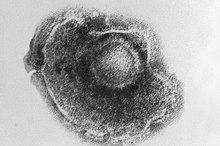
Shingles, also known as herpes zoster, is caused by the chickenpox virus. If you’ve ever had chickenpox, you can develop shingles because the virus remains in your body. It can be dormant for many years and then unexpectedly become active again and cause shingles. People who are younger and have a healthy immune system typically have milder symptoms. But even a mild case of shingles can last several weeks. While there is no cure, treatment options are available.
If you are experiencing serious medical symptoms, seek emergency treatment immediately.
Early Symptoms
The zoster virus resides in nerve cells after the chickenpox. As long as the virus remains inactive, it causes no symptoms. Shingles occurs when the virus becomes active again. The illness begins with the pre-eruptive phase, meaning the stage before the rash. Given that the virus inhabits nerve cells, it's not surprising that the first symptoms involve abnormal skin sensations, such as tingling, itchiness, burning, tenderness or pain. With a mild case of shingles, tingling or itchiness tend to predominate rather than more painful sensations. These sensations are limited to one side of the body and typically affect a single, discrete band of skin. The trunk is most commonly affected, followed by the face.
- The zoster virus resides in nerve cells after the chickenpox.
- Given that the virus inhabits nerve cells, it's not surprising that the first symptoms involve abnormal skin sensations, such as tingling, itchiness, burning, tenderness or pain.
Rash Phase
Causes of Fluid Filled Bumps on the Skin That Cause Itching
Learn More
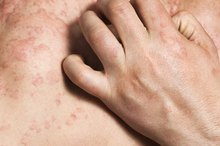
Typically within a few days to a week after the skin sensations begin, the shingles rash develops in the same area. This is called the eruptive phase of the illness. The rash begins as a red, raised area followed by development of clusters of fluid-filled, pimple-like structures called vesicles. They appear in crops for up to 5 days. With a mild case of shingles, new vesicle formation is often limited to 1 or 2 days, and fewer vesicles usually form than with more severe cases. The vesicles typically crust over within a week, with complete healing in 2 to 4 weeks. Abnormal skin sensations continue during the eruptive phase and gradually diminish as the rash goes away. Intense pain is less likely with a mild case of shingles, and some people report only itchiness or tingling.
- Typically within a few days to a week after the skin sensations begin, the shingles rash develops in the same area.
- With a mild case of shingles, new vesicle formation is often limited to 1 or 2 days, and fewer vesicles usually form than with more severe cases.
Treatment
There is no cure for shingles but there are treatment options. Antiviral medicines may be prescribed for even a mild case of shingles if you are 50 or older, have a weakened immune system, or the rash involves an area other than your trunk. These medicines should ideally be started within 3 days of the appearance of the rash. Options include acyclovir (Zovirax), valacyclovir (Valtrex) and famciclovir (Famvir). Over-the-counter pain medications, such as acetaminophen (Tylenol) and ibuprofen (Advil, Motrin), can be useful for mild discomfort. Cool compresses, calamine lotion and oatmeal baths can help relieve itchiness and other rash-related discomfort. Covering the affected skin loosely with sterile gauze can also help prevent irritation from clothing.
- There is no cure for shingles but there are treatment options.
- Cool compresses, calamine lotion and oatmeal baths can help relieve itchiness and other rash-related discomfort.
Prevention and Cautionary Notes
A Rash After the Shingles Vaccine
Learn More
Even a mild case of shingles can be very uncomfortable and complications sometimes develop. You can significantly reduce your risk of shingles by getting the herpes zoster vaccine (Zostavax). The Centers for Disease Control and Prevention recommends the vaccine for people age 60 and older, even if you've already had shingles 1.
Contact your doctor right away if you suspect you might have shingles and have risk factors for complications, including: -- age older than 60 -- HIV or another illness that weakens your immune system -- current treatment with cancer, steroid or organ transplant medications
Reviewed by: Tina M. St. John, M.D.
- Even a mild case of shingles can be very uncomfortable and complications sometimes develop.
- Contact your doctor right away if you suspect you might have shingles and have risk factors for complications, including: -- age older than 60 -- HIV or another illness that weakens your immune system -- current treatment with cancer, steroid or organ transplant medications Reviewed by: Tina M. St. John, M.D.
Related Articles

Causes of Fluid Filled Bumps on the Skin That Cause Itching
Learn More

A Rash After the Shingles Vaccine
Learn More
The Stages of Shingles Rash
Learn More

Types of Chicken Pox
Learn More

Can Shingles Be on Your Penis?
Learn More

Symptoms of Infantigo
Learn More
Armpit Shingles
Learn More

What Are the Symptoms of Shingles in Women?
Learn More
Common Shingles Rash Sites
Learn More
Joint Pain from Herpes
Learn More
References
- Centers for Disease Control and Prevention: Shingles (Herpes Zoster) Clinical Overview
- The New England Journal of Medicine: Herpes Zoster
- Current Topics in Microbiology and Immunology: Neurological Disease Produced by Varicella Zoster Virus Reactivation Without Rash
- Morbidity and Mortality Weekly Report: Update on Recommendations for Use of Herpes Zoster Vaccine
- InformedHealth.org [Internet]. Cologne, Germany: Institute for Quality and Efficiency in Health Care (IQWiG); 2006-. Shingles: Overview. 2014 Nov 19 [Updated 2019 Nov 21].Available from: https://www.ncbi.nlm.nih.gov/books/NBK279624/
- Albrecht, M. Shingles (Beyond the Basics). UpToDate. Updated June 12, 2019.
- National Center for Immunization and Respiratory Diseases, Division of Viral Diseases. Shingles (Herpes Zoster): Clinical Overview. Centers for Disease Control and Prevention. Updated August 14, 2019. cdc.gov
- National Center for Immunization and Respiratory Diseases. Shingles Vaccination. Centers for Disease Control and Prevention. Updated January 25, 2018. cdc.gov
- John AR, Canaday DH. Herpes Zoster in the Older Adult. Infect Dis Clin North Am. 2017;31(4):811-826. doi:10.1016/j.idc.2017.07.016
- Cohen KR, Salbu RL, Frank J, Israel I. Presentation and management of herpes zoster (shingles) in the geriatric population. P T. 2013;38(4):217–227.
- National Institute of Neurological Disorders and Stroke. Shingles: Hope Through Research. Updated August 13, 2019. ninds.nih.gov
- White PF, Elvir lazo OL, Galeas L, Cao X. Use of electroanalgesia and laser therapies as alternatives to opioids for acute and chronic pain management. F1000Res. 2017;6:2161. doi:10.12688/f1000research.12324.1
- Centers for Disease Control and Prevention. Chickenpox Vaccination: What Everyone Should Know. Updated August 7, 2019. cdc.gov
- InformedHealth.org [Internet]. Cologne, Germany: Institute for Quality and Efficiency in Health Care (IQWiG); 2006-. Shingles: Overview. 2014 Nov 19 [Updated 2019 Nov 21].
- Albrecht, M. Shingles (Beyond the Basics). Updated June 12, 2019.
- Centers for Disease Control and Prevention. What Everyone Should Know About Zostavax. Updated January 25, 2018.
Writer Bio
Joan White is a practicing nurse practitioner and administrator for the ninth largest health system in the United States.She has experience as an educator and received awards for educational presentations. She has a Master's Degree in nursing and business from the University of Central Florida.