How to Lose Weight With Six Star Muscle Whey
Nutritional supplements can be used in conjunction with other dietary practices to help a person to lose weight. Six Star Muscle Whey is a supplement used to not only help a dieter lose weight, but also increase a person’s muscle mass by supplying extra protein. Unlike many other protein supplements, Six Star Muscle Whey is low in fat and has numerous essential vitamins and minerals.
Purchase the Six Star Muscle Whey supplement. You can choose one of three flavors: strawberry, vanilla or chocolate. You can check at diet and health food stores or purchase the nutritional supplement online from stores like the Nutrition Edge (see Resources).
Nutritional Value of Gold's Gym Shakes
Learn More
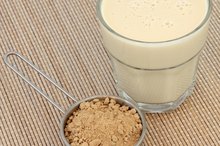
Use the Six Star Muscle Whey supplement as a meal replacement for breakfast and lunch. The product comes with a scoop to help you measure the amount that you will need to add to 8 oz. of skim milk. Stir the concentrated powder and milk together or add them to a blender with ice to make a shake.
Add some fresh fruit for variety. In order to lose weight with Six Star Muscle Whey, you should pick up different types of fruit and blend them into your meal replacement drinks. You can also snack on fruit or vegetables between meals.
Whey & Testosterone
Learn More
Eat a low-fat dinner. While trying to lose weight with Six Star Muscle Whey, you will want to have a low-fat dinner that consists of lean meats, low-fat dairy products, vegetables and whole grains.
Exercise along with taking the Six Star Muscle Whey supplement. If you are looking to build muscle mass, concentrate on weight training. However, if you want to just lose weight, focus more on aerobic exercises, such as running and biking. You should workout three to five times a week for a minimum of 1 hour.
Tips
You should always talk to your physician before embarking on any type of weight-loss plan.
Related Articles

Nutritional Value of Gold's Gym Shakes
Learn More

Whey & Testosterone
Learn More
Precision Engineered Muscle & Weight Gainer
Learn More
The Difference Between Muscle Milk & Muscle Milk Collegiate
Learn More
Kefir For Protein
Learn More

GNC Products That Make You Gain Weight
Learn More

Does a Protein Powder Have Carbohydrates?
Learn More

What Are the Side Effects of MuscleTech Protein Drinks?
Learn More
How Long Should You Wait After a Meal to Drink Muscle Milk?
Learn More
Good Post Workout Foods for Weight Gain
Learn More
References
- National Kidney Foundation. Why you should avoid eating starfruit. Updated 2020.
- U.S. Department of Agriculture. FoodData Central. Carambola (starfruit), raw. Published April 1, 2019.
- Leelarungrayub J, Yankai A, Pinkaew D, Puntumetakul R, Laskin JJ, Bloomer RJ. A preliminary study on the effects of star fruit consumption on antioxidant and lipid status in elderly Thai individuals. Clin Interv Aging. 2016;11:1183-92. doi:10.2147/CIA.S110718
- National Institutes of Health. Office of Dietary Supplements. Vitamin C fact sheets for health professionals. Updated 2020.
- Cleveland Clinic. Improving your health with fiber. Updated 2019.
- American College of Allergy, Asthma and Immunology. Food allergy. Updated 2014.
- University of Michigan. Don't eat this, if you take that. Updated 2020.
- University of Florida Horticultural Sciences Department, Florida Cooperative Extension Service Institute of Food and Agricultural Sciences. Carambola varieties. Updated 2017.
- Crane J. Carambola growing in the Florida home landscape. University of Florida IFAS Extension. Updated 2018.
Tips
- You should always talk to your physician before embarking on any type of weight-loss plan.
Writer Bio
Heather Topham Wood is a seasoned writer whose work has appeared in numerous publications, including USA Today, Gadgetell, Feel Rich and Step in Style. Heather is a published novelist with six Amazon bestsellers and a contract through Crescent Moon Press. She holds a bachelor's degree in English from TCNJ.