Signs & Symptoms of Iron Deficiency in Teens
Iron deficiency and anemia are two pieces of a condition that often affects teenagers: fatigue. Teens may be tired for other reasons, such as staying up late to do homework or to study for tests, extracurricular activities or trying to manage a job plus school, but anemia from iron deficiency can make things worse. Signs and symptoms of iron deficiency can be subtle and easy to overlook.
Iron Deficiency
Iron deficiency can result when you have increased iron needs. Blood loss from heavy menstrual periods may cause iron deficiency, as can frequent blood donations or food sensitivity. Iron may also become deficient if you don’t eat enough iron-containing foods or can’t absorb what you do eat. Vegetarians are at increased risk for iron deficiency because iron from plant foods is not as well absorbed as iron from animal sources.
- Iron deficiency can result when you have increased iron needs.
- Iron may also become deficient if you don’t eat enough iron-containing foods or can’t absorb what you do eat.
Anemia
Iron Supplements for Teens
Learn More
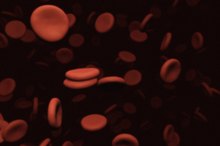
The symptoms of anemia are primarily related to oxygen transport. Red blood cells contain hemoglobin, a protein that transports oxygen from the lungs to all cells in the body. Iron is an integral component of hemoglobin. Iron deficiency anemia -- the most common cause of anemia in American teenagers, according to KidsHealth.org -- causes a drop in red blood cells and hemoglobin. As the hemoglobin levels drop below normal, symptoms begin to appear.
- The symptoms of anemia are primarily related to oxygen transport.
- As the hemoglobin levels drop below normal, symptoms begin to appear.
Fatigue, Pallor, Rapid Heartbeat
The most common symptom of iron deficiency in teenagers is fatigue. The decrease in available oxygen because of inadequate hemoglobin means the body’s cells cannot carry out their metabolic functions. Red blood cells provide the normal pink color to the skin, so a person with anemia may be pale. Your heart will beat faster because it’s trying to get the required amount of oxygen to the body by speeding up the circulation.
- The most common symptom of iron deficiency in teenagers is fatigue.
- Red blood cells provide the normal pink color to the skin, so a person with anemia may be pale.
Other Symptoms
Iron and Chills
Learn More
Even before anemia develops, iron deficiency can affect your mental functions. You may have difficulty concentrating, remembering things or learning something new. As iron deficiency anemia progresses, you may feel tired all the time and short of breath. Climbing stairs or exercising can become a major effort, because your body cannot respond to the extra demand for oxygen. Headaches are another symptom of iron deficiency anemia. You may feel cold all the time, have an inflamed tongue or be more susceptible to infections.
- Even before anemia develops, iron deficiency can affect your mental functions.
Diagnosis and Treatment
Symptoms like fatigue and pallor indicate possible Iron deficiency and the resulting anemia. Blood tests can determine iron levels in the body, the number of red blood cells you have and the level of your hemoglobin. Iron deficiency may be corrected by dietary changes, but you may also need iron supplements. Since iron deficiency can be caused by factors other than diet, the correct diagnosis is important. If you have questions or concerns, consult a health-care professional.
- Symptoms like fatigue and pallor indicate possible Iron deficiency and the resulting anemia.
- Iron deficiency may be corrected by dietary changes, but you may also need iron supplements.
Related Articles

Iron Supplements for Teens
Learn More

Iron and Chills
Learn More

Can a Teenager Lose 30 Pounds in 4 Months ?
Learn More

Low Iron Level Symptoms During Pregnancy
Learn More

Low Iron in Toddlers
Learn More

Signs & Symptoms of Low Hemoglobin Count
Learn More
Low Ferritin in Children
Learn More

Benefits for Teenagers to Eat Healthy
Learn More

The Negative Effects Electronics Have on Teens
Learn More

Why Am I So Tired After Eating?
Learn More
References
- Kidshealth.org: Anemia
- None
- Iron deficiency without anaemia is a potential cause of fatigue: meta-analyses of randomised controlled trials and cross-sectional studies - PubMed
- None
- None
- None
- Iron-Deficiency Anemia | NHLBI, NIH
- How we diagnose and treat iron deficiency anemia - PubMed
- Correlation of pallor with hemoglobin levels and clinical profile of anemia in primary and middle school children of rural Telangana | Regina | International Journal of Contemporary Pediatrics
- How we diagnose and treat iron deficiency anemia - PubMed
- Correlation of pallor with hemoglobin levels and clinical profile of anemia in primary and middle school children of rural Telangana | Regina | International Journal of Contemporary Pediatrics
- None
- Iron deficiency anaemia - PubMed
- Is There Any Correlation between Migraine Attacks and Iron Deficiency Anemia? A Case-Control Study
- Iron deficiency anaemia - PubMed
- (PDF) Understanding idiopathic intracranial hypertension: Mechanisms, management, and future directions
- Anemia as an Independent Predictor of Adverse Cardiac Outcomes in Patients with Atrial Fibrillation
- Iron deficiency anaemia - PubMed
- Iron deficiency anaemia - PubMed
- Iron deficiency in chronic heart failure: an international pooled analysis - PubMed
- None
- None
- The Role of Vitamins and Minerals in Hair Loss: A Review - PubMed
- Iron Plays a Certain Role in Patterned Hair Loss
- Oral manifestations and blood profile in patients with iron deficiency anemia - PubMed
- Effects of Iron Deficiency on the Oropharyngeal Region: Signs, Symptoms, and Biological Changes | SpringerLink
- Restless Leg Syndrome: A Neglected Diagnosis
- The prevalence and impact of restless legs syndrome on patients with iron deficiency anemia - PubMed
- Spoon Nails - StatPearls - NCBI Bookshelf
- Spoon Nails - StatPearls - NCBI Bookshelf
- Pica as a manifestation of iron deficiency - PubMed
- Association between iron-deficiency anemia and depression: A web-based Japanese investigation - PubMed
- Iron Deficiency and Risk of Maternal Depression in Pregnancy: An Observational Study - PubMed
- Iron deficiency and susceptibility to infections: evaluation of the clinical evidence - PubMed
- Fatigue and acute/chronic anaemia - PubMed
- Iron deficiency anaemia - PubMed
- Vitamin C (Ascorbic Acid) - StatPearls - NCBI Bookshelf
- Iron Bisglycinate Chelate and Polymaltose Iron for the Treatment of Iron Deficiency Anemia: A Pilot Randomized Trial
- Iron-deficiency anemia | womenshealth.gov
- Iron-Deficiency Anemia | NHLBI, NIH
Writer Bio
Beth Greenwood is an RN and has been a writer since 2010. She specializes in medical and health topics, as well as career articles about health care professions. Greenwood holds an Associate of Science in nursing from Shasta College.