Fiber is an incredibly important nutrient, but it does way more than just prevent constipation.
Dietary fiber helps you feel full, improves digestion, lowers cholesterol levels and is linked to a lower risk of a myriad of chronic diseases including heart disease and certain cancers, per the Mayo Clinic.
Video of the Day
How Much Fiber Do You Need?
The American Heart Association (AHA) recommends 25 grams of fiber per every 2,000 calories you eat each day. So if you're on a 1,500-calorie diet, you need about 19 grams of fiber per day; if you eat 2,500 calories a day, you need about 31 grams of fiber.
Eating 25 to 29 grams of fiber a day is linked to a 15 to 30 percent lower risk of all-cause and heart-related mortality, per a February 2019 meta-analysis in The Lancet. However, most people get less than 20 grams of fiber per day.
There are two main types of fiber: soluble and insoluble fiber. Soluble fiber dissolves in water to form a gel-like material — it can help maintain healthy glucose and blood cholesterol levels, per the Mayo Clinic. Foods high in insoluble fiber help move food through your digestive system, which is why it is especially great for folks with constipation.
Video of the Day
Below, find a list of the top foods high in fiber. Note that the FDA's Daily Value (DV) percentages are based on eating 28 grams of fiber per day.
1. Passionfruit: 24.5 g, 88% Daily Value (DV)
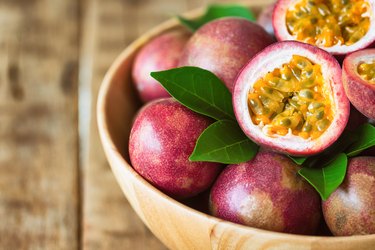
This enticing fruit hails from South America, but it's cultivated throughout the world, per the Encyclopedia of Food and Health.
Passionfruit makes for a great breakfast food high in fiber, providing 88 percent of your DV in 1 cup — just scoop it onto yogurt parfaits, add it to cereal or bake it into homemade pancakes.
One cooked cup of navy beans packs 68 percent of your DV as well as 15 grams of plant protein and 24 percent of your DV of iron. Beans, including the navy variety, are high in both soluble and insoluble fiber. Try the legume in these easy and delicious bean recipes.
3. Adzuki Beans: 16.8 g, 60% DV
These small red beans are popular in Asian cuisine and offer 60 percent of your DV for fiber in a 1-cup cooked serving. Adzuki beans are also high in protein, carbs, iron, potassium, zinc and magnesium.
4. Kidney Beans: 16.5 g, 59% DV
Kidney beans are a popular choice for winter chili recipes. They pack a serious nutritional punch: They're high in protein and fiber and are naturally low in fat.
One cooked cup of red kidney beans accounts for 59 percent of your DV of fiber and 34 percent of your DV of protein, and they also contain solid amounts of iron, potassium, magnesium and zinc.
5. Split Peas: 16.3 g, 58% DV
In the laundry list of fiber-packed legumes, split peas are high on the list, offering 16.3 grams or 58 percent of your DV in 1 cooked cup. Add split peas to soups and salads, bake them with salt and pepper for a healthy snack or try them in these simple split pea recipes.
6. Lentils: 15.6 g, 56% DV
Lentils score you protein, and they're one of the best foods high in fiber and low in fat. One cooked cup of lentils has 56 percent of your DV of fiber and 18 grams of protein.
Eating a diet rich in legumes such as lentils has been shown to lower blood pressure and improve blood sugar, cholesterol and triglyceride levels in people with type 2 diabetes, per a November 2012 study in the Archives of Internal Medicine.
7. Pinto Beans: 15.4 g, 55% DV
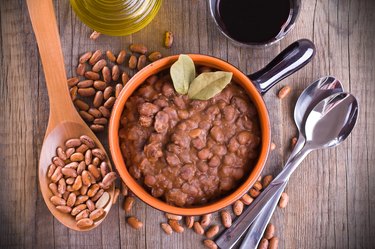
Like many other legumes, pinto beans are nutrient-dense and low in fat, making them an integral addition to a healthy diet. Pinto beans are very high in protein as well as amino acids, which your body uses to build and repair muscle, per the Mayo Clinic.
Plus, pinto beans are high in fiber with 55 percent of your DV per cooked cup.
8. Black Beans: 15 g, 53% DV
Black beans provide major nutritional bang for your buck. Not only are they high in nutrients, but they're also a cheap source of fiber and vitamins. They're one of the best plant-based sources of protein and also pack 53 percent of your fiber DV in 1 cooked cup.
9. Avocados: 13.5 g, 48% DV
This creamy green fruit is an excellent source of omega-3 fatty acids as well as potassium and vitamins C, K and E. One avocado covers 48 percent of your DV of fiber alone. Use it in these creative avocado recipes.
10. Lima Beans: 13.2 g, 47% DV
Also known as butter beans, lima beans have a creamy, almost potato-like texture and almost taste as if they've been soaking in butter (hence their nickname). You can buy them frozen, dried or canned, and you'll get 47 percent of your fiber DV in a single cooked cup. Other nutrients in lima beans include protein, iron, potassium, magnesium and zinc.
11. Chickpeas: 12.5 g, 45% DV
Also known as Garbanzo beans, chickpeas are a staple in Middle Eastern cooking and they're one of the best vegan foods high in fiber, packing 45 percent of your DV in 1 cooked cup. The legume is also great for weight loss thanks to its healthy dose of protein and fiber, which work together to keep you full for longer.
The hummus staple is also a great plant-based source of iron, accounting for 26 percent of your DV in a 1-cup serving.
12. Great Northern Beans: 12.4 g, 44% DV
Like all beans, great northern beans are one of the top foods high in soluble fiber. One cup of cooked great northern beans offers 44 percent of your DV of fiber.
13. Elderberries: 10.2 g, 36% DV
These tart berries have been around since the Stone Age, per the USDA National Agricultural Library, and are hailed for their nutritional benefits. For one, they're a great source of dietary fiber, providing 36 percent of your DV in a cup.
And they're packed with antioxidants that perk up your immune system and have been shown to reduce the length of colds and cold symptoms in an older 2004 study in The Journal of International Medical Research.
14. Chia Seeds: 9.8 g, 35% DV
Chia seeds are best known for their jelly-like texture that makes them a tasty addition to smoothies and yogurts. Despite their small stature, 1 ounce packs 35 percent of your fiber DV as well as several other nutrients including magnesium, calcium, iron and zinc.
15. Fava Beans: 9.5 g, 34% DV
Like the chickpea, this nutrient-dense legume is a staple in Mediterranean cuisine. One cup of cooked fava beans earns you 34 percent of your DV of fiber. Fava beans are also high in protein, zinc, magnesium, iron, potassium and vitamin K.
It is, however, important to note that people who lack the G6PD enzyme should avoid fava beans because they can cause hemolytic anemia, per an October 2005 report in American Family Physician.
16. Acorn Squash: 9 g, 32% DV
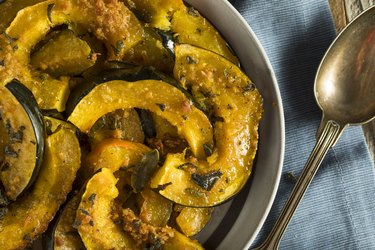
This fall favorite hails from the Cucurbita pepo squash species, which is the same family as pumpkin and zucchini. The veggie is an excellent source of dietary fiber — providing 32 percent of your DV in a cup baked. Check out these delicious acorn squash recipes.
17. Guavas: 8.9 g, 32% DV
This tropical fruit comes in varying colors ranging from pale green to deep yellow and it's one of the best foods high in fiber and low in fat, packing in 32 percent of your DV and just 1.6 grams of fat in 1 cup.
It's also incredibly rich in vitamin C, providing 419 percent of your DV in that same serving size as well as some potassium, vitamin A and folate. Although guavas are available year-round, they are best enjoyed during the summer season.
18. Green Peas: 8.8 g, 31% DV
The starchy vegetable is readily available in most parts of the world and offers a slew of health benefits. One cup of cooked green beans earns you 31 percent of your DV of fiber, 35 percent of your DV of vitamin K and 25 percent of your DV of vitamin C.
Green peas also support good eye health thanks to their vitamin A, lutein and zeaxanthin content, per the Academy of Nutrition and Dietetics.
19. Succotash: 8.6 g, 31% DV
This traditionally Southern dish contains a mix of sweet corn, lima beans and sometimes tomatoes and okra. It gives you 31 percent of your DV of fiber in 1 cup cooked and can be enjoyed in so many ways — hot or cold on its own, as a base for eggs and as a tasty side dish.
20. Sweet Potatoes: 8.2 g, 29% DV
This starchy vegetable is packed with nutrients, including vitamins A, C and B6, potassium, iron and, of course, dietary fiber. Just 1 cup of cooked sweet potatoes has 29 percent of your DV of fiber and one medium baked sweet potato has 3.8 grams of fiber, or 13 percent of your DV. Try them in these delicious sweet potato recipes.
21. Edamame: 8.1 g, 29% DV
Edamame are soybeans that are not fully mature, but they very much deliver in the nutrient department, providing 18.5 grams of protein and 29 percent of your fiber DV in a single cooked cup. Other key nutrients that award it such impressive health benefits include magnesium, zinc, potassium, iron and vitamin K.
22. Raspberries: 8 g, 29% DV
Raspberries are lower in sugar and net carbs than many other fruits, which makes them one of the best keto foods high in fiber. Just 1 cup delivers 29 percent of your fiber DV for only 64 calories. Raspberries are also rich in vitamins C, K and E.
23. Flaxseeds: 7.8 g, 28% DV
Flaxseed, also known as linseed, packs heart-healthy omega-3 fatty acids and is one of the top foods high in fiber and low in carbs. A 1-ounce serving packs 28 percent of your DV for fiber. Just grind some up and simply add them to smoothies, cereal, yogurt or homemade cookie batter.
24. Spelt: 7.6 g, 27% DV
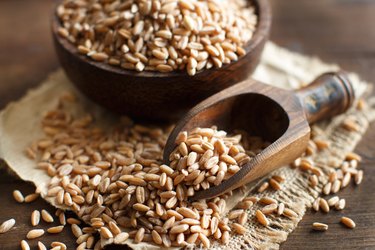
This ancient grain has been around for centuries but only recently has it gained popularity as a health food.
One cup of cooked spelt covers 27 percent of your DV of fiber and also provides a considerable amount of protein, fiber, manganese, phosphorus, vitamin B3, zinc, iron and magnesium.
25. Blackberries: 7.6 g, 27% DV
Sweet, juicy and bursting with a vibrant violet hue, this berry is a favorite add-on to oatmeal, yogurts and even salads. It's also a nutritional powerhouse that's packed with filling fiber: Just 1 cup of blackberries contains 27 percent of your DV, along with anthocyanin antioxidants, which give the berry its rich, dark-purple color, per a July 2012 study in the Journal of Agriculture and Food Chemistry.
26. Canned Pumpkin: 7.1 g, 25% DV
Most enjoyed during the Thanksgiving season, pumpkin is a nutritious food to eat year-round. Even the canned kind offers several health benefits, including a hearty dose of fiber as well as vitamins and minerals.
One cup of canned pumpkin has 25 percent of your DV of fiber, 212 percent of your DV of vitamin A, 33 percent of your DV of vitamin K and 19 percent of your DV of iron. Try it in these deliciously savory pumpkin recipes.
27. Pomegranates: 7 g, 25% DV
This superfood is absolutely deserving of its esteemed title. Not only is it really pretty (just look at that bright red color!), but it's particularly low in calories and rich in fiber.
One cup of pomegranate arils covers 25 percent of your DV of fiber and offers a healthy serving of vitamins K, C and E, as well as potassium. Try them in these tasty, antioxidant-rich pomegranate recipes.
28. Artichokes: 6.8 g, 24% DV
Artichokes are one of the top foods high in fiber for constipation because they contain insoluble fiber as well as inulin, a prebiotic that stimulates the growth of good gut bacteria, per the National Library of Medicine.
One medium-sized cooked artichoke accounts for 24 percent of your DV of fiber and serves up an impressive amount of phosphorus, potassium, calcium, magnesium as well as vitamins C and K. Try the veggie in one of these high-protein artichoke recipes.
29. Butternut Squash: 6.6 g, 23% DV
Butternut squash is especially known for its high amount of vitamin A in the form of beta-carotene (it's what gives it that gorgeous orange hue).
It also contains a hefty amount of fiber, with 23 percent of your DV in a single cup cooked as well as vitamins C and E, magnesium, potassium, calcium and iron. Check out these delicious, high-protein butternut squash recipes.
30. Gooseberries: 6.5 g, 23% DV
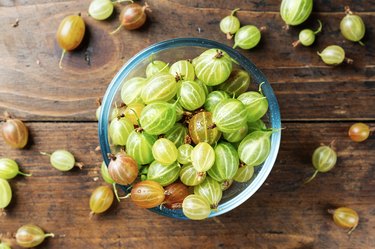
This bright, round fruit looks a lot like the standard green grape but much smaller; and the more ripe they are, the sweeter they taste. Gooseberries are packed with nutrients including vitamin C, potassium and fiber. One cup of gooseberries accounts for 23 percent of your DV of fiber.
31. Lemons: 5.9 g, 21% DV
Lemons add a pop of flavor to just about anything you add them to, such as a chicken dish or a plain cup of hot water.
Lemons are part of the citrus family, so it's no surprise that they're high in vitamin C but they're also high in dietary fiber, packing 21 percent of your DV in a cup without the peel.
32. Firm Tofu: 5.8 g, 21% DV
Tofu is an incredibly versatile and inexpensive source of plant protein, which is why it's so popular among vegans and vegetarians. It's made from curdled soy milk that's been drained and pressed into a block — the longer it's pressed, the more firm the tofu becomes.
Protein-packed tofu is one of the best foods high in fiber and low in carbs, accounting for 21 percent of your fiber DV and only 7 grams of carbs in 1 cup. It's also a great source of calcium, iron, zinc, magnesium and potassium. Try it in these anything-but-bland tofu recipes.
33. Winter Squash: 5.7 g, 21% DV
This pear-shaped, striped squash is similar in taste to butternut squash, but it's known for its unique appearance and thicker skin. Like butternut, it can be stored for a while before spoiling, so it's a great veggie to grab at the grocery store.
It's also highly nutritious and a wonderful source of fiber: 1 cup of cubed cooked butternut squash serves up 21 percent of your DV of fiber.
34. Parsnips: 5.6 g, 20% DV
This starchy vegetable is one of the most versatile foods high in fiber and low in fat. It maintains its texture long after being cooked in soups and stews.
Parsnips have a sweet, delicate flavor and are a great source of fiber with 20 percent of your DV per cup cooked. Parsnips are also rich in vitamins K, C and E.
35. Pears: 5.5 g, 20% DV
Snack on one medium pear and you'll get 20 percent of your DV for fiber. Juicy pears make for a delicious addition to smoothies, yogurt bowls and even savory meats. But if you're in the mood for something sweet, try them in these tasty pear dessert recipes.
36. Kiwifruit: 5.4 g, 19% DV
Kiwifruit often goes by kiwi and is sometimes called Chinese gooseberry. It's small, fuzzy and oval-shaped with a green, sweet, seedy inside and is loaded with nutrition.
In addition to packing 19 percent of your DV of fiber in 1 cup sliced, kiwi is also a great source of vitamin C, providing 185 percent in that same serving. It is also rich in vitamin K, vitamin E and potassium.
37. Kale: 5.2 g, 19% DV
This dark, leafy green, most notable for its high vitamin K content, is a keto food that's high in fiber. One cooked cup of chopped kale provides 453 percent of your DV of vitamin K and that same portion accounts for 19 percent of your DV of fiber (with just under 7 grams of carbs).
It's also rich in several other nutrients, including vitamins A, C and E as well as calcium. Check out these tips for how to add kale to your diet.
38. Amaranth: 5.2 g, 18% DV
This ancient pseudo-grain belongs to a different family than traditional grains like wheat and oats. It is, however, quite similar in terms of its nutritional value and delivers a healthy serving of fiber: 18 percent of your DV in 1 cup cooked.
Amaranth also has 38 percent of your DV for magnesium and 29 percent of your DV for iron. The best way to cook amaranth, like most grains, is to boil it in a medium pot for about 20 minutes until all of the liquid is fully absorbed.
39. Buckwheat: 4.6 g, 16% DV
If you're looking for a great alternative to rice that's even more nutritious, consider buckwheat, a small, triangular-shaped grain that's high in fiber. A single cup of cooked buckwheat has 16 percent of your DV of fiber.
Buckwheat provides a healthy energy source with 11 percent of your DV of carbs and protein. It also offers up an array of other nutrients including B vitamins, zinc, copper and folic acid.
40. Oatmeal: 4 g, 14% DV
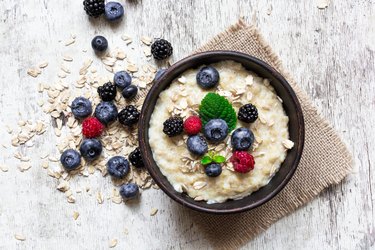
Oatmeal is a popular breakfast food high in fiber for good reason: 1 cup cooked has 14 percent of your DV for fiber as well as nearly 6 grams of protein. Try the whole grain in these high-protein overnight oats recipes that practically make themselves.