A Hibiscus Tea Allergy
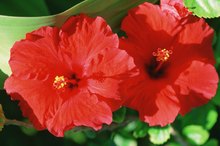
Hibiscus blossoms are large, showy and vividly colored 2. The hibiscus is a much-loved garden plant anywhere within its natural range 2. It can also be eaten fresh as a garnish on salads and other foods, or dried to make a refreshing hot or cold herbal tea. It's widely used in commercial herbal tea blends for its flavor and deep red color. Unfortunately, for some, it can cause an allergic reaction.
About the Hibiscus
Most hibiscus varieties are warm-weather plants, growing in the world's tropical and subtropical regions 2. A few cultivars have been selectively bred for cooler climates, but on the whole, the hibiscus is happiest where the weather is warm 2. The flower blossoms are edible, with a tart flavor reminiscent of cranberries or citrus fruit. It's sometimes called "red sorrel," because sorrel, a cooking and salad green popular in Europe, has a similarly tart flavor.
Hibiscus Tea
Herbs for Post Nasal Drip
Learn More
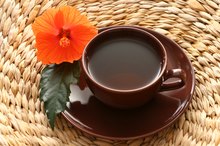
Hibiscus tea is widely consumed around the world as a pleasant and soothing hot or cold beverage 2. The tea develops a deep red color from the pigment of the blossoms, and the petals' tart and fruity flavor comes through well in the tea. Hibiscus tea is pleasant on its own and is also widely used as the basis for mixed herbal tea blends 2. Hibiscus provides a dominant flavor note, complemented by the more subtle flavors of other herbs 2. Medically, Hibiscus tea has shown an ability to lower blood pressure, according to a 2008 article posted on the USDA's Agricultural Research website 12.
Hibiscus Allergy
Unfortunately, like many other flowers, hibiscus can be an allergy trigger for some people 2. Symptoms will usually resemble hay fever, with stuffed sinuses, itchy red eyes and, occasionally, a sore or constricted throat. If you are allergic to hibiscus flowers, you'll usually begin to experience symptoms soon after drinking hibiscus tea or a blend containing hibiscus 2.
Avoidance
Wheat Beer Calories
Learn More
Hibiscus is not as difficult to avoid as more common allergens, such as milk or eggs 2. Its use is primarily in herbal teas and herb tea blends, including several of the most popular commercial brands. Hibiscus and its extracts are sometimes used in herbal remedies and flavoring syrups, so be diligent about reading the label before using any herbal product 2. If you suffer from hay fever and pollen allergies, introduce flower-based products to your diet one at a time, and monitor yourself closely for any reactions.
Related Articles
Herbs for Post Nasal Drip
Learn More
Wheat Beer Calories
Learn More
Manzanilla Tea Benefits
Learn More

How Many Calories Are in Malt Liquor?
Learn More
How to Treat Eczema & Psoriasis With Tea
Learn More
Tamarind Spice Allergy
Learn More
Side Effects of Hibiscus Tea
Learn More
Wasabi for Aiding Sinus Congestion
Learn More
How Much Hibiscus to Lower Blood Pressure?
Learn More
At Home Remedies for Clogged Sinus
Learn More
References
- USDA Agricultural Research Service; Study Shows Consuming Hibiscus Tea Lowers Blood Pressure; Rosalie Marion Bliss; November 2008
- Drugs.com; Hibiscus
- Aziz, Z.; Wong, S.; and Chong, N. Effects of Hibiscus sabdariffa L. on serum lipids: a systematic review and meta-analysis. J Ethnopharmacol. 2013 Nov 25;150(2):442-50. doi:10.1016/j.jep.2013.09.042.
- Mozaffari-Khosravi, H.; Jalali-Khanabadi, B.; Afkhami-Ardekani, M. et al. The effects of sour tea (Hibiscus sabdariffa) on hypertension in patients with type II diabetes. J Hum Hypertens. 2009 Jan;23(1):48-54. doi:10.1038/jhh.2008.100.
- Mozaffari-Khosravi, H.; Jalali-Khanabadi, B.; Afkhami-Ardekani, M. et al. Effects of sour tea (Hibiscus sabdariffa) on lipid profile and lipoproteins in patients with type II diabetes. J Altern Complement Med. 2009 Aug;15(8):899-903. doi:10.1089/acm.2008.0540.
- Serban, C.; Sahebkar, A.; Ursoniu, S. et al. Effect of sour tea (Hibiscus sabdariffa L.) on arterial hypertension: a systematic review and meta-analysis of randomized controlled trials. J Hypertens. 2015 Jun;33(6):1119-27. doi:10.1097/HJH.0000000000000585.
- Wisetmuen, E.; Pannangpetch, P.; Kongyingyoes, B. et al. Insulin secretion enhancing activity of roselle calyx extract in normal and streptozotocin-induced diabetic rats. Pharmacognosy Res. 2013 Apr-Jun; 5(2): 65–70. doi:10.4103/0974-8490.110520.
- Wahabi HA, Alansary LA, Al-Sabban AH, Glasziuo P. The effectiveness of Hibiscus sabdariffa in the treatment of hypertension: a systematic review. Phytomedicine. 2010 Feb;17(2):83-6.
Writer Bio
Fred Decker is a trained chef and certified food-safety trainer. Decker wrote for the Saint John, New Brunswick Telegraph-Journal, and has been published in Canada's Hospitality and Foodservice magazine. He's held positions selling computers, insurance and mutual funds, and was educated at Memorial University of Newfoundland and the Northern Alberta Institute of Technology.