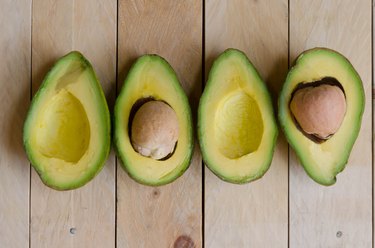
If you hesitate to enjoy avocados due to their high-fat reputation, it's time to gain a new perspective. Sure, they contain fat, but it's primarily the healthy type of monounsaturated fat known to lower cholesterol.
Avocados are also packed with nutrients, including fiber, potassium and essential vitamins. And you can eat avocados every day if you limit the serving size to avoid getting too many calories.
Video of the Day
Video of the Day
Are Avocados Good for You?
Ah, yes, the crux of the issue: "Is avocado good for you?" The short answer is yes! Aside from their ability to lend a creamy texture and morph into delicious recipes, avocados have long been a favorite of healthy eaters everywhere. The nutritional benefit from one avocado far outweighs any negative stereotype that may accompany it.
Avocado Nutrition Facts
The biggest challenge to including avocados in your daily diet is to keep an eye on calories, especially if you're trying to lose weight. One serving of avocado — one-third of a medium avocado — contains:
- 80 calories
- 8 grams of fat
- 4 grams of carbs
- 1 gram of protein
It's easy to track your consumption when the avocado is sliced and added to a salad or sandwich. But it's more of a challenge to judge your serving size when it's mashed and added to soup or if you're dipping tortilla chips in guacamole.
Read more: 9 Delicious Recipes Made With Healthy Fats
Health Benefits of Avocados
People who eat avocados regularly tend to have healthier diets overall. Research published in 2013 in Nutrition Journal indicate that avocado consumers eat more of the nutrients that are lacking in typical American diets, such as dietary fiber, potassium, magnesium and vitamins E and K.
Due to the health benefits of avocados, those who eat them typically have lower weight, BMI and waist circumference than their avocado-averse counterparts.
1. Healthy Unsaturated Fats
Most of the fat in avocados comes in the form of healthy unsaturated fats. They're especially high in monounsaturated fat, which boosts your levels of good HDL cholesterol without raising the bad LDL cholesterol. Monounsaturated fats may also help lower triglycerides in your bloodstream.
A 2015 study published in the Journal of the American Heart Association found that eating one Hass avocado per day decreased overall cardiovascular disease risk factors.
You can work this amount of fat into your daily diet as long as your total fat intake stays within the recommended range: According to the Institute of Medicine, 20 to 35 percent of your daily calories should come from fat.
2. Added Dietary Fiber
Chances are good that you need to add fiber to your diet. Most Americans only consume 17 grams of fiber daily, compared to the recommended daily intake of 25 grams for women and 38 grams for men, reports the Academy of Nutrition and Dietetics.
Adding avocados to your daily diet will help you increase your fiber because you'll get 3 grams from one serving. The soluble fiber in avocados helps protect your cardiovascular health by lowering levels of cholesterol. It also slows down the absorption of carbohydrates, which keeps your blood sugar balanced.
3. Loads of Nutrients
Even though avocados are a little high in calories, those calories come packaged together with a good dose of nutrients. A third of the fruit has 250 milligrams of potassium, which is about half as much as a large banana. Potassium can help lower your blood pressure and keeps your muscles and nerves working.
Avocados are a good source of many of your daily vitamins. You'll get about 4 percent of the recommended dietary allowance of vitamin C, 6 percent of your daily niacin and 10 percent of the daily folate from a third of an avocado. The same portion is also a good source of vitamin K and contains vitamin E.
7 Healthy and Delicious Avocado Recipes
The avocado's versatility in recipes is one of the reasons it is so popular in modern cuisines. Its status as a health food and a trendy recipe ingredient have created an explosion in consumption in many homes. Try one of the following ways to eat avocado every day.
1. Avocado Toast
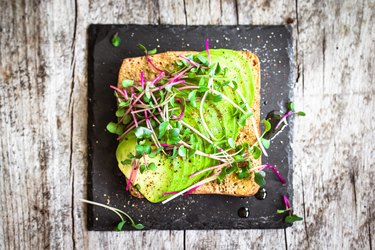
Avocado toast is made by toasting a slice of whole-grain bread and spreading half an avocado on top. Avocado toast can be topped with many other healthy accompaniments, such as a cooked egg, strawberries, field greens, tomatoes or simply sprinkled with salt and pepper.
2. Avocado Smoothie
To make a smoothie for one person, add a quarter of a Hass avocado, a small banana, a half-cup of unsweetened almond milk, a handful of fresh spinach leaves, a teaspoon of honey and a half-cup of ice to a blender and blend until smooth.
3. Avocado Salad
An avocado salad is anything that satisfies your imagination and appetite. For a main dinner salad for two people, combine:
- Two 3-ounce grilled chicken breasts, cut into bite-size pieces
- 2 diced tomatoes
- 1/2 cup of thinly sliced red onion
- 1 chopped avocado
- 2 tablespoons of extra-virgin olive oil
- 2 tablespoons of lemon juice
- 1/4 teaspoon of salt
- 1/8 teaspoon of black pepper
4. Avocado Ice Cream
Avocados can be blended into just about everything, including making your own ice cream. A vegan alternative to dairy ice cream, avocados can be blended with bananas to create a dessert that has the same texture as soft-serve ice cream.
Cut into slices two medium-size ripe bananas and place in the freezer until frozen solid. In a strong food processor, add frozen bananas and peeled and seeded avocado. Puree until soft, scraping down the sides if the banana is not wanting to blend. Scoop it out into four individual serving bowls and add carob chips or mini chocolate chips for extra sweetness.
5. Guacamole
Traditional guacamole is made by mixing half of a small diced tomato, two tablespoons of chopped onion, one tablespoon of chopped cilantro and a teaspoon of minced jalapeno into a bowl. A whole peeled and seeded avocado is then smashed into the tomato mixture. The guacamole is sprinkled with salt, pepper and a small amount of freshly squeezed lime juice.
6. Avocado Dressing
Green goddess dressing is typically a mayonnaise-based salad dressing, but it can be made healthier by using avocado instead. In a blender, combine:
- One peeled and seeded avocado
- 1/2 cup of buttermilk
- 2 tablespoons of lemon juice
- 2 tablespoons of chopped chives
- 2 tablespoons of chopped parsley
- 1 small garlic clove
- 1/4 teaspoon of salt
- 1/8 teaspoon of black pepper.
Blend until smooth and serve with your favorite greens.
7. Avocado Deviled Eggs
Avocado can be a good substitute for mayonnaise in deviled eggs because of its creamy texture. For six hard-boiled eggs, cut the eggs in half and add the yolks to a small bowl. Add half of a smashed avocado, a quarter-cup of greek yogurt, one teaspoon of Dijon mustard, an eighth of a teaspoon of kosher salt and a pinch of black pepper. Mix the yolk mixture together and fill the egg whites.
Read more: 12 Yummy New Avocado Recipes
What Else Is Avocado Good For?
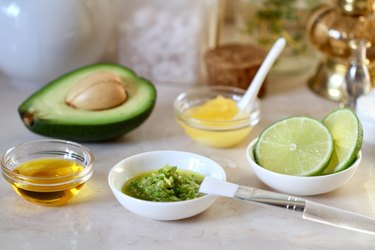
Avocados are not only good for nourishing your body from the inside out, they can also help do the same from the outside in. Avocados can be mixed with common household ingredients to benefit your hair and skin. Avocados are often blended with bananas, honey, olive oil and various essential oils to treat and condition dry, oily or dull locks.
Avocado is a common ingredient for creating a DIY face mask. A 2018 article published in International Journal of Molecular Sciences stated that avocados can improve damaged skin that may be dry or chapped. Avocados can be combined with many other foods, such as apricots, honey, oatmeal, egg yolks or yogurt, to create a nourishing face mask.
Read more: 8 Cool Things You Can Do With Avocados
Frequently Asked Questions About Avocados
Avocados are just about as common as bananas in grocery stores today. However, that wasn't always the case. If you are new to eating avocado and are feeling intimidated by buying one, know that you are not alone. There are certain factors to keep in mind when it comes to choosing avocados.
1. How Can You Tell If an Avocado Is Ripe?
The most commonly eaten avocado, the Hass avocado, is ripe when the skin begins to turn black. A green Hass avocado is not ripe yet. You can also tell by the feel of an avocado. While you never want to squeeze an avocado too hard, which can cause bruising, a gentle push on the skin will let you know if it's ready to eat. A hard avocado is not ready, but one with a gentle give in the skin will be smooth and creamy inside.
If you find an avocado with a soft give to the skin and it is black in color, it may be ripe or it may be overripe. An overripened avocado will be brown inside and will have a different smell and taste. One way to check if your avocado is still green inside is to remove the small stubby stem on the top of the avocado. This will either show a green or brown interior.
2. How Do You Cut an Avocado?
Cutting into an avocado can be tricky if the outside skin is tough. Always use a sharp knife when cutting into an avocado to reduce slipping. Slice the avocado in half and twist to loosen the flesh from the seed. If the avocado is ripe, the seed should pop right out with a nudge of the fingertips.
3. Can You Eat the Avocado Seed?
There has been a lot of buzz lately about the nutritional benefits of eating the seed of an avocado. The California Avocado Commission does not recommended it.
There's no research indicating any nutritional benefits from eating the seed, and it's probably worth mentioning that you won't do your blender any favors either. Most studies are conducted on possible benefits of avocado seed extract, not the seed itself.
4. Is an Avocado a Fruit or Vegetable?
Avocados are common in lunch and dinner dishes and accompany savory flavors in dips and sauces. According to the Hass Avocado Board, avocados are a single-seeded berry fruit. So the question is settled: Biologically, avocado is a fruit.
- USDA National Nutrient Database: Avocados, Raw, All Commercial Varieties
- NYU Langone Medical Center: Avocado: The Misunderstood Fruit
- Institute of Medicine: Dietary Reference Intakes
- Health.gov: Dietary Guidelines for Americans 2010
- USDA National Nutrient Database: Bananas, Raw
- McKinley Health Center: Macronutrients: The Importance of Carbohydrate, Protein, and Fat
- California Avocado Commission
- Hass Avocado Board
- Critical Reviews in Food Science and Nutrition: Hass Avocado Composition and Potential Health Effects
- Journal of the American Heart Association: Effect of a Moderate Fat Diet With and Without Avocados on Lipoprotein Particle Number, Size and Subclasses in Overweight and Obese Adults: A Randomized, Controlled Trial
- Academy of Nutrition and Dietetics: Health Implications of Dietary Fiber
- International Journal of Molecular Sciences: Anti-Inflammatory and Skin Barrier Repair Effects of Topical Application of Some Plant Oils