Holly Kuchera/iStock/Getty Images
Nonstarchy vegetables are low in calories and carbohydrates, yet they provide a surprising quantity of nutrients and antioxidants. An analysis published in the December 2012 issue of "Food and Chemical Toxicology" noted that 20,000 cancer cases annually could be prevented by increasing vegetable (and fruit) intake. Reach for nonstarchy vegetables whether you monitor carbohydrate counts for diabetes management, follow a low-carbohydrate diet or are simply looking to add more nutritional punch to your plate.
Flavorful Alliums
RawFile/iStock/Getty Images
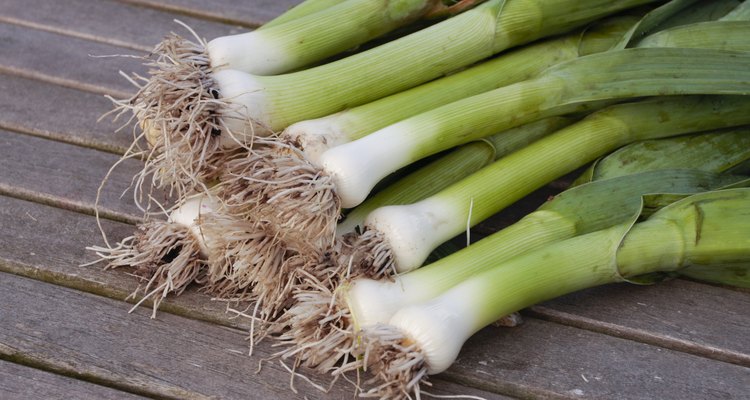
Garlic, onion, leeks, chives and scallions are nonstarchy vegetables and members of the Allium family. These vegetables are commonly put to use in cooking for the strong flavors they impart to food; however, they also hold medicinal properties. According to a review published in 2004 in "Asian Pacific Journal of Cancer Prevention," the organosulfur compounds derived from Allium vegetables exhibit anti-cancer effects by inhibiting mutagenesis (events that lead to mutations), modulating enzymes, preventing DNA damage and scavenging free-radicals.
Cruciferous Vegetables
tashka2000/iStock/Getty Images
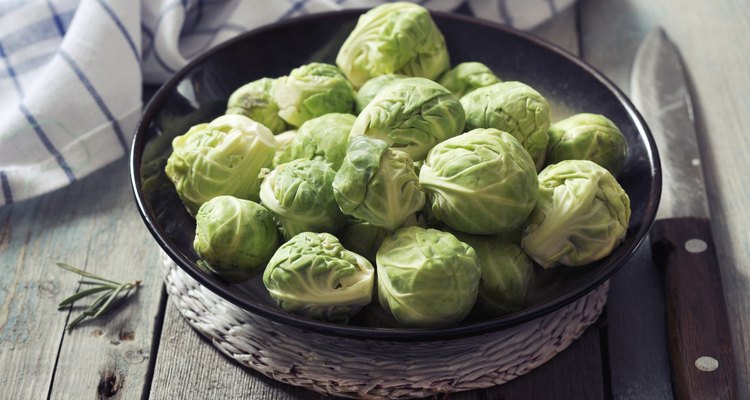
Cruciferous vegetables are nonstarchy and part of the Brassica family. They include arugula, bok choy, broccoli, brussels sprouts, cabbage, cauliflower, collard and mustard greens, horseradish, kale, radishes, rutabaga, turnips and watercress. In the April 2010 issue of "BMC Cancer," researchers from the Roswell Park Cancer Institute demonstrated cruciferous vegetable consumption was inversely associated with lung cancer risk among smokers, most prominently among former smokers. Further, a meta-analysis published in the November 2011 issue of "International Journal of Urology" reports cruciferous vegetable consumption was associated with a significantly reduced risk of prostate cancer.
Lettuce Leaves
Bruce Block/iStock/Getty Images
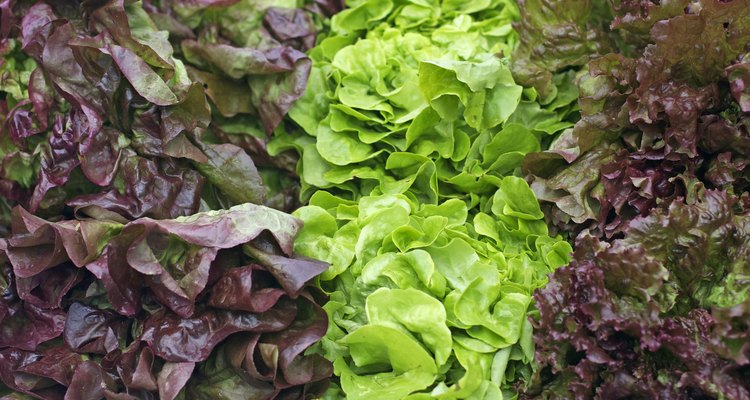
Varieties of lettuce include leaf (red or green), crisphead (iceberg varieties), butterhead (bibb or Boston) and cos (romaine). The spine and ribs of lettuces provide fiber, while vitamins C and A and potassium are within the delicate leaves. In a study published in "Spanish Journal of Agricultural Research" in 2011, researchers determined that total antioxidant capacity is higher in the outer leaves as opposed to middle and inner leaves in both red and green lettuces.
Healthy Nightshades
Baloncici/iStock/Getty Images
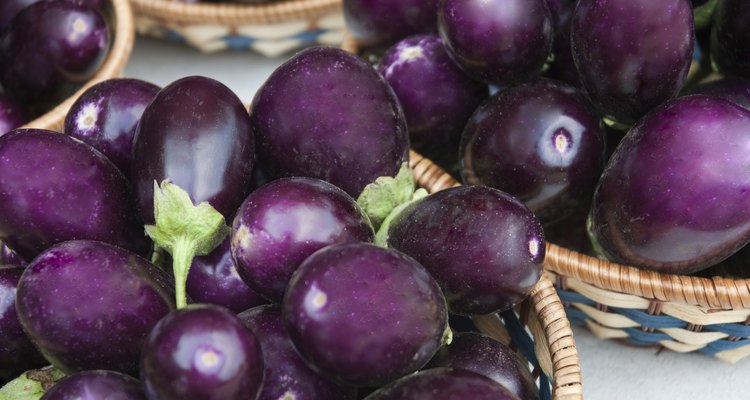
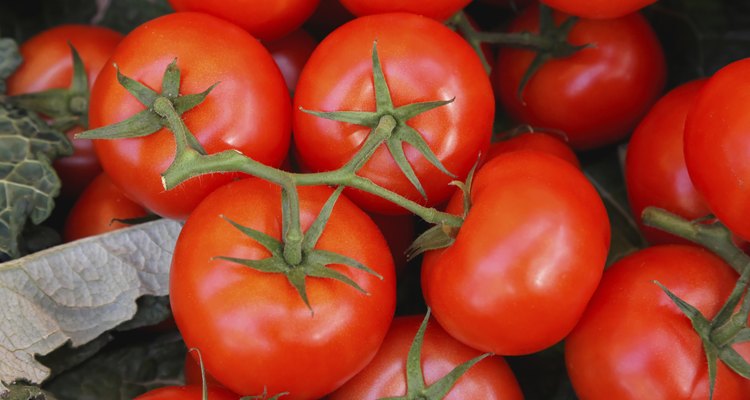
Nonstarchy nightshades – as part of the Solanaceae family – include tomatoes, all varieties of peppers (green, red, jalapeno, chili) and eggplant. Tomatoes are a rich source of the anti-inflammatory antioxidant lycopene. In a study published in the October 2012 issue of "Neurology," researchers identified a connection between elevated lycopene levels in the blood and stroke protection. Men with the highest concentration of lycopene in their blood had a 55 percent lower risk of having any type of stroke. Nightshades are unusual because substances they naturally produce to protect themselves from insects – called alkaloids -- can elicit a physiological reaction in humans. Many people are sensitive to the alkaloids in nightshades.
Related Articles
How to Cook Mixed Greens
What Foods Provide Calcium D-Glucarate?

How to Cook Crawfish
How to Cook Brussels Sprout Greens
Nutrition Information on Blueberries
Different Types of Fruits & Vegetables

What Effects Can Stress Have on a ...
How to Roast Turnips

Steamed Vegetable Diet
How to Steam Cauliflower & Broccoli
How to Cook Winter Root Vegetables in a ...
How to Cook Brussel Sprout Greens
Traditional Uses of Cuscuta
What Are the Health Benefits of Cooked ...

How to Cook Fresh Turnip Greens
How to Juice a Daikon Radish

How to Broil Filet Mignon Wrapped in ...
What Is Transitional Housing?

Which Vegetables Produce the Most ...

How to Freeze Lentils
References
- American Diabetes Association: Non-Starchy Vegetables
- Food and Chemical Toxicology: Estimation of Cancer Risks and Benefits Associated with a Potential Increased Consumption of Fruits and Vegetables
- BMC Cancer: Cruciferous Vegetable Intake Is Inversely Associated with Lung Cancer Risk Among Smokers: A Case-Control Study
- The International Journal of Urology: Cruciferous Vegetables Intake and Risk of Prostate Cancer: A Meta-Analysis
- Purdue University Department of Horticulture and Landscape Architecture: Lettuce and His Relatives
- University of Illinois Extension: Watch Your Garden Grow
- Spanish Journal of Agricultural Research: Effect of Leaf Position on the Distribution of Phytochemicals and Antioxidant Capacity Among Green and Red Lettuce Cultivars
- Harvard Health Publications: Lycopene-Rich Tomatoes Linked to Lower Stroke Risk
Writer Bio
Sara Police has been writing nutrition and fitness-related articles since 2012. Her research has been published in scientific journals such as "Current Hypertension Reports," "Obesity" and the "American Journal of Physiology." She holds a PhD in nutritional sciences from the University of Kentucky and teaches online nutrition courses for Kaplan University.
Photo Credits
Holly Kuchera/iStock/Getty Images