lvenks/iStock/Getty Images
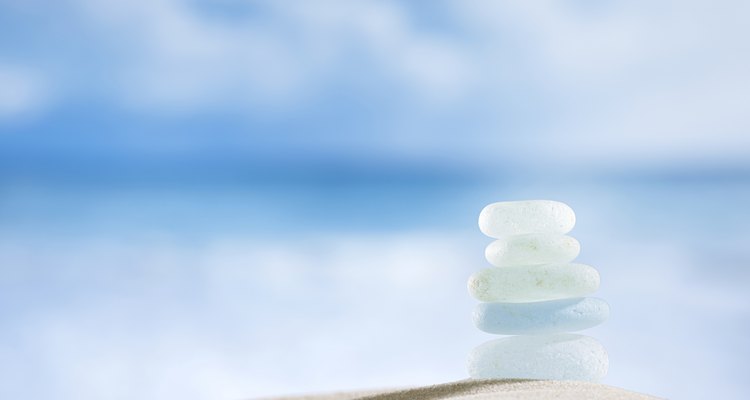
Sea glass: It starts its life as cast-off garbage, is utterly destroyed by the sea, then becomes almost magically beautiful during the process of that destruction. Finally, the trash becomes luminous, velvety pieces of captured light, waiting to be retrieved from a sandy beach. Pull on your sneakers, bring a bag and head for the rugged beaches of Maryland to find your own bits of these recycled treasures.
Great Location
Because industrial-age, glass-using humans have lived on Maryland's shores for a long time, the amount of castaway glass in its waters is proportionally much higher than it is on other coasts. Plastic has supplanted glass in most household packaging since the middle of the past century, but Maryland sea-glass collectors find a surprising amount of the now-rare material on its shores -- especially around the Chesapeake Bay area, where a historically dense population and excellent conditions combine.
Perfect Conditions
Conditions on the eastern shores of the Chesapeake Bay deliver the most bountiful harvest of sea glass in the state. These beaches have turbulent waves -- made even choppier by a steady stream of ship traffic -- and high-banked beaches that "grab" the detritus as these tall, crisp waves throw it high on the shore.
Good Beaches to Start Searching
To start your search, head to Tolchester Beach, on the Eastern Shore near Chestertown. This stretch of beach, too pebbly and steep for sunning and often too windy for comfort, delivers a nice walking workout with your beachcombing. Other reportedly good places to search are North Beach, Oxford Beach -- home of the town's now-submerged original landfill -- and the shore at Sandy Point State Park.
Get Moving
During an annual Sea Glass Weekend, docents at the Chesapeake Bay Environmental Center lead guided treasure hunts that begin at their headquarters in Grasonville. Join the group to stroll the local public beaches, then learn about the history of sea glass and beachcombing at a lecture afterward. Stay for the weekend to enjoy the center's long list of more cardio-focused activities: among them, kayaking, hiking and geocaching.
Related Articles
Beaches in Maine to Find Sea Glass

The Best Snorkeling Along the Florida ...
Sea Glass Beaches in Florida
Best Beaches Near Fayetteville, North ...

Free Things to Do in Milwaukee

San Diego Beaches With Shells

Fun Things to Do in Oregon With Kids
Free Things to Do in North Carolina

Top Ten Places to Retire in Colorado

Free Things to Do in Austin

Free Things to Do in Lansing, Michigan

Free Things to Do in Salem, ...
Things to Do With Kids in Long Island

Anniversary Ideas for Couples in ...
Beaches in Virginia Closest to West ...

5 North Carolina Family Vacation Ideas
Beaches Near Greenville, North Carolina

Things to Do in Tulsa For Kids
Largest Lakes in Texas
Free Things to Do in Daytona Beach
References
Writer Bio
Annette O'Neil is an air sports athlete, digital nomad, full-time traveler and yogini. A writer for more than a decade, O'Neil has written copy, content and editorial articles for hundreds of clients and publications, including Blue Skies Magazine and Whole Life Times.
Photo Credits
lvenks/iStock/Getty Images