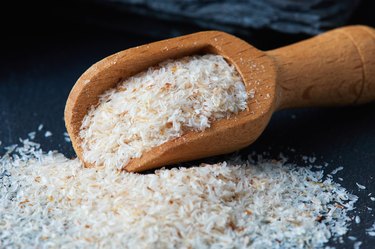
If you have diabetes and you're trying to get more fiber in your diet, you may have heard about psyllium husk. But how do you know if this supplement, extracted from the husk of the psyllium seed, is the best fiber supplement for diabetes? And is it something you even need?
Psyllium husk for diabetes has some benefits, but fiber supplements may not provide the same level of fullness that you get from fiber in whole foods, says the Academy of Nutrition and Dietetics. Better to reach your fiber goal with food before reaching for supplements, the academy says. Women should aim for 25 grams of fiber daily; men need about 38 grams (or 14 grams per 1,000 calories) a day.
Video of the Day
Video of the Day
That said, psyllium may have a role to play.
"The average American gets less than 15 grams of fiber per day. Psyllium supplements are beneficial for anyone looking to increase fiber in the diet," Meghan McLarney, RD, CDE, certified diabetes educator at University of Nebraska Medical Center in Omaha, says. "Benefits for diabetes include lowering cholesterol and helping to regulate bowel movements."
Fiber Bonus for Type 2 Diabetes
In addition to the benefits of fiber for everyone, there are specific benefits for people with diabetes. A meta-analysis of 15 studies published in January 2012 in the Journal of the American Board of Family Medicine that compared fiber supplements to a placebo for people with type 2 diabetes found some important benefits. These included decreasing the average three-month blood sugar level (called HbA1c) and a reduction in fasting blood sugar.
"People with type 2 diabetes have found that psyllium supplements, taken with adequate water, have reduced appetite, which can help prevent overeating. Fiber also has an effect on slowing and reducing overall carbohydrate absorption, which can lead to lower spikes in blood sugar after eating," McLarney says.
A study from the University at Buffalo, presented at the annual meeting of the Endocrine Society in March 2018, found that fiber supplements in type 2 diabetes boosted insulin secretion in people with type 2 diabetes, even after eating a high-fat, high-cholesterol meal. Fiber supplements were shown to lower blood sugar, decrease inflammation and increase insulin secretion.
Risks, Side Effects and Dosing
"There are common issues that can impact people with diabetes who are taking psyllium," McLarney says. "If not drinking enough water, fiber can slow down digestion and cause uncomfortable constipation. To complicate this issue, many people with diabetes have a slower digestion due to a condition called gastroparesis. People with this condition should not use fiber supplements, including psyllium, without a doctor and dietitian supervising."
The Academy of Nutrition and Dietetics adds that it is important to increase fiber in your diet gradually. Adding too much fiber too fast can cause nausea or constipation if you don't increase your fluid intake.
Psyllium supplements usually come in 5-gram doses. McLarney says to try taking two separate 5-gram doses per day, each with a tall glass of water, for about a week. Then, add a third dose per day to reach about half of your daily fiber goal with psyllium supplements.
Whole Foods Reign Supreme
If you get enough fiber from foods, you don't need to take a supplement. In fact, the American Diabetes Association (ADA) lists high-fiber foods, such as whole grains and beans, among a list of superfoods for diabetes because they provide important vitamins and minerals along with fiber.
"In general, it is best to aim for food sources of fiber in your diet," McLarney says. "Many fiber additives don't impact cholesterol or blood sugars as well as fiber in food sources."
Fiber from whole foods only comes from plants. Fiber is the undigested part of fruits, vegetables, grains, nuts and legumes. The ADA says these are the best:
- Beans, chickpeas and lentils.
- Edible skin of fruits and vegetables.
- Whole grains.
- Nuts and seeds.
The overall advice on fiber for diabetes? "Add fruits, vegetables and beans to your diet," McLarney says. "This will help you feel more satisfied and control other risk factors of diabetes such as heart disease."
Read more: What's the Difference Between Soluble and Insoluble Fiber, and Do You Really Need Both?
- Academy of Nutrition and Dietetics: "Easy Ways to Boost Fiber in Your Daily Diet"
- Meghan McLarney, MS, RD, LMNT, CNSC, CDCES, nutrition therapist specialist, certified diabetes educator, University of Nebraska Medical Center, Omaha
- Journal of the American Board of Family Medicine: “Dietary Fiber for the Treatment of Type 2 Diabetes Mellitus: A Meta-Analysis”
- University at Buffalo: “Study Finds Fiber Supplement Increased Insulin Secretion in Type 2 Diabetic Patients”
- American Diabetes Association: "Diabetes Superfoods: What Superfoods Are Good for Diabetes?"
- ADA: "Get to Know Carbs"