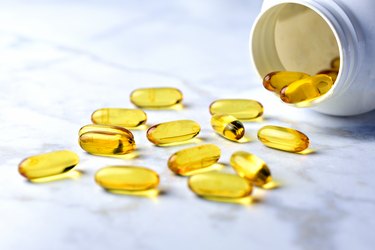
Omega-3 fatty acids are best known for their variety of potential health benefits. However, as with many other nutrients, consuming too much omega-3 can be detrimental, potentially causing problems such as altered immune function.
To avoid these risks, you can choose dietary omega-3s and limit your supplement intake to a safe level.
Video of the Day
Video of the Day
Tip
Too much omega-3 can have negative affects on your health, including altered immune function.
Avoid Too Much Omega-3
Fish oil is a supplemental form of omega-3 fatty acids used to treat many conditions, including high triglycerides. According to Mayo Clinic, fish oil can also be effective for reducing risk for heart disease. Howard LeWine, M.D., chief medical editor of Internet Publishing at Harvard Health Publications, notes that even though deficiencies in omega-3s have been linked to cancer, mood disorders, arthritis and other health problems, this does not mean that higher doses translate into greater protection against disease.
It has been suggested that high levels of fish oil are linked to prostate cancer, however it has not been established to be a direct cause of the cancer, as discussed in a July-August 2015 article published by Journal of the Advanced Practitioner in Oncology.
In fact, according to an April 2014 article published by Mayo Clinic Proceedings, other research has linked a regular high intake of fish to a significant increase in survival rates in men who already have prostate cancer.
According to a 2013 article published on the Oregon State University website, excess omega-3 fatty acids can also alter immune function, which can lead to a diminished response to infection.
Consider the Source
All of the conflicting information on omega-3s can leave some people confused, to say the least. LeWine, however says you should still consider fish and seafood, rich in omega-3 fats, as healthy foods. This is because, unlike supplements, whole foods contain a combination of nutrients — including vitamins, minerals, omega-3s and other molecules — that work together. Other whole foods that contain omega-3s include flaxseed, flaxseed oil, walnuts, chia seeds and canola oil.
Omega-3 Dosage for Adults
If you do decide to take omega-3 supplements, it is important to follow the proper omega-3 dosage for adults. According to the National Institutes of Health, there isn't enough research available to develop a Recommended Daily Allowance for this fatty acid. However, the Adequate Intake, or assumed amount to ensure adequate nutrition is 1.1 grams for adult females and 1.6 for adult males.
When consuming omega-3s through dietary sources, you should avoid certain fish due to their potential contamination with mercury and other chemicals. These include shark, king mackerel and farm-raised salmon.
Talk to your doctor before taking omega-3 supplements to be sure they are safe for you. According to Mayo Clinic, these supplements can potentially interact with several types of medications, including blood thinners, blood pressure drugs, contraceptives, weight-loss drugs and vitamin E.
- Harvard Medical School: "Fish Oil: Friend or Foe?"
- Oregon State University: "Excess Omega-3 Fatty Acids Could Lead to Negative Health Effects"
- Journal of the Advanced Practitioner in Oncology: "Weighing the Benefits of Fish Oil for Patients With Prostate Cancer: A Subcohort Review From the SELECT Trial"
- Mayo Clinic Proceedings: "Omega-3 and Prostate Cancer"
- Mayo Clinic: "Fish Oil"
- National Institutes of Health: "Omega-3 Fatty Acids"