Westend61/Westend61/Getty Images
If you’re considering swapping the meat and cheese in your diet for veggie burgers and broccoli, you’re far from alone. Nearly 23 million Americans consume vegetarian-inclined diets, according to a 2012 study by the Vegetarian Research Group, and more than 7 million people call themselves vegetarians. One million more have taken it an extra step and gone vegan -- nixing all foods (and household goods) derived from animals.
The vegan lifestyle appealed to me because of the triple punch it provides -- It's great for my health, promotes compassion for all animals, and does not put as much of a burden on our planet's precious resources as does a meat-centric diet.
Dina Aronson, vegan registered dietitian in Montclair, New Jersey
Plant-Based Eating is Easier on the Planet
Unlike vegetarians, who typically consume some amount of animal-derived products -- such as cow's milk, eggs or honey -- and who may utilize animal-derived goods, including leather, beeswax and certain household cleaners, vegans use none of those products. What does that leave? Plants.
“The vegan lifestyle appealed to me because of the triple punch it provides," said longtime vegan Dina Aronson, a registered dietitian in Montclair, New Jersey. "It's great for my health, promotes compassion for all animals, and does not put as much of a burden on our planet's precious resources as does a meat-centric diet.”
The “triple punch” referenced by Aronson, co-author of "Minerals from Plant Foods: Strategies for Maximizing Nutrition," encompasses the primary motivators behind the plant-based regimen: Objection to the killing and consumption of animals based on the belief that such practices are not required for human survival, and disapproval of the treatment of factory-farmed animals, which are commonly caged in tiny, unclean spaces.
You may also desire a smaller ecological footprint. A study conducted at the University of Chicago in 2006 showed that an animal-heavy diet generates 1.5 more tons of carbon dioxide per person annually than a vegan diet, which also utilizes less water and land than animal food production.
A Vegan Diet Can Be Better for Your Health
loonara/iStock/Getty Images
The potential benefits of veganism are wide-ranging. Research published by the Academy of Nutrition and Dietetics in 2009 linked plant-based diets with lower blood pressure and cholesterol levels, a reduced risk for type-2 diabetes, leaner body mass and -- when compared to diets consisting of animal products -- overall reduced risks for cancer and chronic disease.
“Only one diet has ever been shown to reverse heart disease, opening up arteries without drugs, without surgery,” said Dr. Michael Greger, a Gaithersburg, Maryland-based general practitioner who specializes in clinical nutrition. “Only vegan diets have been shown to reverse the number one killer of men and women in the United States.”
A healthy vegan diet provides rich amounts of vitamins, minerals, disease-fighting antioxidants and fiber -- an indigestible carbohydrate that promotes satiation, blood sugar control, digestive wellness and heart health. One cup of cooked beans or lentils provides about 15 to 16 grams of fiber, fulfilling approximately half of many adults’ recommended daily requirement of 25 to 38 grams. By contrast, a grilled chicken sandwich on bread made with enriched flour provides less than one gram of fiber.
Most plants are also naturally cholesterol-free and virtually devoid of artery-clogging saturated fat. Beans and lentils, for example, are rich in protein and have no saturated fat and cholesterol, making them ideal vegan staples, according to Greger.
Poorly-Planned Vegan Diets Can Lack Key Nutrients
As with any lifestyle, a poorly planned vegan diet can lack important nutrients. Eating mainly white rice, mixed vegetables and vegan ice cream, for example, does not provide the high protein obtained from legumes and the calcium available in green leafy vegetables, such as kale.
“A healthful vegan diet is based primarily on vegetables, fruits, beans, nuts, seeds and whole grains,” said Aronson. “Foods like vegan energy bars, soy hot dogs and vegan coconut ice cream all have their place, but as with any diet, special occasion foods should be enjoyed in moderation.”
Vegetables, fruits, and whole grains are relatively low-calorie, yet filling. Poorly planned vegan diets therefore may lack calories and nutrients, particularly if you eat 100 percent raw foods, says Aronson.
A lack of calories and nutrients can create complications such as fatigue, headaches, foggy thinking, and a slowed metabolism. If you have difficulty meeting your nutrient needs solely from food -- which is the best source of nutrients, according to the Mayo Clinic -- discuss the potential need for dietary supplements with your doctor or dietitian.
“Another challenge arises when folks forget that plant-based foods are meant to be savored, embraced, and experimented with,” said Aronson. “A vegan diet is a joy, not a punishment, and should include delicious, flavorful cuisine. The idea that a vegan diet consists of a pile of plain steamed vegetables alongside boiled beans alongside brown rice is simply not reality.”
How to Transition to a Vegan Diet
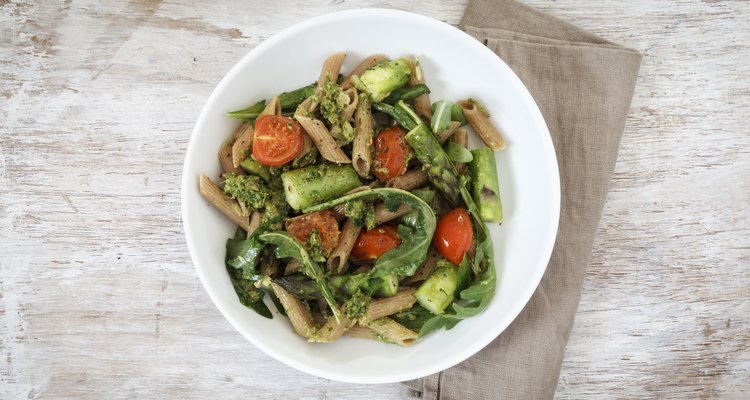
There is not just one right way to become vegan nor a single right length of time for the transition required. If you’re currently eating a meat- or dairy-dense diet, however, taking gradual steps toward veganism may help ease the process. Start by eating more fruits and vegetables, as well as unprocessed grains, such as brown rice and oatmeal.
For protein, begin substituting coconut milk for cow’s milk, and organic tofu, lentils or beans for fish, chicken and beef. The convenience of prepared vegan meals, such as frozen dinners and soups, can also help ease the transition.
Once you become more comfortable with a vegan diet, preparing your own meals can save money while enhancing your enjoyment and understanding of the cuisine.
“Most people only have about ten or so main meals that they cycle through," said Greger, "So I find it's a matter of recognizing the plant-based dishes people already enjoy, finding ways to tweak current favorites and then exploring some of the exciting new cuisines and tastes out there."
If you enjoy beef burritos, try bean burritos. Rather than enriched pasta with meatballs, top whole-grain pasta with marinara sauce and diced tofu. Keep your pantry well-stocked with vegan staples, such as seeds, nut butters, beans, rice and vegan breads and cereals. For sweet treats, try vegan smoothies or fresh fruit. To satisfy salt cravings, enjoy air-popped popcorn, kale chips, or almonds.
Remember to ask for help if you need it. Guidance from a registered dietitian who specializes in plant-based nutrition, Aronson says, can help ensure a successful conversion.
Six Vegan Superfoods
While variety and balance are pillars of a healthy diet, emphasizing particularly nutritious items can go a long way toward ensuring that your wellness needs are met.
-
Dark, leafy greens. Whether cooked or raw, leafy greens are packed with bone-supporting nutrients, such as calcium, magnesium, potassium and vitamin K. "Surprisingly, eaten in large enough quantity, they also provide small but significant amounts of protein and omega-3 fats," said registered dietitian Dina Aronson of Montclair, New Jersey. "They also have a ton of fiber and antioxidants."
-
Legumes. Beans, lentils and split peas are podded vegetables in a class of their own due to their rich protein, fiber and antioxidant content. Gaithersburg, Maryland-based physician Dr. Michael Greger calls legumes "protein superstars of the plant kingdom."
-
Berries. Top fruit sources for fiber, berries -- like most colorful produce -- provide antioxidants that boost the immune system. Most Americans fall below their daily fruit requirement, which is a minimum of 2 cups, according to the 2010 Dietary Guidelines for Americans.
-
Nuts and seeds. Significant sources of healthy fats and antioxidants, such as vitamin E, nuts and seeds also contain protein, fiber and carbohydrates. Aronson recommends emphasizing varieties high in omega-3 fats, such as flax seeds, chia seeds and walnuts. Omega-3 fats can reduce inflammation and promote positive brain function and heart health.
-
Bell peppers, carrots and tomatoes. These foods are as nutritious as they are colorful, according to Greger. Routinely consuming vegetables and fruits of various colors helps ensure that you reap a broad range of nutrients, as each provides its own blend.
-
Quinoa. The seed produced by quinoa is a significant source of protein and is rich in fiber. It also supplies all essential amino acids -- building blocks of lean tissue that support brain function -- and enhances blood sugar and appetite control.
Related Articles
The "Reducetarian" Trend and 6 Reasons ...
21-Day Vegan Diet
Bean Soup Diet

Calories in Pasta With Marinara Sauce

The Advantages of People Following ...

Menus for Toddlers & Five-Year-Olds for ...

The Best Shampoos for Thinning Hair in ...

Can I Exercise on the Master Cleanse ...

Nice Things to Write to Someone Who Has ...
How Many Calories in a Taco Bell Bean ...

Southeast Asian Diet & Nutrition

List of Vegetables for the Paleo Diet
Wild Rose D-Tox Rules

What Is the Nutritional Value of Wheat?
Greenbean Diet
Diets of Asian Martial Artists

Foods to Eat After Playing Football

The Pitta Dosha Diet
What Can I Substitute for Poppy Seeds ...
Can You Change Skin Tone with Food?
Resources
Writer Bio
August McLaughlin is a health and sexuality writer, media personality and author of "Girl Boner: The Good Girl's Guide to Sexual Empowerment." Her work appears in Cosmopolitan, The Washington Post, DAME Magazine and more. augustmclaughlin.com
Photo Credits
Westend61/Westend61/Getty Images