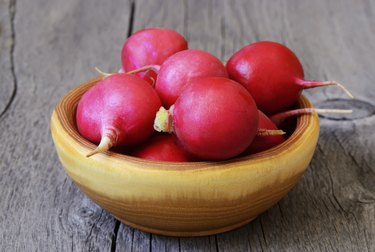
Vegetables are good for your health, but some of them contain high levels of sugar. Knowing which vegetables have a high glycemic index number and therefore affect the blood sugar faster is valuable information. The higher the glycemic index, the more sugar the food contains and the faster your blood sugar will feel the impact. Among the vegetables that are high in sugar, several fall into these categories: roots, sweet peppers, bulbs and starchy vegetables.
Serving Size
Video of the Day

Serving sizes are far less than you might think. If you're eating raw, leafy vegetables, which typically have more water content, 1 cup is a serving. For all other vegetables, stick to 1/2-cup, the American Heart Association's recommended serving size.
Video of the Day
Root Vegetables
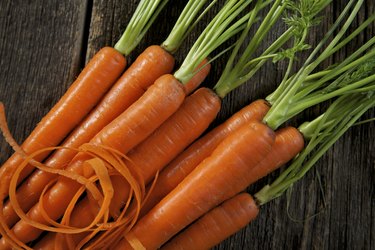
Per 100-gram serving, these root vegetables contain upwards of 3.8 grams of sugar: parsnips, carrots, radishes, rutabaga, turnips and beets. Chicory root claims the highest value among root vegetables at 8.7 grams of sugar.
Chili Peppers
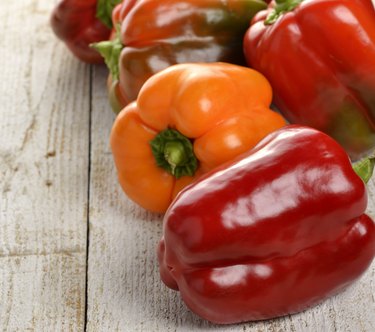
The vitamin C content of chili peppers provides over 400 percent of the daily value per 100-gram serving, but they also contain 5 grams of sugar. Yellow, orange and red peppers, in contrast, taste sweet, but they only contain 2.4 grams of sugar.
A Look at Bulbs
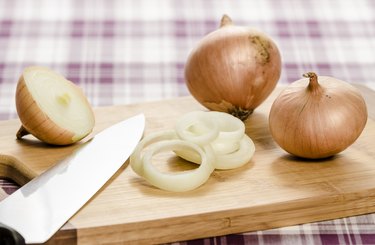
Onions have a reputation for being the most common vegetable on Earth. Their sugar content ranges from almost 4 grams to more than 5 grams of sugar. Green tops (4.95 grams) and sweet onions (5 grams) are among the varieties of onions to use in moderation due to their high sugar content.
Starchy Vegetables
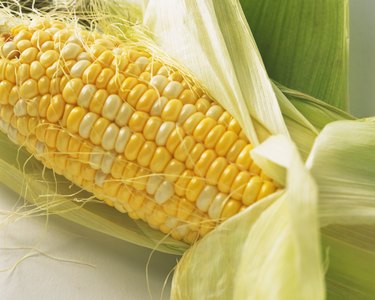
Starchy vegetables raise your blood sugar more than nonstarchy vegetables. Starchy vegetables are not bad for your health, but they generally contain more sugar than nonstarchy vegetables. The good news is that starchy vegetables contain fiber as well that will fill you up and make you feel fuller, longer. If you're counting carbs or you have diabetes, beware that these vegetables contain more sugar than leafy, green vegetables, which contain more water. Examples of starchy vegetables include peas, winter squash, potatoes and corn.
- Healthaliciousness.com: Vegetables
- Joybauer.com: Food Articles - Starchy Vegetables
- Healthaliciousness.com: Dehydrated Onion Flakes
- Healthaliciousness.com: Onions
- American Heart Association: What Is a Serving?
- Healthaliciousness: Chili Peppers
- Healthaliciousness: Bell Peppers
- Healthaliciousness: Nutrient Ranking Tool of Sugar to Sugar Ratio in Vegetables
- Healthaliciousness: Rutabaga
- Healthaliciousness: Raw Radishes vs. Dried Radishes
- Harvard Health Publications: Glycemic Index for Over 100 Foods