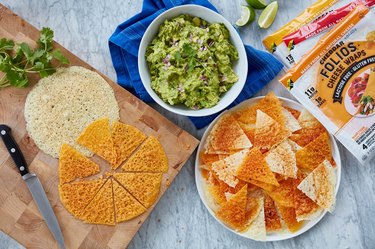
Everyone can apply some facets of low-carb eating to their daily meal plans. After all, many inherently "low-carb" foods are those that come from whole-food sources, like cottage cheese, nuts and tuna.
So what qualifies as a "low-carb snack," anyway? "There is no legal, solid definition. Some people may look at low-carb dieting as eating less bread or only eating carbs from fruits and vegetables, says Bonnie Taub-Dix, RDN, author of Read It Before You Eat It: Taking You From Label to Table.
Video of the Day
Video of the Day
Ultimately, the best low-carb snacks (or nutritious snacks in general) have the perfect trifecta of protein, fat and a bit of carbs. "This powerful combo allows you to slowly digest the food: first the carbs, then protein and fat. This keeps you satiated longer and prevents dips in blood sugar," Taub-Dix says.
But if you're looking for some baselines, Marina Savelyeva, RD, author of the Easy Gastric Sleeve Bariatric Cookbook: 100 Recipes for Healing and Sustainable Weight Loss, says low-carb snacks generally have no more than 15 grams of carbs and 5 grams of sugar.
Instead of focusing on counting carbs in a snack, think about the quality: "These carbs should come from high-quality food sources, like whole grains and fruits, and provide antioxidants and fiber," Savelyeva says. Try the best low-carb snacks below — they're all recommended by dietitians.
1. Savoritz Parmesan Crisps
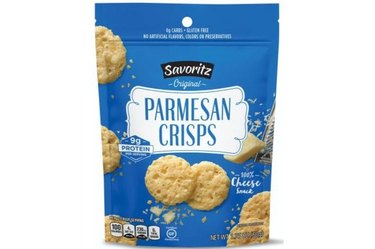
Per 12-crisp serving: 100 calories, 7 grams fat (4.5 grams saturated fat), 0 grams carbohydrates (1 gram fiber, 0 grams sugar, 0 grams added sugar), 230 milligrams sodium, 9 grams protein
These cheesy, zero-carb snacks are a crunchy and savory alternative to potato chips and crackers. The ingredients don't get any simpler than aged Parmesan cheese that's been baked in small batches. Dietitian and certified personal trainer Nicole Rodriguez, RDN, likes to crush a couple of them as a topping on salads or enjoy them as is.
"While their flavor is downright crave-worthy, these airy, half-dollar-sized cheese rounds also pack 9 grams of protein her serving," she says. In addition to salad toppings, you can use these cheese crisps in place of breading or seasoning for chicken breasts, zucchini fries, casserole or baked pasta dishes and homemade meatballs.
Buy it: Amazon; Price: $8.99
2. Olive Oil Tuna and Barilla Sun-Dried Tomato Pesto
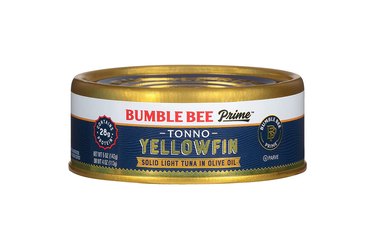
- Per 2 oz. Bumble Bee Tonno in Olive Oil, drained: 110 calories, 5 grams fat (1 gram saturated fat), 0 grams carbohydrates, 220 milligrams sodium, 15 grams protein
- Per 1/4-cup Rao's Pesto: 160 calories, 6 grams fat (2 grams saturated fat), 8 grams carbohydrates (3 grams fiber, 5 grams sugar, 4 grams added sugar), 680 milligrams sodium, 5 grams protein
For a quick savory snack made with pantry items, Savelyeva likes to cut up cucumber or radish slices (which you can roast in the oven with some olive oil) and top them with tuna and sun-dried tomato pesto.
She usually goes for tuna in olive oil, like this one from Bumble Bee, for its healthy fats and flavor. But instead of mixing it with mayo, she likes pesto. If you prefer something creamy, try cucumber slices with cream cheese, lox and fresh dill.
Buy It
3. Muuna Low-Fat Plain Cottage Cheese With Sunbutter
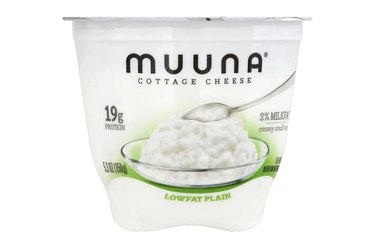
- Per container Muuna Plain Low-Fat Cottage Cheese: 120 calories, 3 grams fat (2 grams saturated fat), 4 grams carbohydrates (0 grams fiber, 4 grams sugar), 460 milligrams sodium, 19 grams protein
- Per 2 tbsp. Sunbutter: 210 calories, 18 grams fat (1.5 grams saturated fat), 5 grams carbohydrates (3 grams fiber, 0 grams sugar), 130 milligrams sodium, 7 grams protein
Before you knock cottage cheese as a dated low-carb snack, know that brands have re-invented their spreadable cheese so it's not as salty but just as flavorful. In fact, cottage cheese is so versatile that you can turn it into a sweet or savory nosh with just a few spices or a couple of fruits.
Savelyeva likes Muuna's plain cottage cheese for its mild flavor and she dresses it up with zero-added-sugar jam and SunButter No-Sugar-Added sunflower seed butter. "Cottage cheese comes in different styles, including European and Russian styles, so find one you like best. Good Culture and Lifeway Farmer Cheese are other great brands that have less sugar. They also have probiotics," she says.
Buy It
- Muuna Low-Fat Plain Cottage Cheese ($1.89 on Instacart)
- SunButter No-Sugar-Added Sunflower Butter ($5.99 on Thrive Market)
4. Hilo Life Piece-A-Pizza Snack Mix
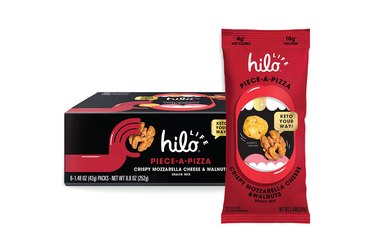
Per package: 250 calories, 21 grams fat (4.5 grams saturated fat), 6 grams carbohydrates (2 grams fiber, 1 gram sugar, 0 grams added sugar), 220 milligrams sodium, 10 grams protein
As delicious as some low-carb snacks are, sometimes, they just don't stack up to eating something bready and crispy. Enter Hilo Life's snack mixes. These crunchy nuggets of mozzarella cheese and walnuts are seasoned with mouthwatering spices, like garlic powder, onion powder and tomato powder, for that pizza flavor you've been craving.
You'll get 10 grams of protein and only 4 grams of net carbs in one serving, so you'll feel satiated until your next meal. Not in the mood for a slice? Hilo Life comes in Ranch and Cheesy snack mixes, too.
Buy it: Amazon; Price: $14.98 per pack of 6
5. Nature's Garden Keto Snack Mix
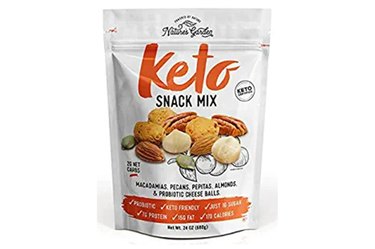
Per 1-ounce serving: 170 calories, 15 grams fat (2.5 grams saturated fat), 4 grams carbohydrates (2 grams fiber, <1 gram sugar), 55 milligrams sodium, 7 grams protein
Think of this nuts-and-cheese snack mix as the equivalent of Chex mix — just without the actual cereal pretzels and rye crisps. You won't miss out on the crunch because it's packed with cheddar cheese puffs, almonds, pepitas, pecans and macadamia nuts.
In addition to the filling protein and fiber you'll get from the nuts, it provides a dose of probiotics for the gut. Separate portions into individual sandwich bags or sprinkle some over a salad, cottage cheese or Greek yogurt for a savory snack.
Buy it: Amazon; Price: $22.50 per 24-ounce bag
6. KIND Maple Glazed Pecan & Sea Salt Bar
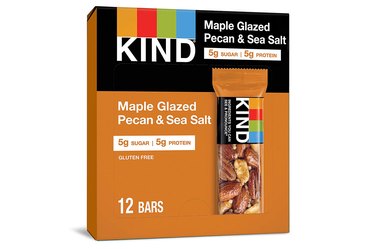
Per bar: 200 calories, 17 grams fat (1.5 grams saturated fat), 14 grams carbohydrates (5 grams fiber, 5 grams sugar, 3 grams added sugar), 5 grams protein
Instead of reaching for a candy bar from the vending machine, satisfy your hankering for a sweet-salty treat with a fiber-rich bar, such as KIND. They're an excellent on-the-go snack that you can easily stash in your glove compartment, desk drawer or gym bag.
"What I love about these bars is that they're in a transparent wrapper, so you can tell exactly what's in them. You can point to the nuts and fruit, and they have the perfect trifecta of protein, carbs and fat," Taub-Dix says. "They only have 5 to 6 grams of sugar and provide fiber and protein."
Buy it: Amazon; Price: $14.22 per pack of 12
7. EPIC Bison Bacon Cranberry Bars
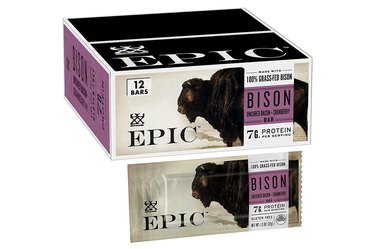
Per bar: 130 calories, 8 grams fat (3 grams saturated fat), 8 grams carbohydrates (1 gram fiber, 6 grams sugar), 320 milligrams sodium, 7 grams protein
Beef jerky lovers will enjoy the flavorful, meaty-yet-soft texture of these bison bars. EPIC products are made with high-quality meats that are 100-percent grass-fed and Certified Gluten-Free. Plus, they don't contain any added nitrates or nitrites.
Savelyeva likes the bison bars because they aren't as mass-produced as chicken and beef, and they have chunks of dried cranberries to add a naturally sweet flavor.
Buy it: Amazon; Price: $25.99 per pack of 12
8. Folio's Cheddar Cheese Wraps
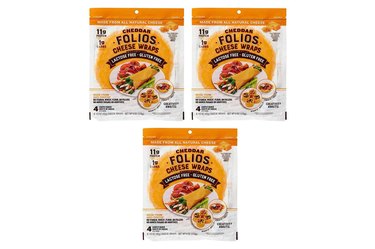
Per wrap: 180 calories, 13 grams fat (8 grams saturated fat), 0 grams carbohydrates (0 grams fiber, 0 grams sugar), 330 milligrams sodium, 12 grams protein
Deli meat roll-ups are delicious, but they can get boring on a low-carb diet, and they aren't as satisfying as a sandwich or wrap. These cheese wraps make a heartier low-carb snack, which you can enjoy with turkey, tuna, chicken and your choice of veggies. Choose from Cheddar, Parmesan and Jarlsberg.
"One wrap contains 12 grams of protein and no carbs. You can bake it in the oven for about five minutes and break it up into smaller pieces. Combine them with nuts and seeds and store it in a container for a few days," Savelyeva says. Aside from this upgraded trail mix, you can also dip the pieces into hummus, guacamole or salsa.
Buy it: Amazon; Price: $29.99 per pack of 3
9. Wonderful Lightly Salted Pistachios
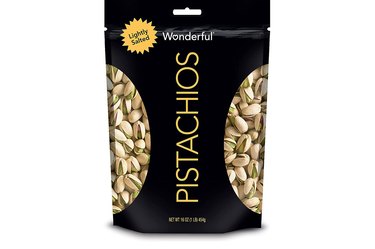
Per 1/2-cup serving: 150 calories, 13 grams fat (1.5 grams saturated fat), 8 grams carbohydrates (3 grams fiber, 2 grams sugar, 0 grams added sugar), 65 milligrams sodium, 6 grams protein
Pistachios take a little work to enjoy, but they're worth it for their high-protein, healthy fat and low-carb content. Eat them as is or roughly chop them to sprinkle over a bowl of low-fat cottage cheese or Greek yogurt.
You can also prepare your own trail mix, combining them with almonds, pecans, walnuts, peanuts, cacao nibs and unsweetened dried fruit.
Buy it: Amazon; Price: $7.19
10. Avocado With Hemp Seeds
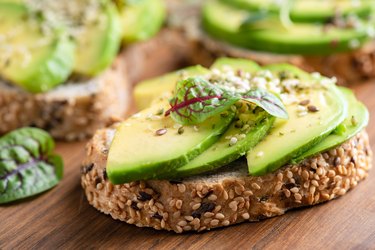
Rachel Kelley, RD, LD, a dietitian at Culina Health, recommends enjoying half of an avocado sprinkled with a tablespoon of hemp seeds and everything-but-the-bagel seasoning for a deliciously savory and creamy snack.
"I'm a huge fan of the cult favorite, everything-but-the-bagel seasoning as well as spices like onion powder, garlic powder and paprika," Kelley says.
If you're not a fan of everything-but-the-bagel seasoning, Kelley suggests drizzling your avocado with a balsamic glaze or a tahini and lemon juice mixture.
11. Snacklins
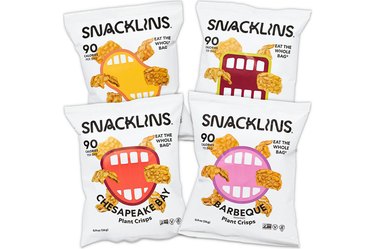
- Per 1 ounce Snacklins Barbecue Crisps: 100 calories, 4.5 grams fat (0 g saturated fat), 16 grams carbohydrates (0 grams fiber, 0 grams sugar, 0 grams added sugar), 95 milligrams sodium, 0 grams protein
- Per 2 Tbsp. Primal Kitchen Buffalo Ranch Dip: 120 calories, 12 grams fat (1.5 grams saturated fat), 2 grams carbohydrates (0 grams fiber, 0 grams sugar, 0 grams added sugar), 310 milligrams sodium, 0 grams protein
Snacklins are the meat-free alternative to pork rinds that are made of yuca — a root vegetable native to South America — as well as mushrooms and onions. They come in mouthwatering flavors, like barbecue, Chesapeake Bay (a spice-forward seasoning from the Mid-Atlantic), nacho, teriyaki and cinnamon churro.
A serving of these crispy treats clocks in around 16 grams of carbs. Kelley likes to dip them in two tablespoons of Primal Kitchen's buffalo ranch dip.
Buy It
- Snacklins: $26.00 per pack of 12 on Amazon
- Primal Kitchen Buffalo Ranch Dip: $6.99 on Thrive Market
12. Biena Sea Salt Roasted Chickpeas
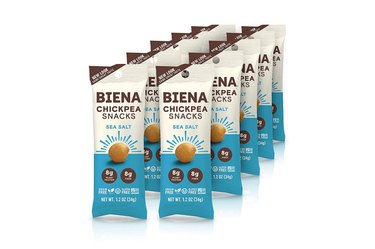
Per 1-ounce serving: 120 calories, 6 grams fat (0.5 grams saturated fat), 15 grams carbohydrates (6 grams fiber, <1 gram sugar, 0 grams added sugar), 190 milligrams sodium, 6 grams protein
Recommended by Kelley, Biena's roasted chickpea snacks come in handy when you've got a hankering for something tasty and crunchy. They have 6 grams of plant-based protein and fiber, so you'll stay satisfied for longer periods of time.
Buy it: Amazon; Price: $17.12 per pack of 10
13. Trail Mix With Seasoned Nuts and Seeds
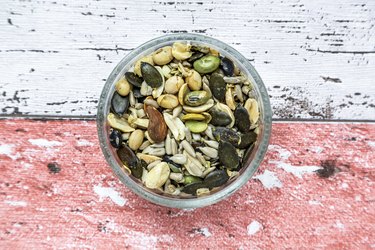
Both Kelley and Noa Emert, RD, CPT, like combining a variety of nuts and seeds, like roasted pistachios, cashews and pumpkin seed, for their satiating healthy fats. Enjoy a quarter cup and season them with your preferred spices and seasonings.
14. Justin's Classic Almond Butter With Celery Sticks
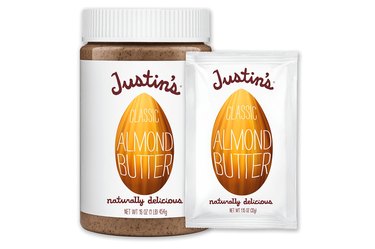
Per 2 tbsp. of Justin's: 220 calories, 19 grams fat (3 grams saturated fat), 5 grams carbohydrates (3 grams fiber, 1 gram sugar, 0 grams added sugar), 10 milligrams sodium, 6 grams protein
If you're looking for a quick, on-the-go snack option, Kelley likes combining a packet of Justin's classic almond butter with a cup of celery sticks. It provides filling healthy fats and fiber to help stave off hunger and cravings.
Buy it: Amazon; Price: $11.90 per pack of 10
15. Nonfat Greek Yogurt
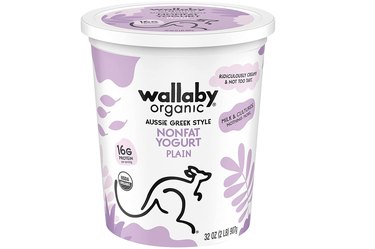
Per 3/4 cup Wallaby Aussie Greek-style yogurt: 100 calories, 0 grams fat (0 grams saturated fat), 8 grams carbohydrates (0 grams fiber, 5 grams sugar, 0 grams added sugar), 65 milligrams sodium, 16 grams protein
Greek yogurt is a low-carb staple for many dietitians, and for good reason. "It's a rich source of calcium, which is good for your bones, high in quality protein for your muscles, and has probiotics for a healthy gut," says Amber Trejo, RDN.
Trejo jazzes up a 3/4-cup of non-fat Greek yogurt with crushed nuts and a dash of cinnamon.
Buy it: Amazon; Price: $6.99 per 32-ounce container
16. Peckish Hard-Boiled Eggs
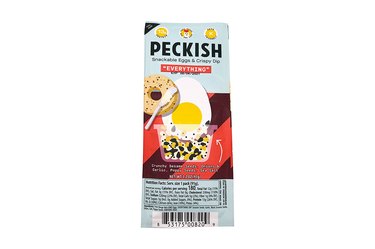
Per pack of Peckish Everything Eggs: 180 calories, 12 grams fat (3 grams saturated fat), 5 grams carbohydrates (1 gram fiber, 1 gram sugar, 0 grams added sugar), 520 milligrams sodium, 13 grams protein
Frances Largeman-Roth, RDN, nutrition expert and author of Smoothies & Juices: Prevention Healing Kitchen, recommends Peckish, which are pre-made, hard-boiled eggs with special seasonings, like everything bagel, ranch and fried rice.
"I like their everything bagel eggs and crispy dip. Each pack contains two hard-boiled eggs, which supply 13 grams of protein, and the seasoning. The whole package has just 5 grams of carbs and 0 grams of added sugar," Largeman-Roth says.
Buy it: Whole Foods; Price: $3.69
17. Lettuce and Salmon Boats
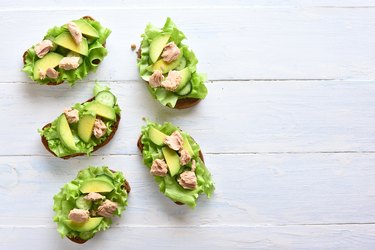
Per 3-ounce serving of Wild Planet Pink Salmon: 90 calories, 2 grams fat (0 grams saturated fat), 0 grams carbohydrates (0 grams fiber, 0 grams added sugar), 200 milligrams sodium, 18 grams protein
This sandwich-inspired snack idea swaps out the bread for a crisp leaf of Romaine lettuce with some canned salmon.
"It makes a very quick, easy and nutritious snack to take the edge off. Romaine lettuce is hydrating, high in vitamin A and is a good source of folate," Trejo says. "Canned salmon is a quick protein source that is rich in omega-3 fatty acids EPA and DHA, which are essential for brain health."
Buy it: Amazon; Price: $3.49
18. Carrots and Peanut Butter
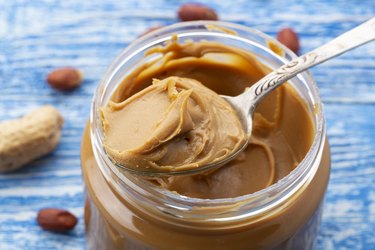
Craving some salty, sweet and crunchy? Consider this snack combo. Carrots impart a natural sweetness and some crunch, while creamy peanut butter has a bit of salt. Carrots are a great source of beta-carotene and a good source of vitamin K, which is important for bone health and clotting, Trejo says.
"If you are someone who uses a salt-free peanut butter, try adding a small dash of sea salt to enhance the flavor profile," she says.
19. Almond Milk Smoothie

You might not think of a glass of unsweetened almond milk as a snack, but it can be blended with a mix of low-carb fruits, like strawberries, and a high-quality protein powder for a delicious snack you can mix at home.
"Almond milk is a great source of the antioxidant vitamin E, which is great for your skin. It also provides some calcium and vitamin D," Trejo says.
20. Applegate Organics Genoa Salami
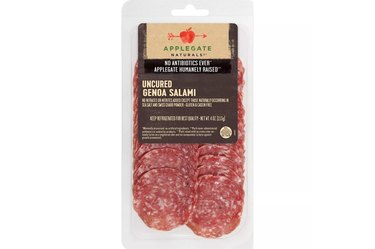
Per 1-ounce serving: 100 calories, 7 grams fat (3 grams saturated fat), 1 gram carbohydrate (0 grams fiber, 0 grams sugar, 0 grams added sugar), 420 milligrams sodium, 7 grams protein
Largeman-Roth likes adding this low-carb snack to a snack tray or charcuterie board. Enjoy it as is, or roll it up with veggie sticks or cheese.
"You can enjoy about six slices for just 100 calories, zero sugar and only 1 gram of carbohydrates. Plus, you get 7 grams of protein per serving. It's made with no artificial ingredients or preservatives, and is raised humanely with no antibiotics," she says.
Buy it: Target; Price: $5.99
21. Walnuts
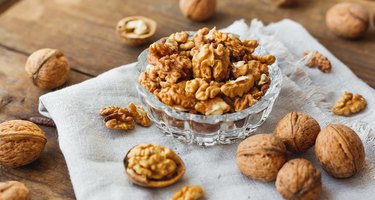
As we mentioned, nuts of any kind are a great low-carb snack option, but Largeman-Roth particularly likes walnuts because they're the only nut with an excellent source of omega-3 alpha-linolenic acid (ALA).
"The adequate intake of ALA for men is 1.6 grams per day and for women, it's 1.1 grams. In terms of carbs, a 1-ounce serving (about 14 walnut halves) has just 4 grams of carbs and 1 gram of naturally occurring sugar," Largeman-Roth explains.
22. Sargento String Cheese
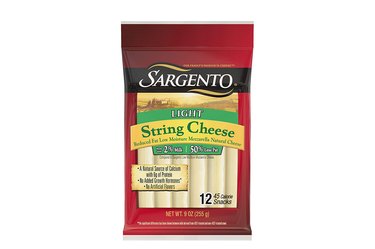
Per cheese stick: 45 calories, 2.5 grams fat (1.5 grams saturated fat), 0 grams carbohydrate (0 grams fiber, 0 grams sugar, 0 grams added sugar), 150 milligrams sodium, 6 grams protein
Cheese sticks aren't just for your kid's school lunch — they're also great for a mid-day snack because of their satiating power of protein and fat.
"I started snacking on organic cheese sticks during my first pregnancy to help me get more calcium (each one has 170 milligrams) when other dairy products made me feel nauseous. Twelve years later, and I'm still snacking on them," Largeman-Roth says.
Buy it: Amazon; Price: $6.49 per pack
23. Moku Mushroom Jerky
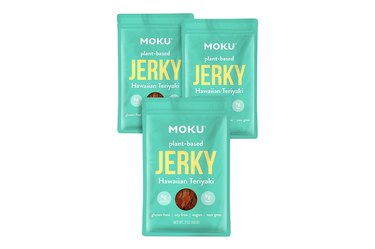
Per 1 ounce of Hawaiian Teriyaki: 110 calories, 4.5 grams fat (0 grams saturated fat),15 grams carbohydrates (5 grams fiber, 3 grams sugar, 0 grams added sugar), 220 milligrams sodium, 3 grams protein
Finally, a jerky that vegetarians and vegans can enjoy! Moku's jerky is made of king oyster mushrooms, tomato paste, pineapple, chickpeas and coconut and comes in taste-tempting flavors, like Hawaiian Teriyaki, Sweet & Spicy and the original, which has cracked black pepper, onion and garlic.
"I love that I can enjoy a serving of mushroom-based Moku jerky — I like the teriyaki flavor — for just 15 grams of carbs and 3 grams of sugar. Plus, each serving offers 220 milligrams of potassium, which perfectly balances out the 220 milligrams of sodium in each serving," Largeman-Roth says.
Buy it: Amazon; Price: $21 per pack of 3
24. Turkey and Cheese Roll-Ups
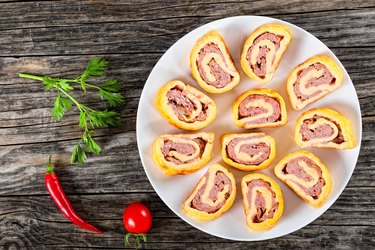
Emmert likes this snack combo for an easy, filling snack, and they're portable for the road. Just be sure to look for deli meats that are lower in sodium and don't have preservatives by reading the nutrition label and ingredients list.
"You can always add some avocado to make them even more filling," Emmert says.
25. Celery and Hummus
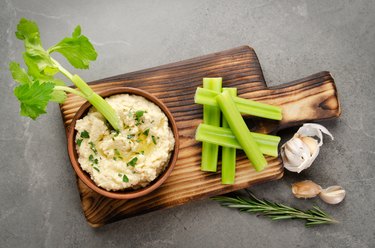
This is one of Emmert's favorite low-carb snacks because there are many different flavors of hummus available, so you can switch things up easily. You can also make your own at home with a can of chickpeas, some lemon juice, garlic, tahini and extra-virgin olive oil.
Related Reading