Glycemic Load Food List
The glycemic load (GL) is based on the glycemic index (GI), which is a numerical rating that compares the effect of different carbohydrates on your blood sugar levels. Unlike the GI formula, the GL formula takes into consideration the typical serving size of each type of food and the amount of carbohydrates in that serving. That is why GL values are considered more realistic than GI values. They are more precise in terms of the amount of food you would normally be expected to eat. The Harvard School of Public Health classifies foods as having low, medium or high GL, and recommends eating mostly foods that have a low and medium GL. Foods with high GL values will raise your blood sugar faster and higher than those with low GL values.
Low GL Foods
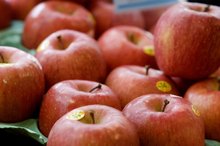
Low GL foods have a GL rating of 10 or under, as classified by the Harvard School of Public Health. These foods include most high-fiber vegetables and fruits, bran and bran cereals, and legumes such as kidney beans, garbanzo beans (chick peas), pinto beans, black beans and lentils. Different varieties of similar low GL foods may have different GL values, depending on the specific type, source, ripeness and preparation method. For instance, the GL for apples ranges from 4 to 6; for oranges, it is from 3 to 6; for carrots, from 1 to 6; whole-grain breads from 5 to 10 and legumes from 4 to 10.
Medium GL Foods
Low-Glycemic Foods List
Learn More
Foods with a medium GL have a rating between 11 and 19. These include pearled barley, bulgur, oatmeal, some grain products such as breads and whole-grain pasta, some fruits and natural fruit juices with no added sweeteners. Specific examples of medium GL foods include bananas and honey, both of which range from 11 to 16 on the GL scale, plain chocolate with a typical GL of 13 or 14 and ready-to-eat cereals ranging from 12 to 19. Many commercially prepared shake and smoothie-style drinks and other beverages have GL values in the teens. There is some overlap among low, medium and high GL foods, depending on the ingredients used to make them.
High GL Foods
High GL foods have a GL value of 20 or higher. Candies, rice, pasta, most baked goods made with white flour, and cereals made with refined grains are all high-GL foods. The GL for most common types of pasta ranges from 20 to 29, depending on the type of wheat and other ingredients used. Pastas made with rice or corn flours tend to range even higher. Although some varieties of potatoes have a GL value less than 20, most potatoes are high GL foods with values of 20 or higher. White, brown and scented varieties of rice have GL values ranging from the low 20s to 40 and above. Commercially prepared, high GL foods such as cakes, pancakes, sweetened ready-to-eat cereals, breaded food products and sweetened beverages have widely varying GL values because they are prepared with many different ingredients.
Related Articles
Low-Glycemic Foods List
Learn More

List of Foods With Fast Carbs
Learn More
Rice and Potatoes on the Glycemic Index
Learn More
Nectarines and the Glycemic Index
Learn More

Foods Containing Sucrose
Learn More
Can Carrots Raise Your Blood Sugar?
Learn More
List of Food Carb Values
Learn More
List of Grains With Low GI
Learn More

Does Orange Juice Raise Blood Sugar Levels?
Learn More
Glycemic Index for Grains
Learn More
References
Resources
Writer Bio
Molly McAdams is a writer who lives in New York City. She has covered health and lifestyle for various print and online publishers since 1989. She holds a Master of Science degree in nutrition.