
The Best Foods Before Running 800 Meters
A successful 800-meter race requires a lot more than just the 90 to 120 seconds you see during competition. Training includes long runs, interval workouts, cross training and weight training -- with five to six days of training and double workouts on some days. Training should also feature optimal nutrition; it gives you an opportunity to figure out what works best for you before a hard effort. What you eat before a training session should be similar to what you eat before a competition.
When to Eat
Finish any large meal two to four hours before you run. Eating too close to the event means you may not have fully digested your food and could suffer stomach upset or poor performance because your body is focused on digestion and absorption. On the other hand, if you finish your meal more than four hours before the 800, you could end up feeling hungry and underfueled.
Carbohydrate Emphasis
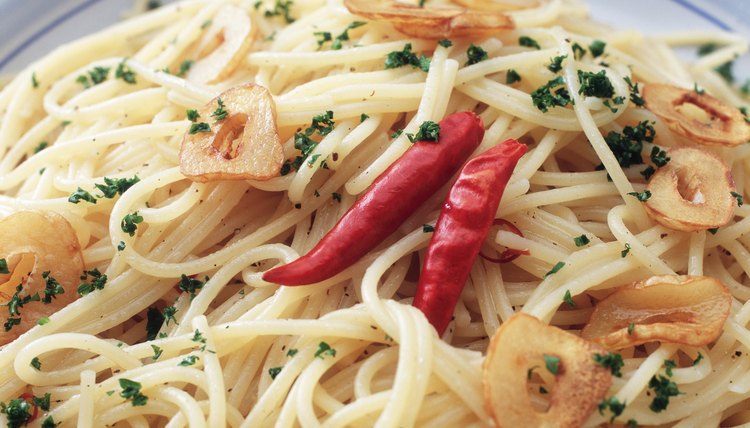
Seek out foods high in carbohydrates, as these will provide you with energy. Breakfast cereal, oatmeal, pancakes, pasta and bagels are examples of carbohydrate-rich, prerace foods. Keep serving sizes moderate -- larger meals take longer to digest. Optimally, your pre-800-meter meal will not contain more than 600 to 1,000 calories. Examples of appropriate meals include a turkey sandwich with grapes and a sports drink; toast with peanut butter and honey and a glass of milk; or a bowl of oatmeal with walnuts, banana, maple syrup and milk. If you're nervous or find that solid foods don't sit well prior to a competition, opt for liquid nutrition. A smoothie made with yogurt and fresh fruit, for example, will fill your glycogen, or energy, stores and is readily digested. If you feel hungry in the 30 to 60 minutes before you run, have a sports gel, a slice of toast with jam or a sports drink.
Foods to Avoid
A small amount of protein and fat may be included in your prerace meal, such as peanut butter on toast or an ounce or two of meat in a sandwich, but keep these nutrients to a minimum. They take longer to digest and convert into energy. Also, avoid high-fiber foods since they are also harder to digest and may cause stomach distress. Highly spiced foods, such as chili, or gas-producing foods, including onions, broccoli and beans, should also be off the pre-event menu. You may end up with bloating and gas, which inhibit performance.
Between Heats
If you're racing multiple events or heats in one day, you may not have time to consume a full meal between them. In these cases, small, carbohydrate-rich snacks, such as fig bars, bananas, applesauce, raisins, energy bars and gels, sports drinks and pretzels, are optimal choices. They'll supply you with energy but digest quickly so you won't feel weighed down.
References
Writer Bio
Andrea Cespedes is a professionally trained chef who has focused studies in nutrition. With more than 20 years of experience in the fitness industry, she coaches cycling and running and teaches Pilates and yoga. She is an American Council on Exercise-certified personal trainer, RYT-200 and has degrees from Princeton and Columbia University.